
Both figures marked the highest levels recorded since FY2015, when Japan’s new regulatory standards came into effect following the Fukushima Daiichi accident.
In FY2025, TEPCO’s Kashiwazaki Kariwa-6 resumed operation after becoming the first ABWR (Advanced Boiling Water Reactor) to satisfy the new regulatory standards. The unit resumed power transmission on February 16, 2026, and commercial operation on April 16.
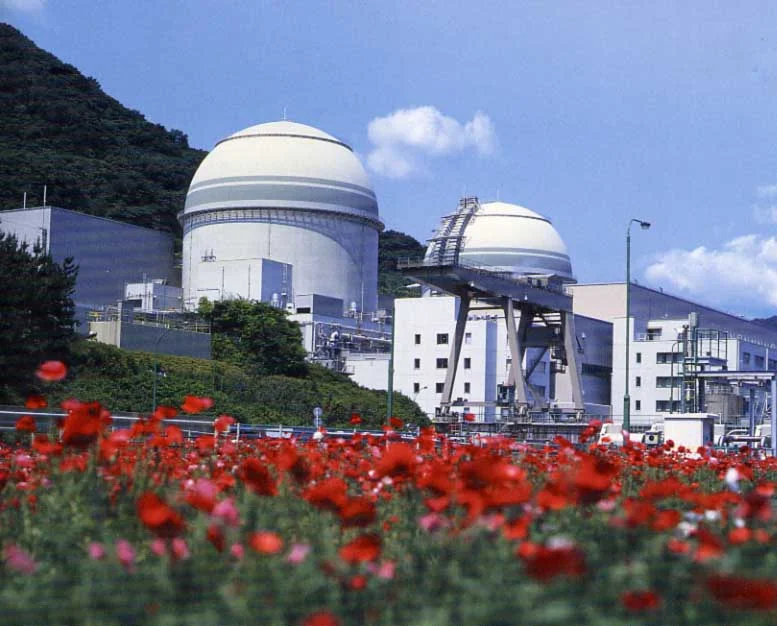
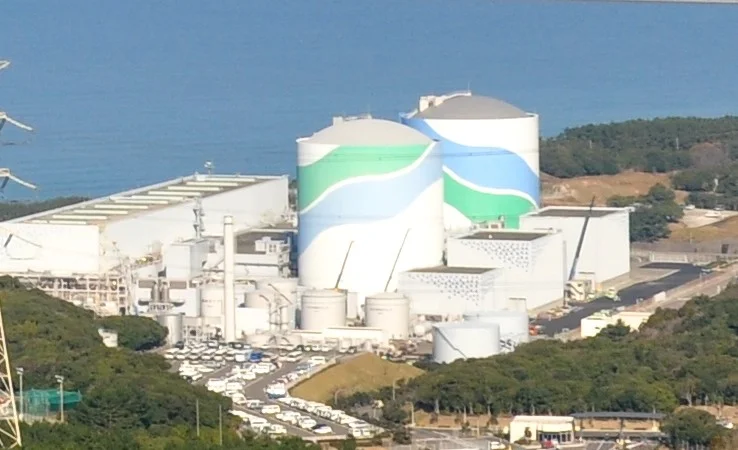
As a result, the number of restarted nuclear reactors in Japan reached 15 units with a combined capacity of 14.6 GW. These include Onagawa-2, Kashiwazaki Kariwa-6, Mihama -3, Takahama Units 1-4, Ohi Units 3-4, Shimane-2, Ikata-3, Genkai Units 3-4, and Sendai Units 1-2.
Including reactors that have not yet restarted, Japan’s nuclear fleet remained unchanged from the previous fiscal year at 33 units with a total capacity of 33.1 GW.
Among Japan’s long-term operating reactors, Takahama-2 reached 50 years of operation on November 14, 2025, becoming the second reactor in Japan — after Takahama-1 — to operate beyond 50 years. Sendai-2 also entered operation beyond 40 years in November 2025. As a result, the number of restarted reactors operating beyond 40 years reached six units.
In addition, new regulations on aging management for nuclear power plants under the GX Decarbonized Power Source Act came into effect on June 6, 2025.
The highest capacity factor in FY2025 was recorded at Ohi-4, which achieved 95.0%. Mihama-3 followed at 88.8%, while Shimane-2 recorded 87.9%. Excluding Kashiwazaki Kariwa-6, all operating nuclear power plants in Japan achieved capacity factors exceeding 70%.