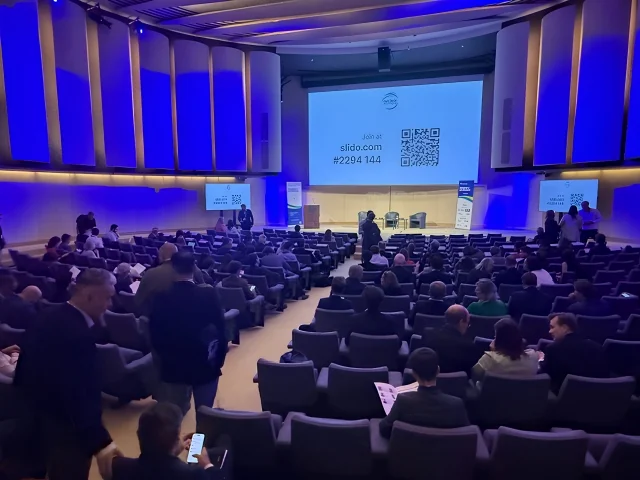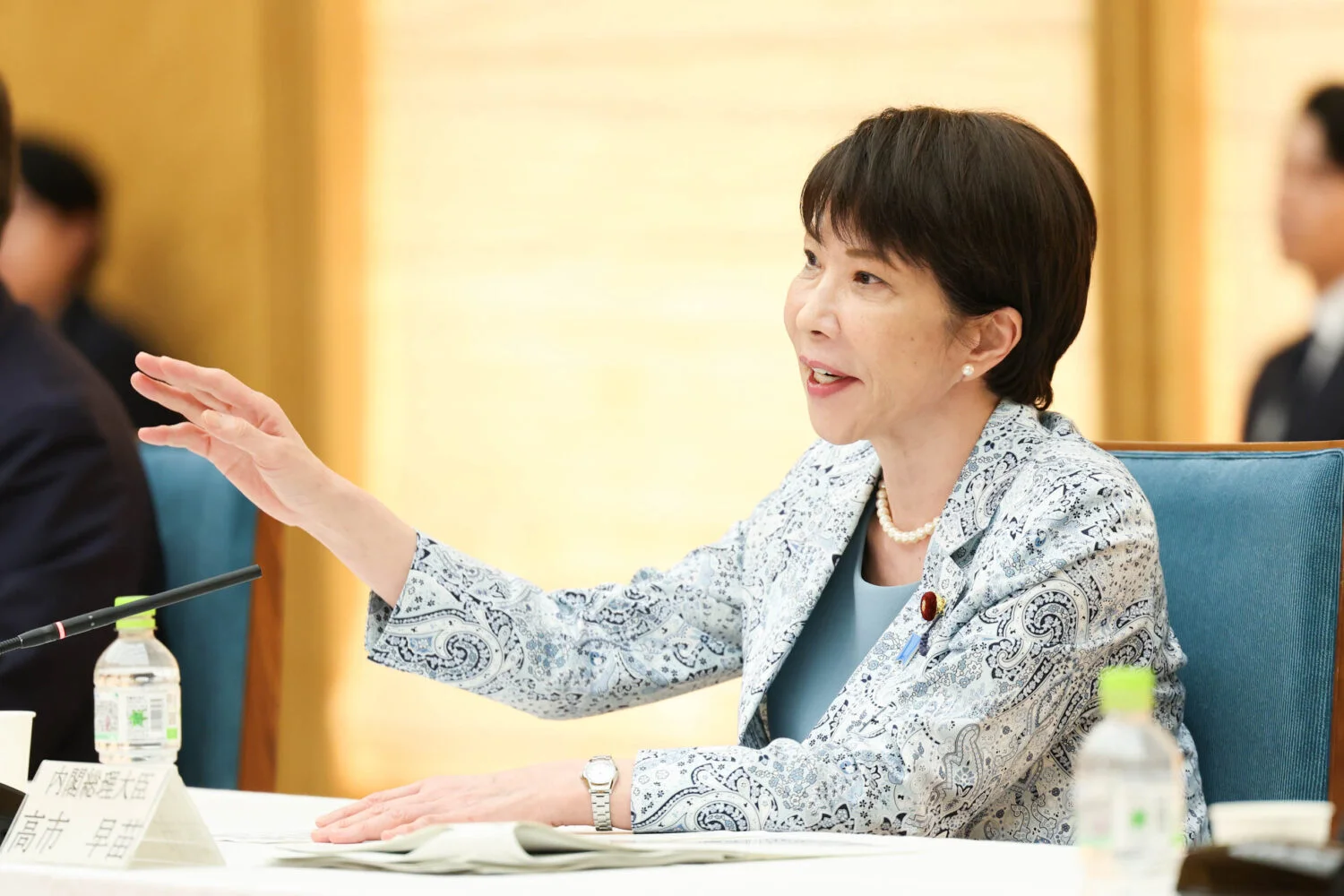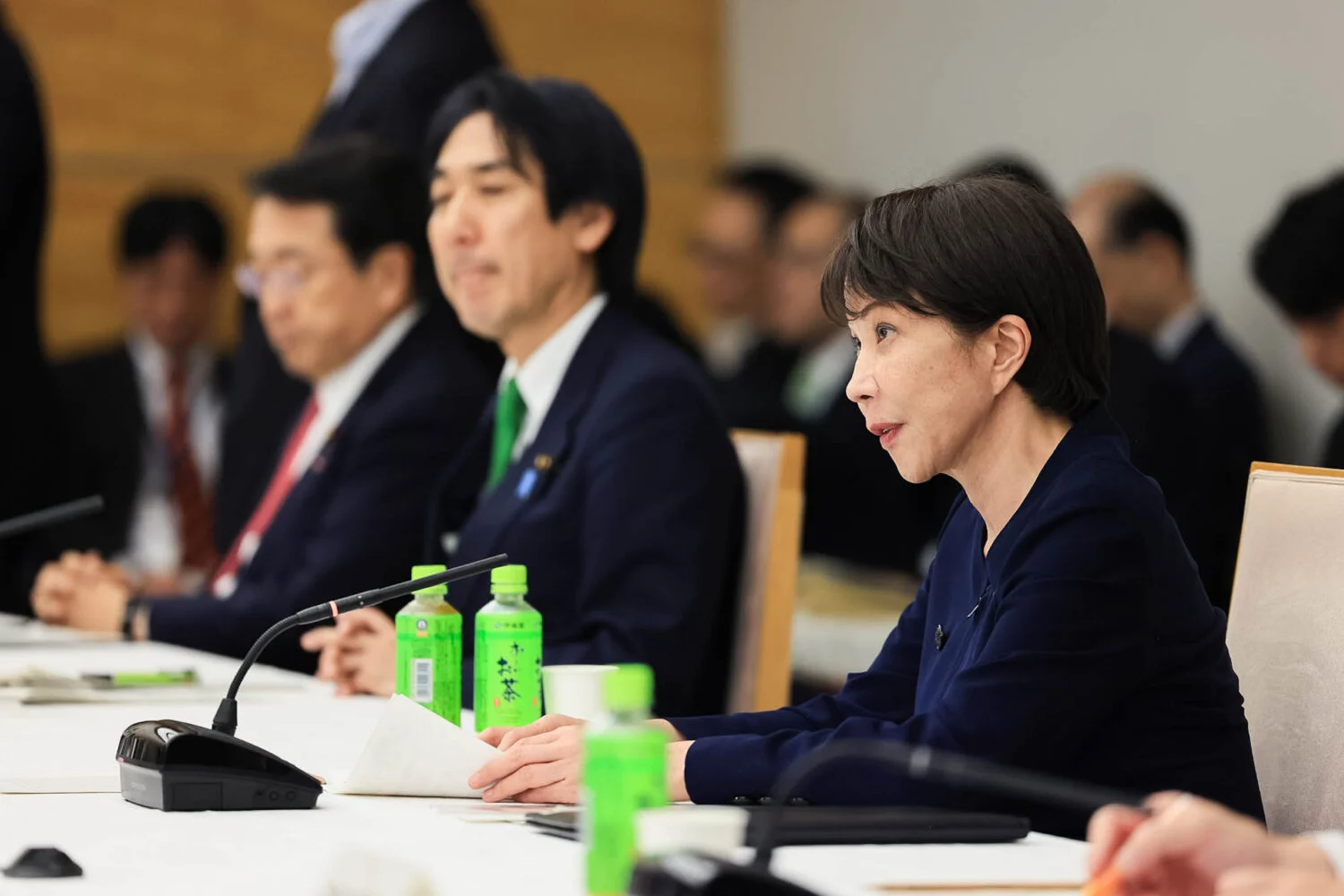

At what marked the final meeting of the fiscal year, the Cabinet Office first provided an update on the status of deliberations aimed at accelerating the practical realization of fusion energy.
Under the revised Fusion Energy Innovation Strategy, announced in June last year following its May revision, the government has set a goal of achieving fusion power generation in the 2030s ahead of the rest of the world. The strategy calls for the development of a backcasting-based roadmap—starting from an envisioned future and working backward to define necessary actions and priorities—while promoting innovation hubs such as the National Institutes for Quantum Science and Technology (QST) and fostering a fusion industry ecosystem.
The Working Group was also briefed on progress in compiling a “Roadmap for the Social Implementation of Fusion Energy,” prepared by a Cabinet Office task force. Participants stressed the importance of establishing a framework under which private companies can construct and operate commercial plants and generate revenue from power sales. In the near term, the government plans to accelerate foundational development through the Broader Approach (BA) activities and QST, while introducing a U.S.-style milestone-based support scheme for startups.
Regarding costs, the construction cost of a fusion demonstration plant was identified as a key challenge. Referring to U.S. benchmarks—less than USD 6 billion for a 50 MW-class plant—Japan aims to achieve internationally competitive cost levels.
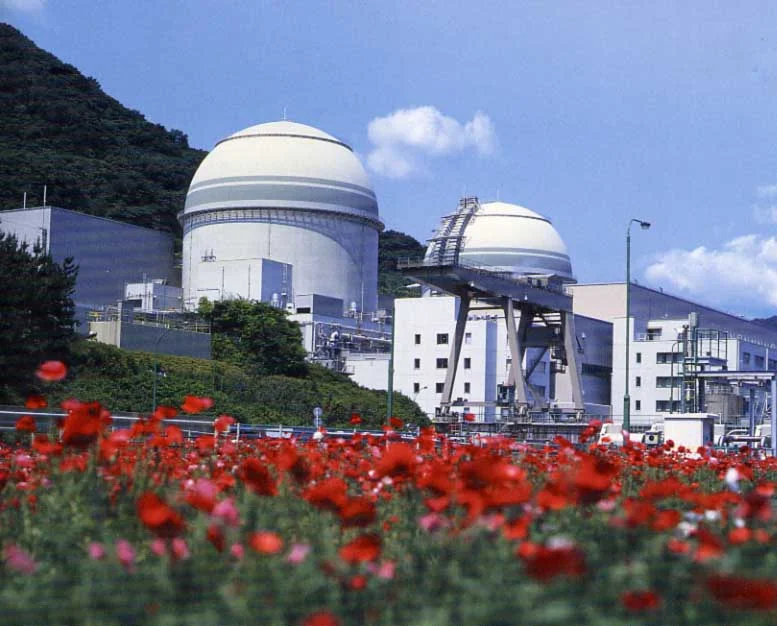
The Working Group then discussed an excerpted version of the draft Roadmap for Next-Generation Innovative Reactor Development, addressing challenges and future actions toward the social implementation of innovative light water reactors, small modular light water reactors (SMRs), fast reactors, and high-temperature gas-cooled reactors. Common cross-cutting issues identified across all reactor types included supply chains, human resources, and public understanding.
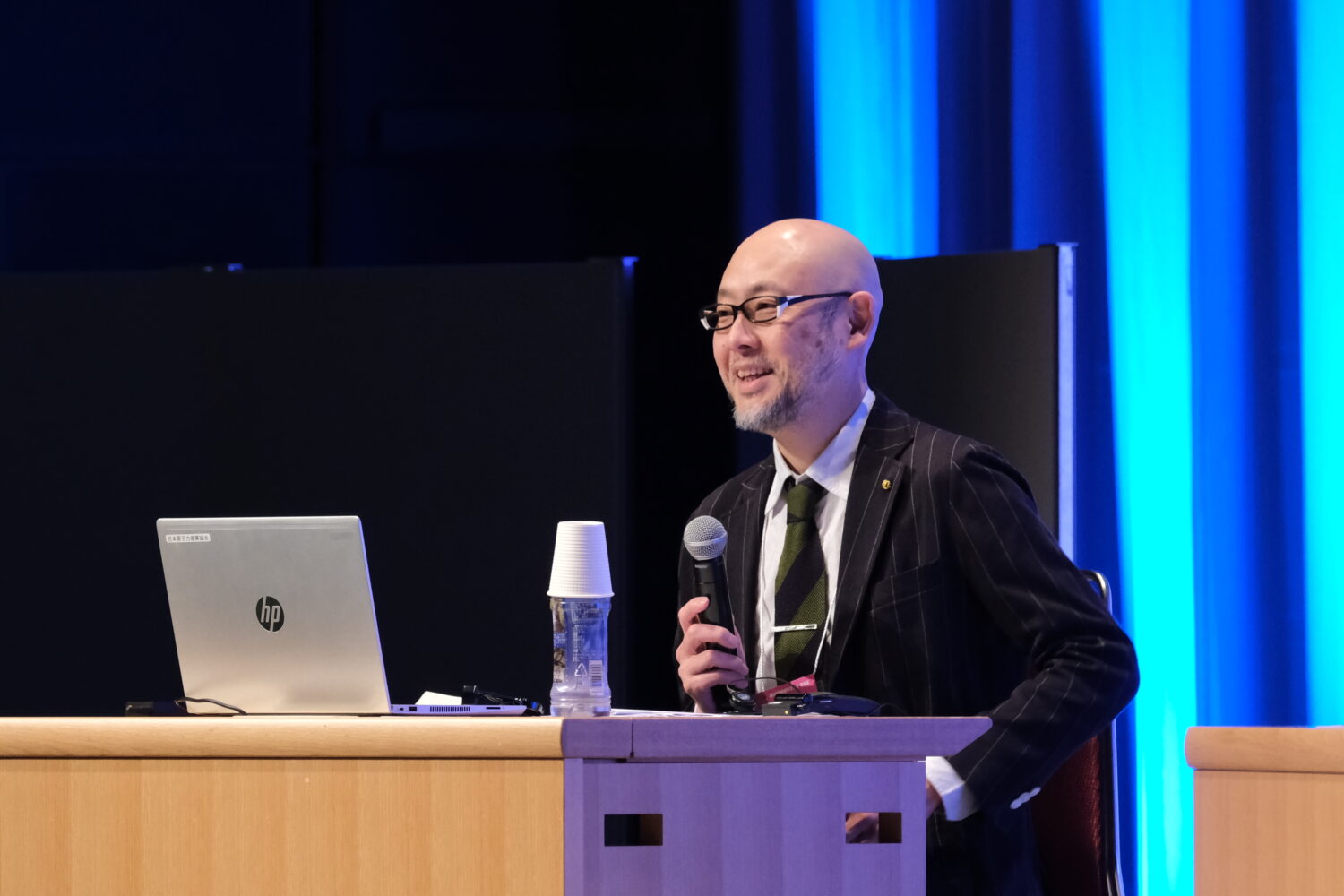
During the subsequent open discussion and Q&A session, various opinions were expressed by committee members. Representing industry, Expert Member OHNO Kaoru (Japan Atomic Industrial Forum, JAIF) welcomed the proposed roadmap, stating that it “properly reflects the voice of industry.” She then highlighted four key points regarding institutional frameworks and business environment development.
First, concerning innovative light water reactors, Ohno emphasized that in addition to government credit-backed loan programs, mechanisms ensuring predictability of investment recovery and rules to reasonably absorb risks arising from exogenous factors must be established prior to investment decisions by project developers. Regarding SMRs, she noted that when introduced as fleets, they face nuclear-specific business risks similar to those of innovative large light water reactors, and therefore called for comparable financing and investment recovery schemes. She further pointed out the need for a comprehensive review of the nuclear damage compensation system to enable diversified financing options. Such institutional arrangements, she stressed, should be completed in a timely manner, working backward from the targeted plant deployment schedule.
Second, on regulatory frameworks for SMRs, Ohno observed that while overseas projects are moving toward social implementation, regulatory predictability in Japan—particularly concerning the designation of PAZ (Precautionary Action Zones) and UPZ (Urgent Protective Action Planning Zones)—cannot yet be considered sufficient. To promote deployment, she argued that a framework should be established to examine regulatory approaches even before project developers are clearly identified.
Third, regarding fusion energy, Ohno noted that businesses based on new technologies inherently involve extremely high business risks. Under Japan’s liberalized electricity market, she argued that policy measures should first be examined from the perspective of industrial policy.
Finally, Ohno addressed challenges related to supply chains and human resources. Referring to discussions at the Nuclear Subcommittee last October, she noted that approximately 70% of companies reported difficulties in securing personnel. She reiterated the need for measures to address workforce shortages, particularly within supply chains that include many small and medium-sized enterprises.