
The tax will be levied on the storage of spent fuel at a rate of JPY 620 per kilogram. Annual tax revenue is expected to amount to approximately JPY 290 million. The tax will be imposed for a five-year period from FY2026 through FY2030.
With the consent of Tohoku Electric Power, the Onagawa Town Assembly approved an ordinance establishing the spent fuel tax by majority vote on December 25, 2025. The ordinance entered into force on May 20.
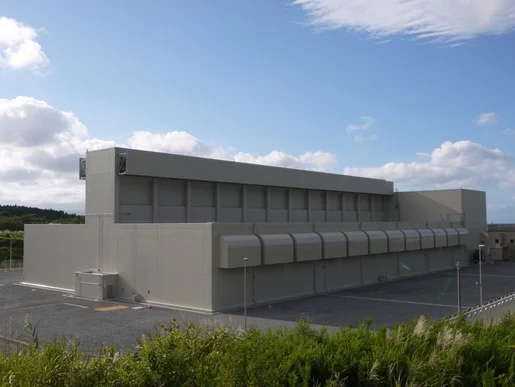
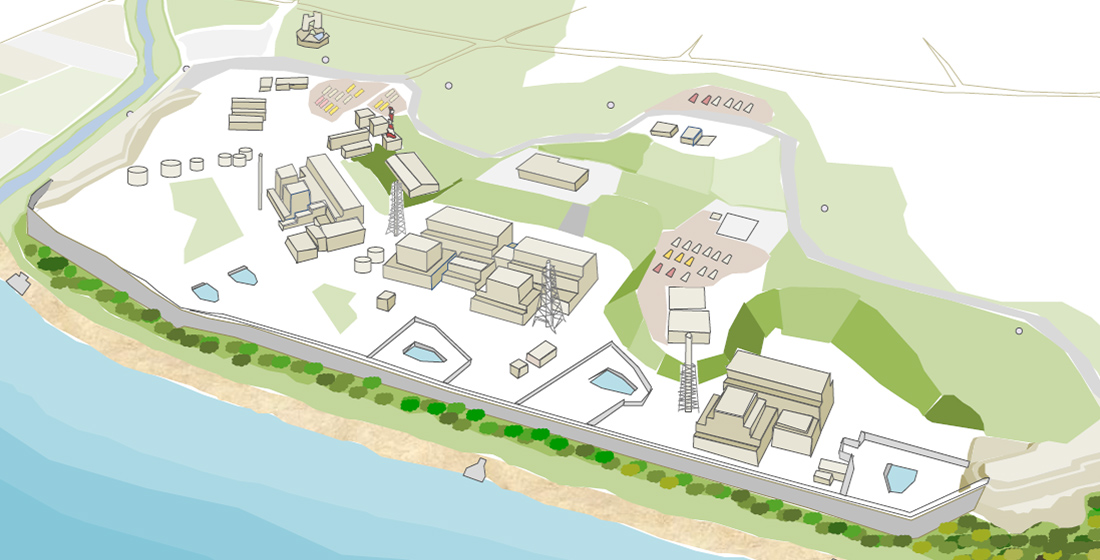
According to Tohoku Electric Power, as of the end of October 2025, the spent fuel pool at the Unit 2 reactor building of the Onagawa Nuclear Power Plants had exceeded a storage utilization rate of approximately 79%. The power company is currently proceeding with plans to construct a dry storage facility within the station site.
Municipalities that have already introduced spent fuel taxes include Kashiwazaki City in Niigata Prefecture, Ikata Town in Ehime Prefecture, Genkai Town in Saga Prefecture, Satsumasendai City in Kagoshima Prefecture, and Mutsu City in Aomori Prefecture. Onagawa Town thus becomes the sixth municipality in Japan to adopt such a tax. In addition, Ibaraki Prefecture also imposes a tax on the storage of spent nuclear fuel.
In Kashiwazaki City, revenue from the spent fuel tax totaled JPY 660.84 million in FY2020, covering approximately 27% of the city’s total project expenditures of JPY 2.41 billion.
Meanwhile, during a general question session of the Omaezaki City Assembly in Shizuoka Prefecture on March 5, Mayor SHIMOMURA Masaru was asked about the possibility of introducing a spent fuel tax. He responded that the city would continue research and study on the issue and determine its future direction accordingly.