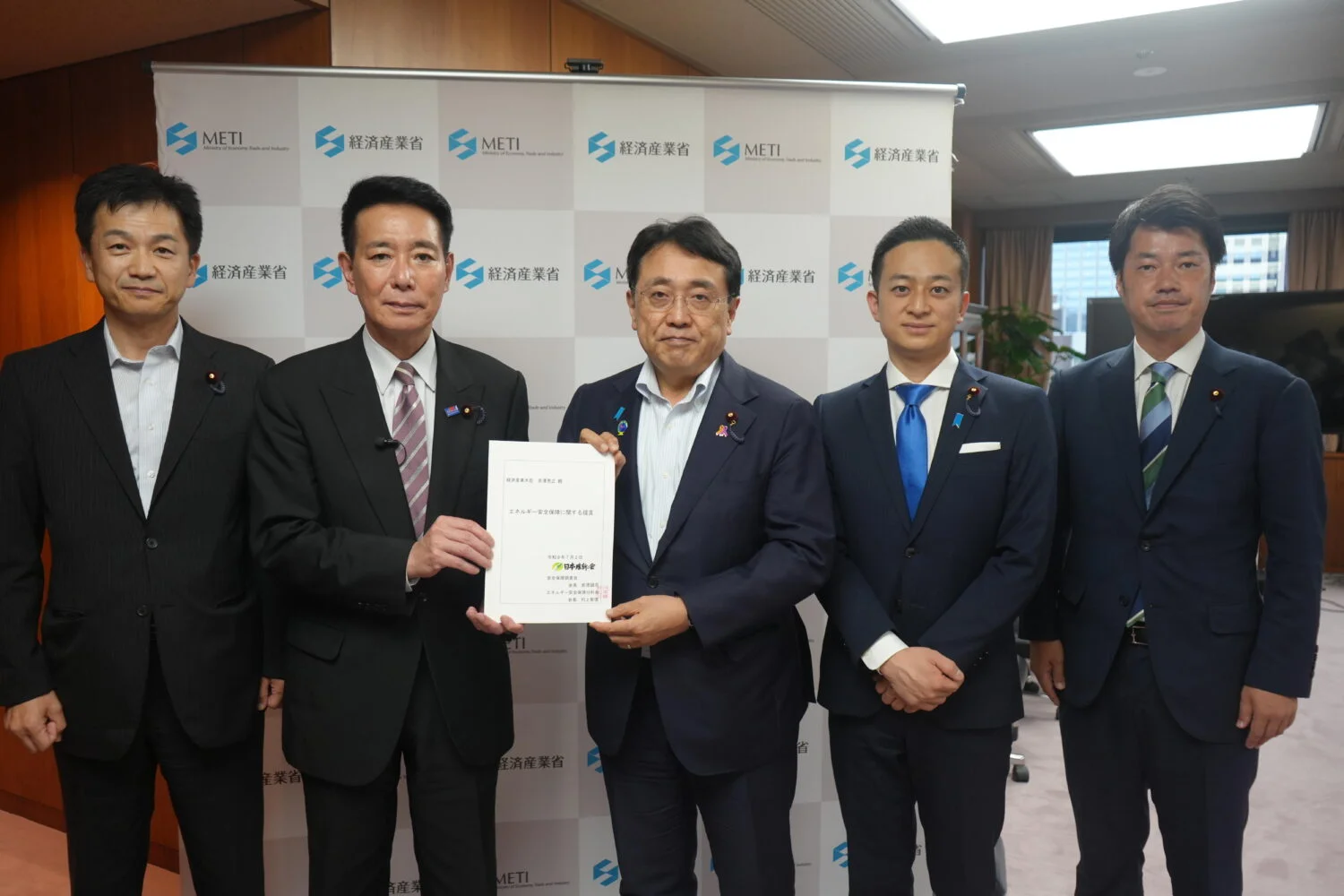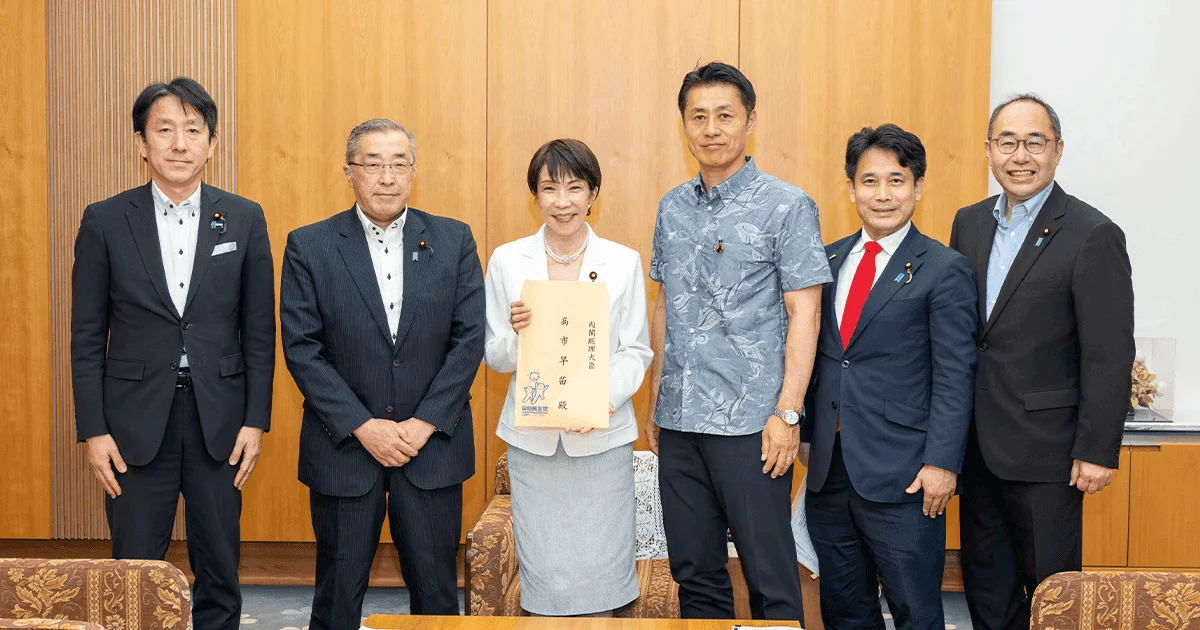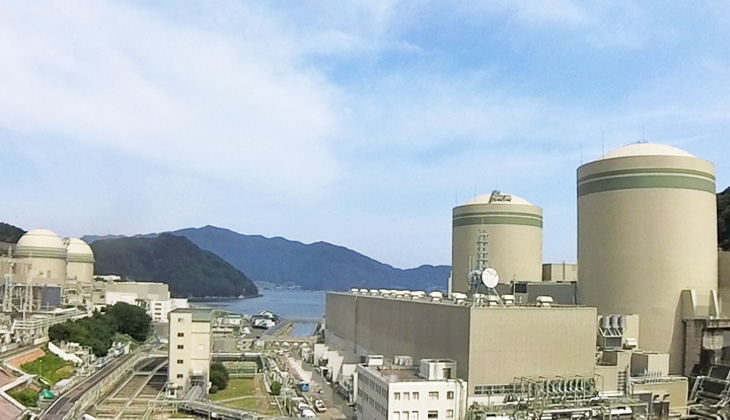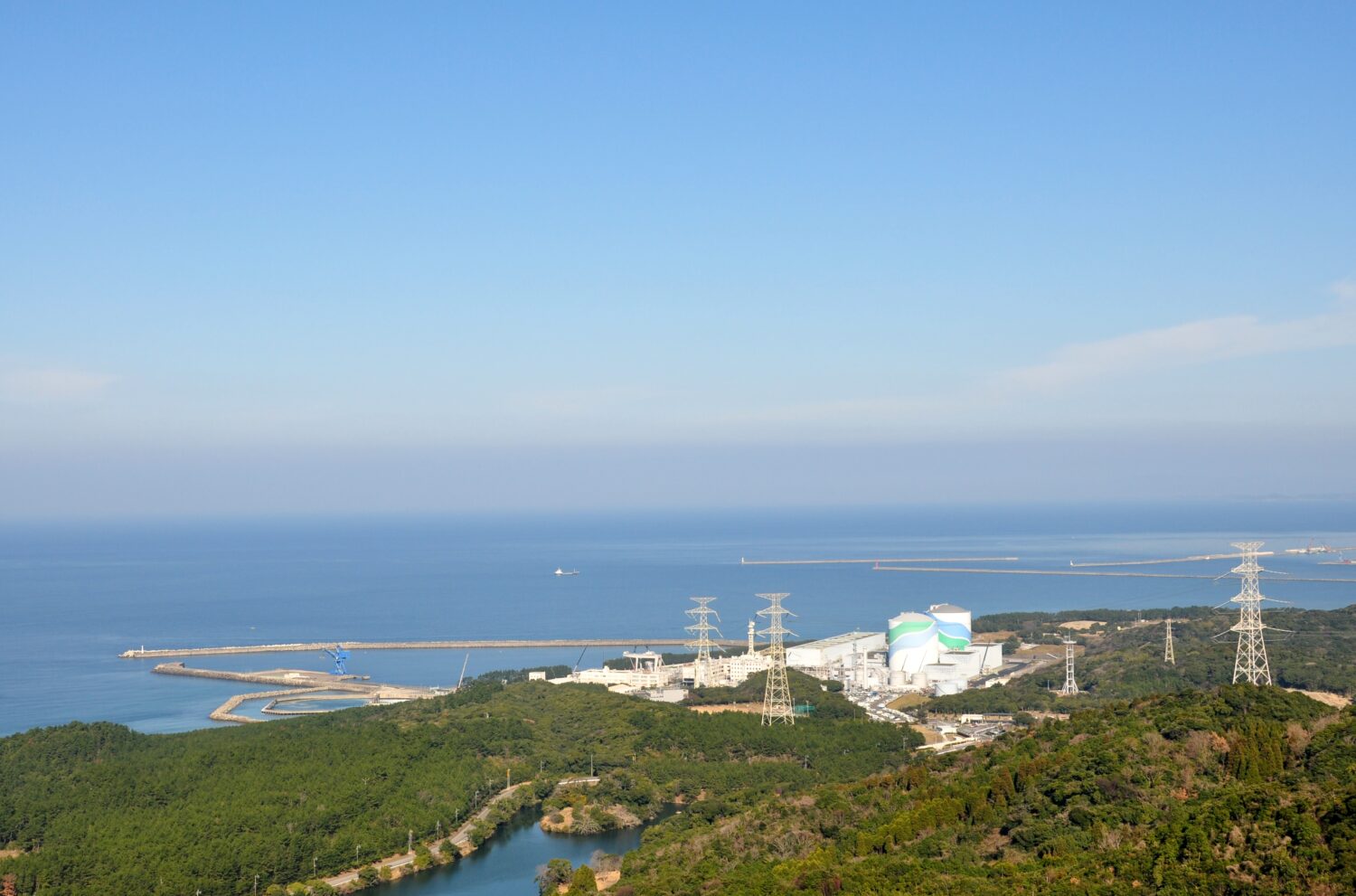

Against the backdrop of growing data center demand driven by the spread of AI and rising geopolitical risks, the proposal positions nuclear energy as a “realistic mainstay power source option.” It calls for more efficient and rationalized reviews, greater predictability, regulatory responses to advanced reactors, and strengthened human resources and organizational capacity.
The proposal states that, from the perspective of energy security, Japan must build a highly self-reliant energy supply system. Citing the rapid spread of AI and resulting increase in data center demand, as well as instability in the international situation, Keizai Doyukai emphasized that achieving Safety, Energy Security, Economic Efficiency and Environment (S+3E) simultaneously is fundamental to Japan’s national strength.
To achieve S+3E, Keizai Doyukai called for an energy mix that appropriately combines nuclear energy, renewable energy, and fossil fuels during the transition period. It described nuclear energy as “one realistic mainstay power source option” that supports long-term self-reliance, stable supply, and decarbonization, while also providing functions essential to stable grid operation.
The proposal noted that expansion of nuclear energy use must be premised on further safety improvements and public understanding. At the same time, it said Japan’s current regulatory framework, while contributing to the high level of safety achieved after the Fukushima Daiichi accident, has also led to prolonged reviews and limited predictability in decision-making processes. These factors, it said, have constrained restarts, new construction, replacement, and related investment.
As part of what it termed the “upgrading of nuclear regulation,” Keizai Doyukai proposed improving the efficiency and rationality of reviews by allocating regulatory resources according to the importance of each case. It also called for greater predictability regarding review periods and evaluation criteria, consideration of regulatory approaches reflecting the characteristics of advanced reactors such as small modular reactors (SMRs), which differ from conventional large light water reactors, and stronger staffing and organizational capacity at the regulatory authority.
Keizai Doyukai also proposed institutionalizing an “optimal power system planning” framework that comprehensively considers nuclear power, renewable energy, storage batteries, transmission grids, and other elements. Recognizing that nuclear power plant sites face certain social constraints, it called for building a power system that does not rely on overly optimistic assumptions about new construction or replacement. For renewable energy as well, it urged realistic deployment plans that take land-use constraints and other factors into account.
The proposal further positioned nuclear energy as an “anchor power source” supporting grid stability, and called for a realistic power generation portfolio combining nuclear energy with renewable energy, storage batteries, and high-efficiency thermal power.
At the same time, Keizai Doyukai emphasized that rebuilding public understanding and trust is essential to ensuring the sustainability of energy policy. It stressed the need to promote mutual understanding between host communities and electricity-consuming areas on energy issues, including nuclear power. Through school education and adult education, it said, Japan should improve basic energy literacy, enabling people to understand options and trade-offs and make informed comparisons and judgments.
Keizai Doyukai said it will continue to make recommendations from a long-term perspective toward achieving energy independence through discussions with relevant ministries and agencies, local governments, research institutions, the education community, and industry.