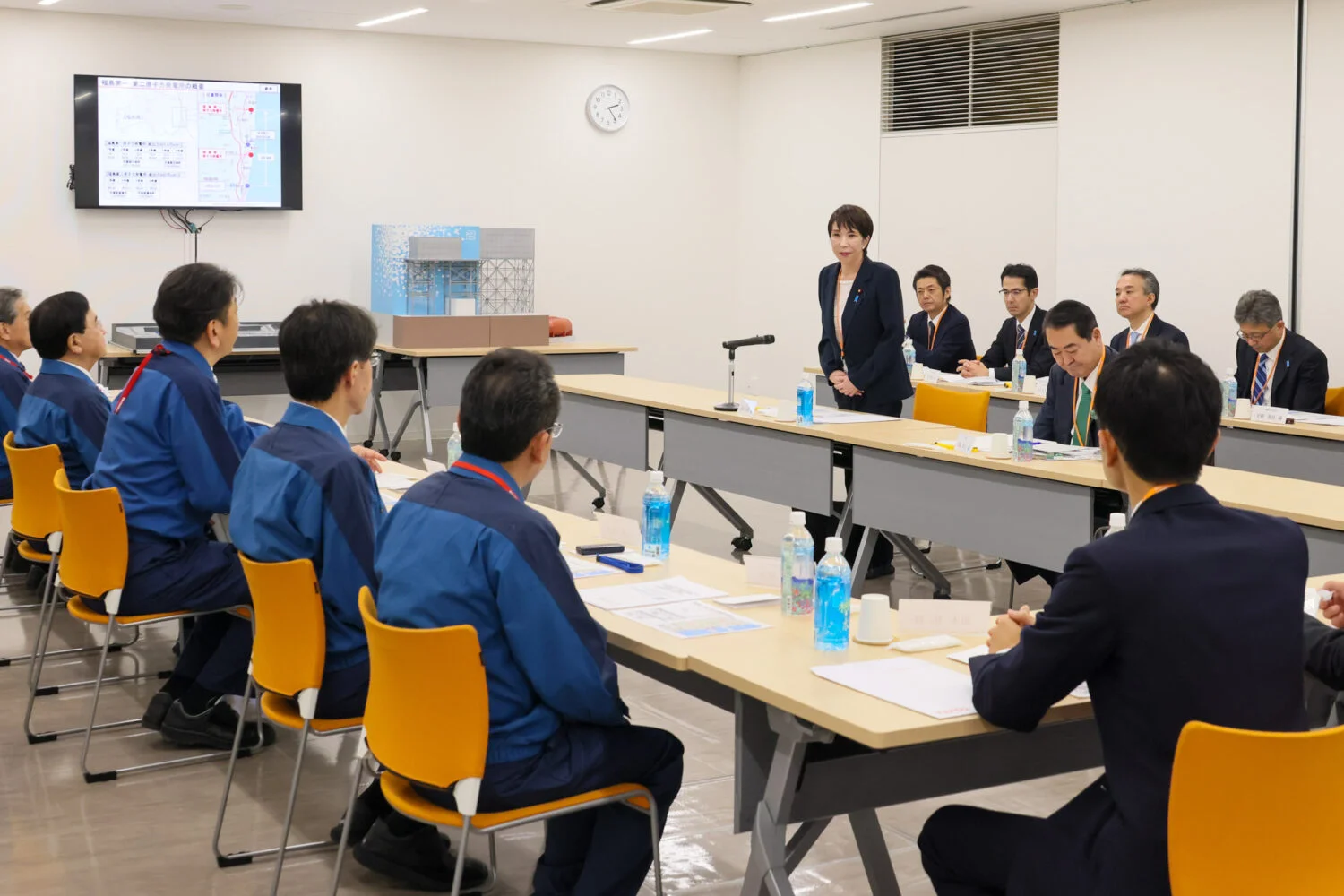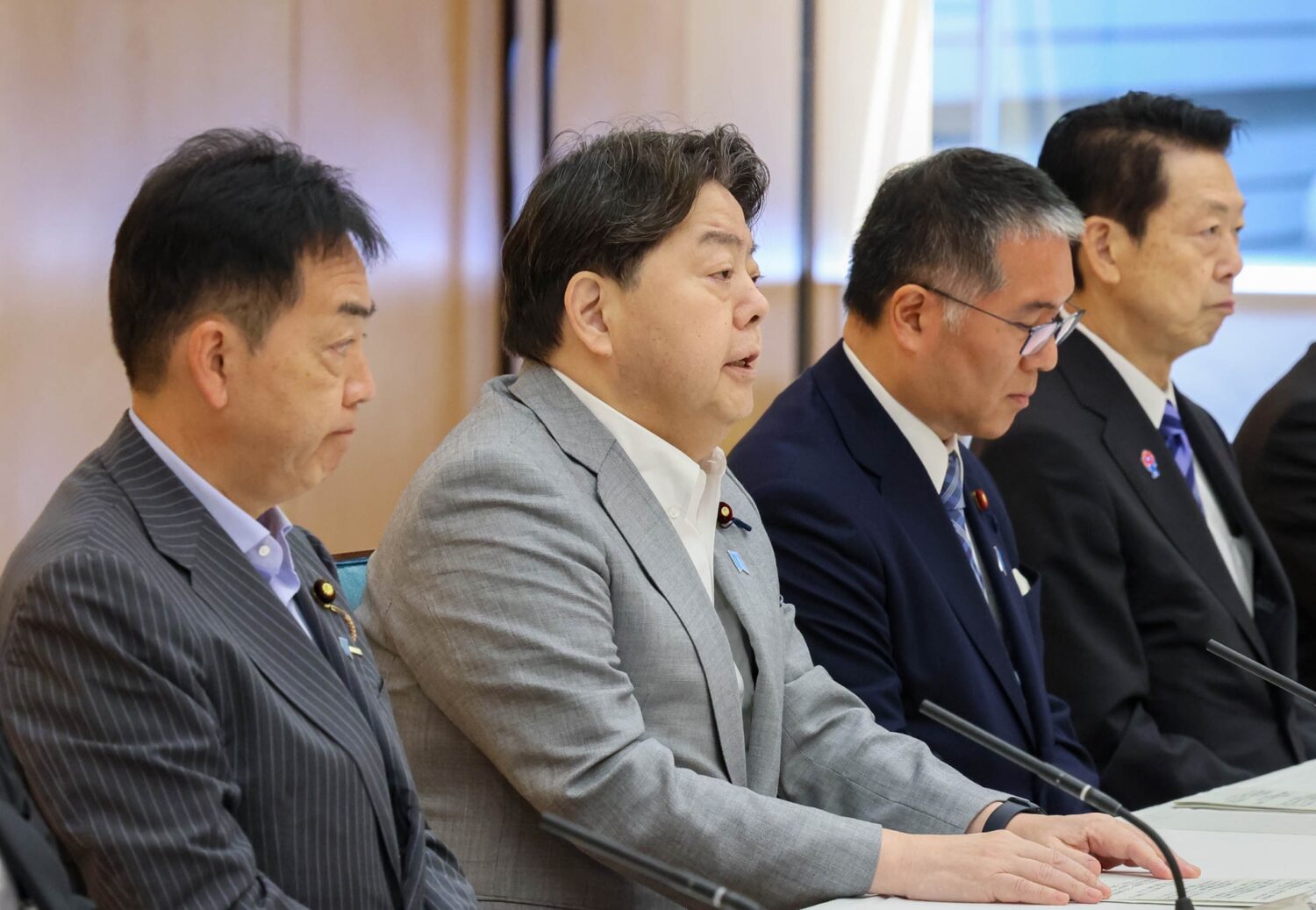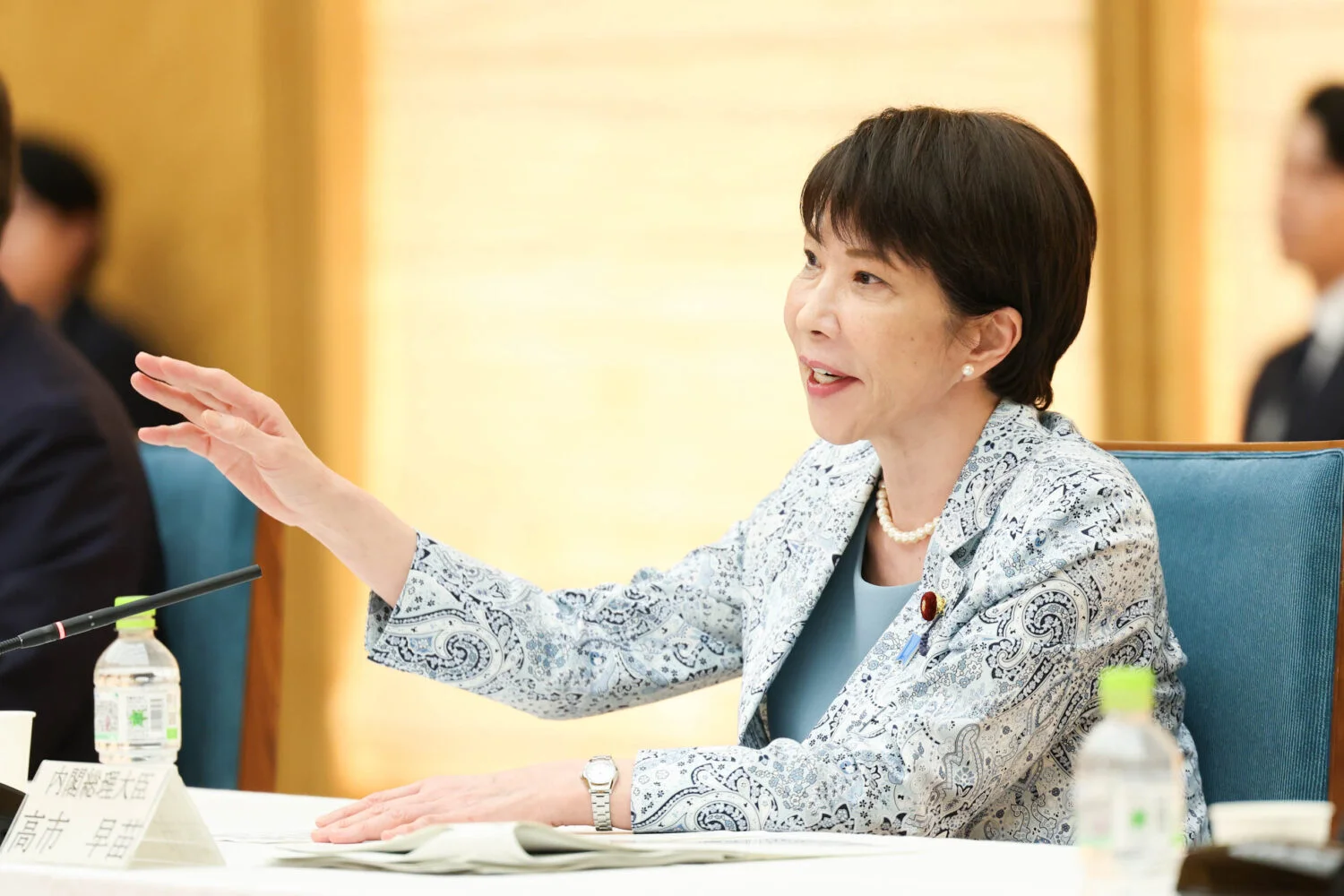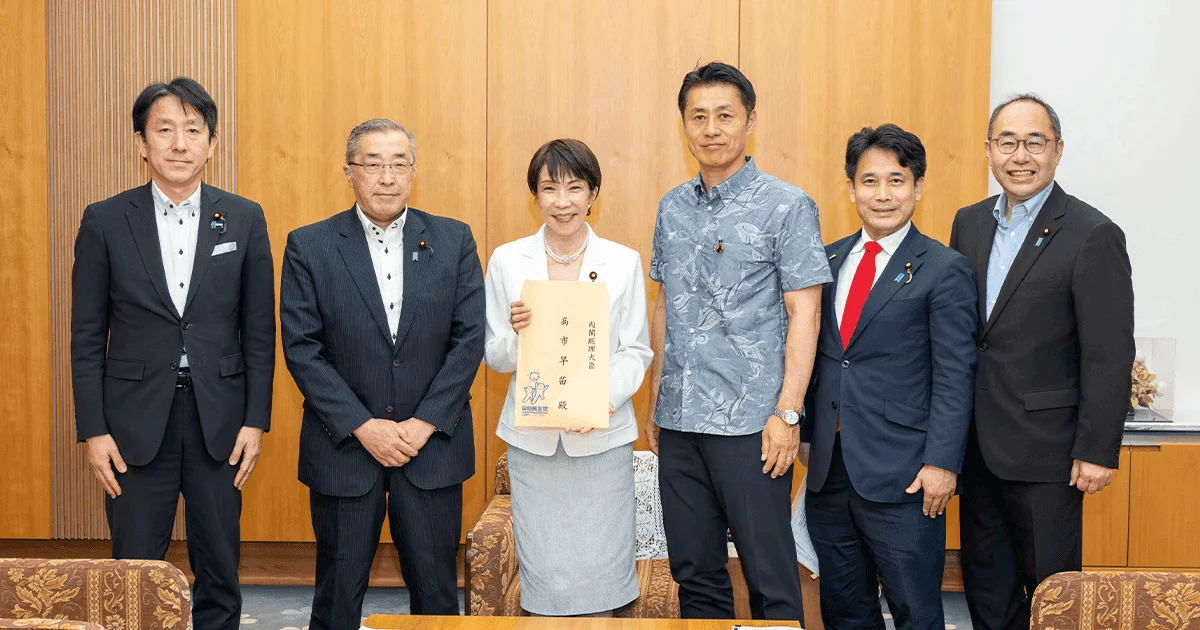

The plan was presented at the second interministerial meeting on workforce development and recruitment in strategic industries and social infrastructure sectors, held at the Prime Minister’s Office.
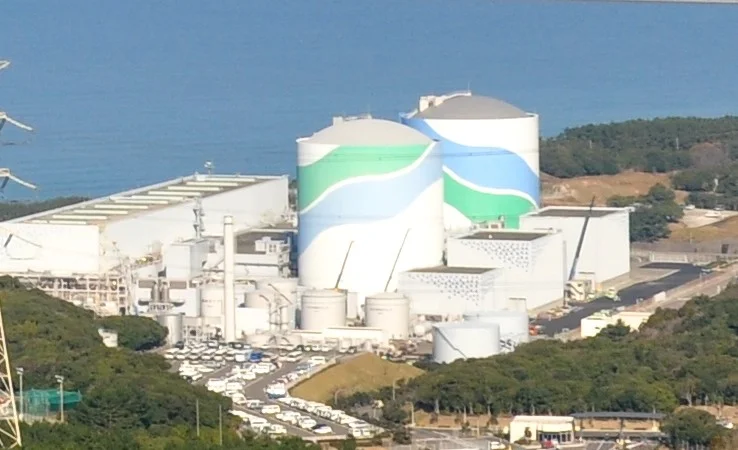
The meeting examined workforce challenges and potential policy measures in ten priority sectors, including advanced nuclear reactors, where discussions are already underway among the 17 strategic sectors identified in Japan’s national growth strategy.
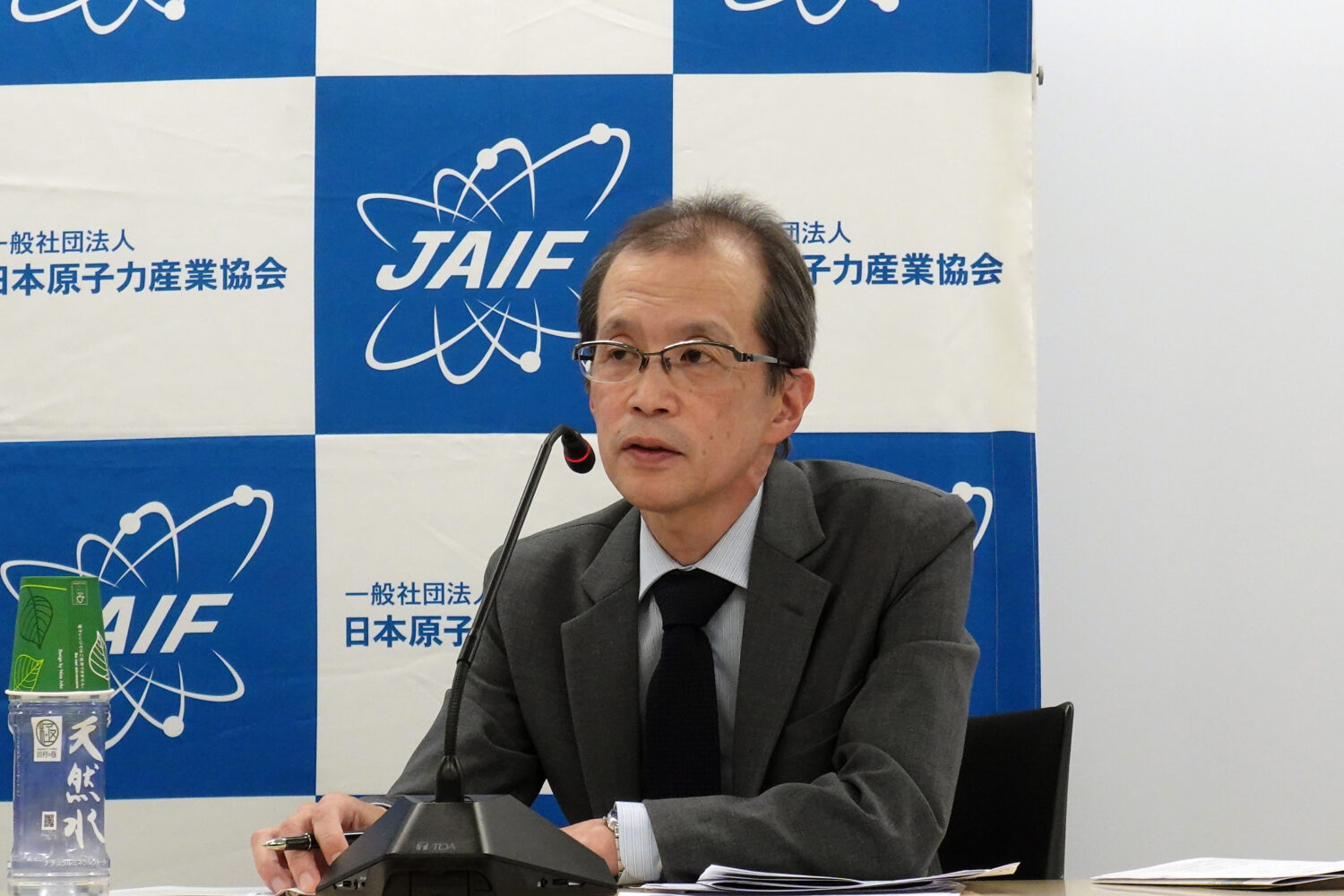
The government is currently assessing future nuclear workforce requirements using an estimated 51,000 people employed in the nuclear power sector as its baseline. The figure is drawn from the Japan Atomic Industrial Forum’s (JAIF) 2025 Survey of Trends in the Nuclear Energy Industry.
The assessment takes into account the government’s projections for replacing existing nuclear power plants, which envisage capacity equivalent to approximately two to five large reactors by the 2040s (2.2–5.5 GWe) and 11 to 14 large reactors by the 2050s (12.7–16.0 GWe).
The government identified several challenges facing Japan’s nuclear industry, including the prolonged slowdown and loss of continuity in industrial activity following the 2011 Great East Japan Earthquake, as well as insufficient coordination among industry, government and academia in securing and developing nuclear personnel.
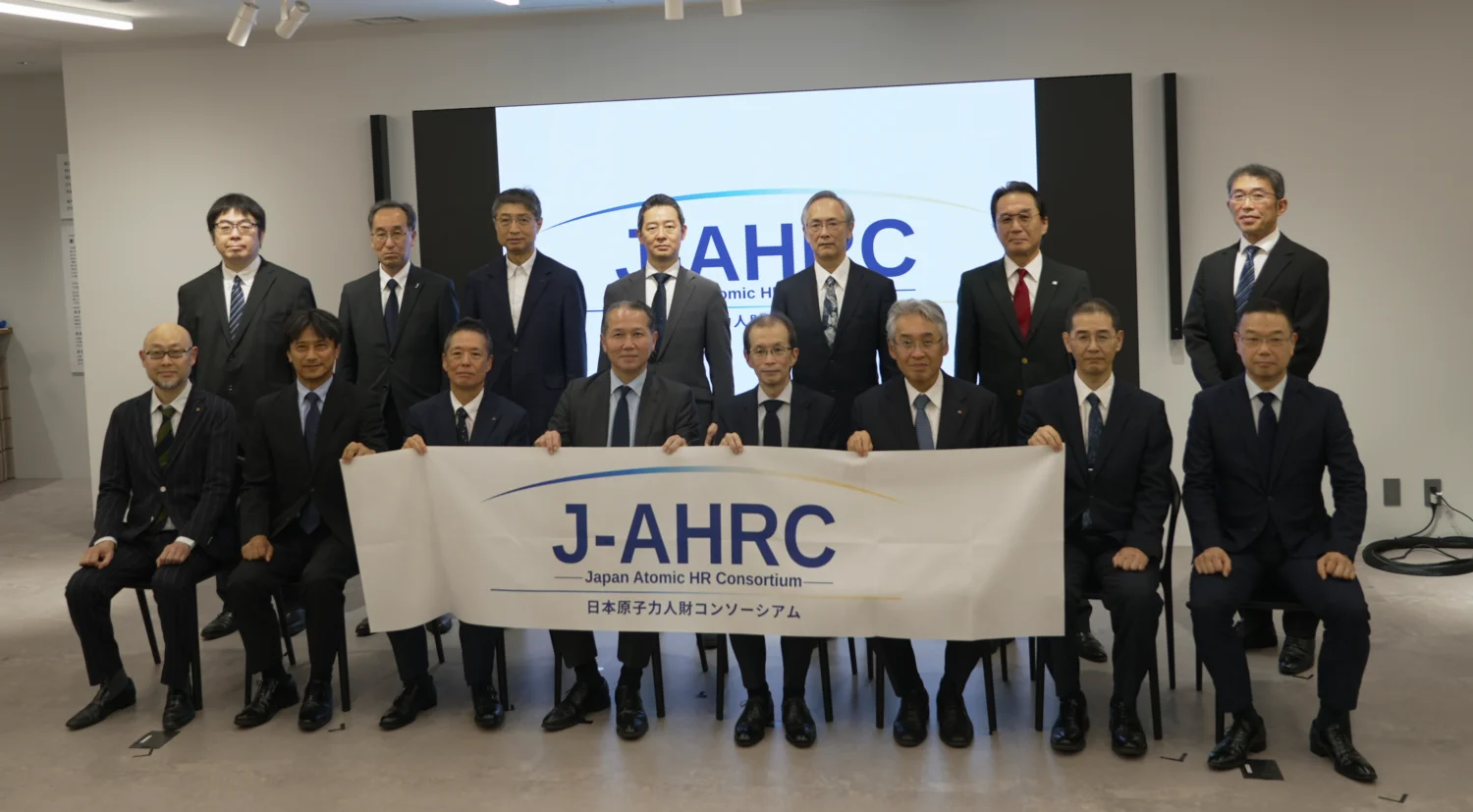
To address these issues, the government intends to work through the Japan Atomic Human Resource Consortium (J-AHRC), established on 7 October as a cross-sector coordinating body. The consortium will lead efforts to develop a nuclear workforce roadmap and promote coordinated recruitment and training initiatives across the industry.
The government outlined four priority areas for future action:
- Preserving, transferring and advancing accumulated skills and technical expertise.
- Establishing world-leading research capabilities and technological infrastructure.
- Strengthening mechanisms to attract younger generations into the nuclear sector.
- Establishing a central coordinating function across industry, government and academia, and developing a medium- to long-term roadmap based on analysis of workforce supply and demand gaps.