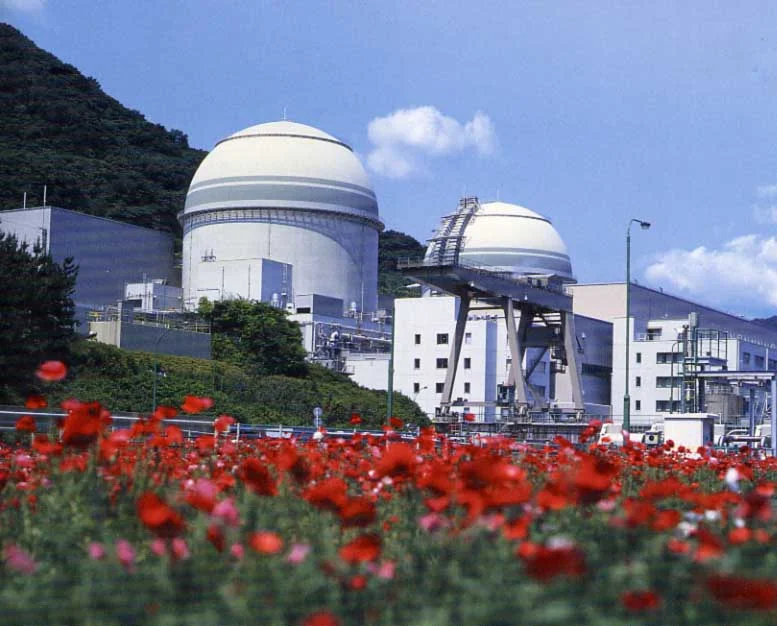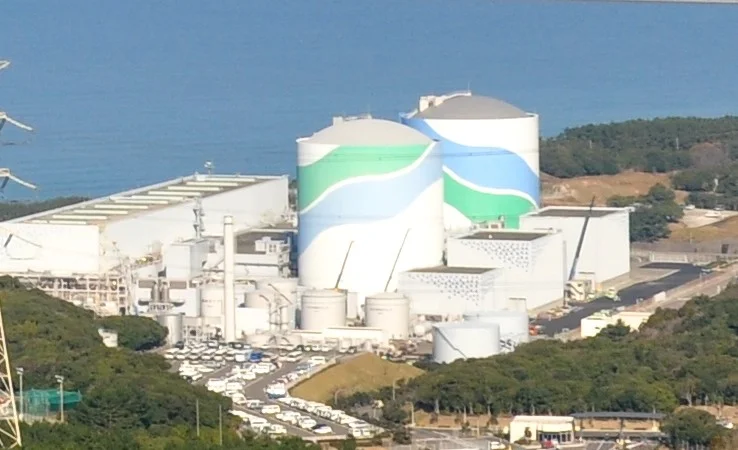

As the Japanese government pursues the maximum use of nuclear power and looks ahead to the future replacement of nuclear power plants, securing and developing skilled personnel has become a major challenge. The consortium plans to analyse potential gaps between future workforce supply and demand in the nuclear sector and develop a roadmap for addressing these challenges by the end of fiscal year 2026.
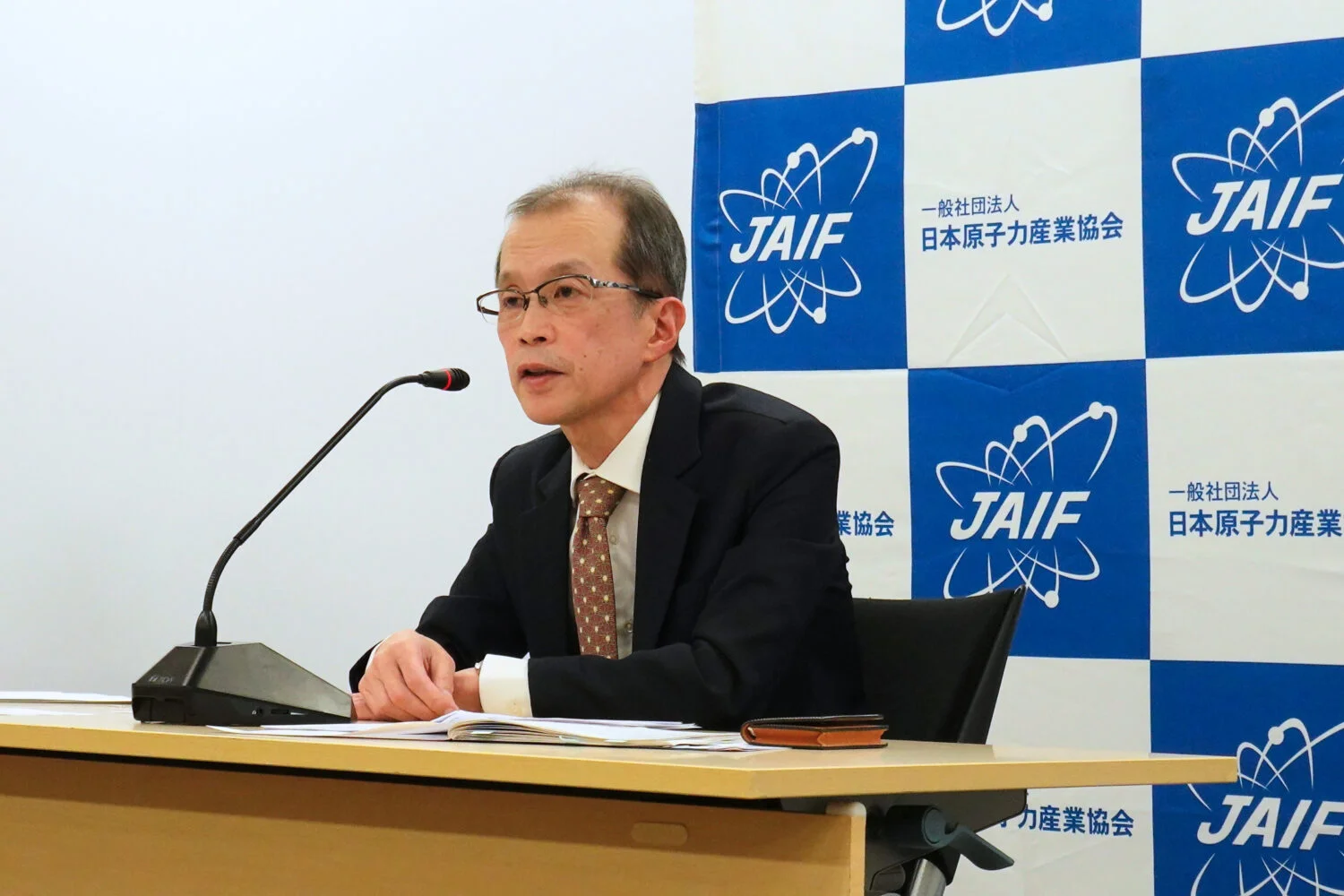
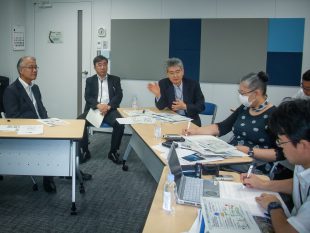
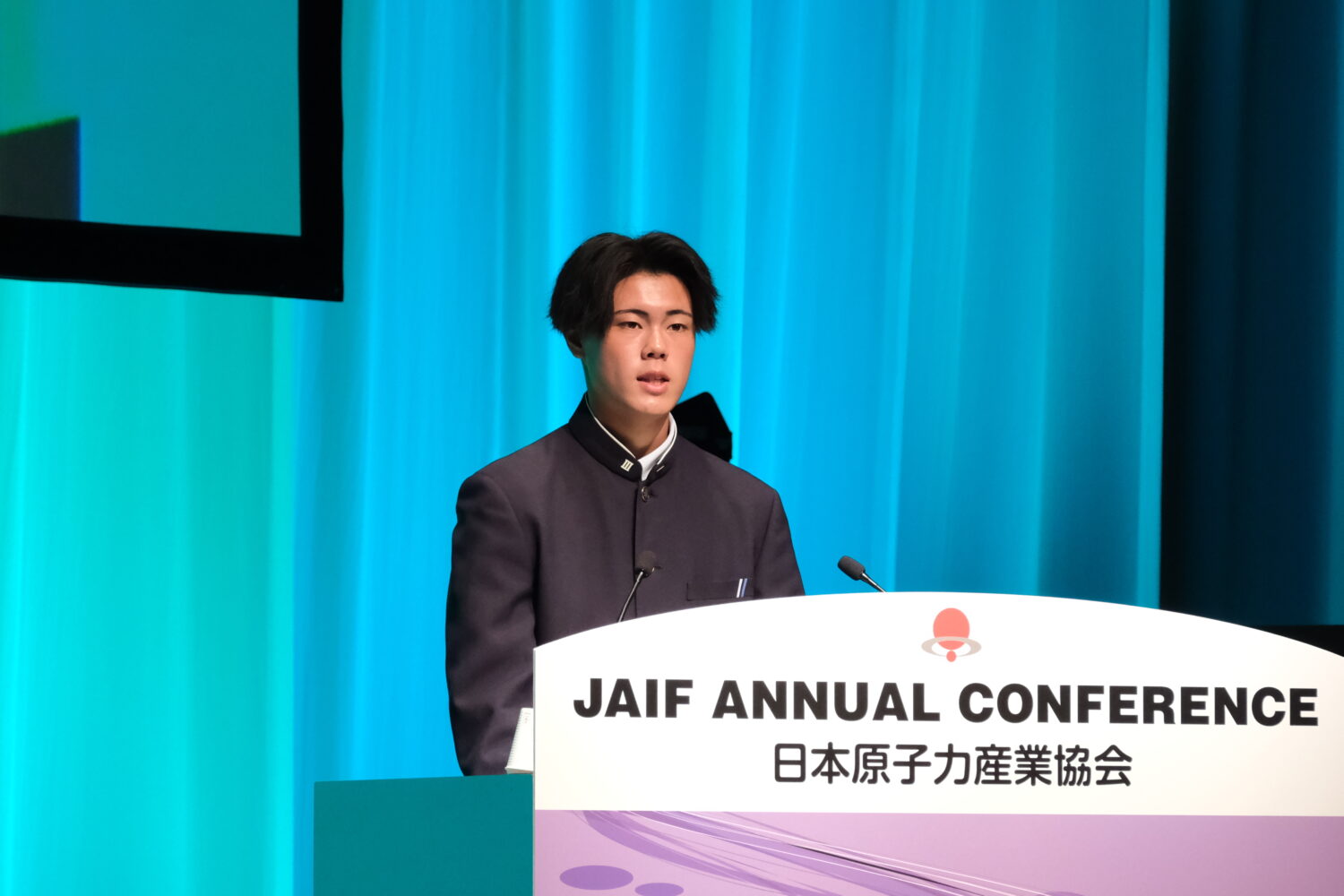
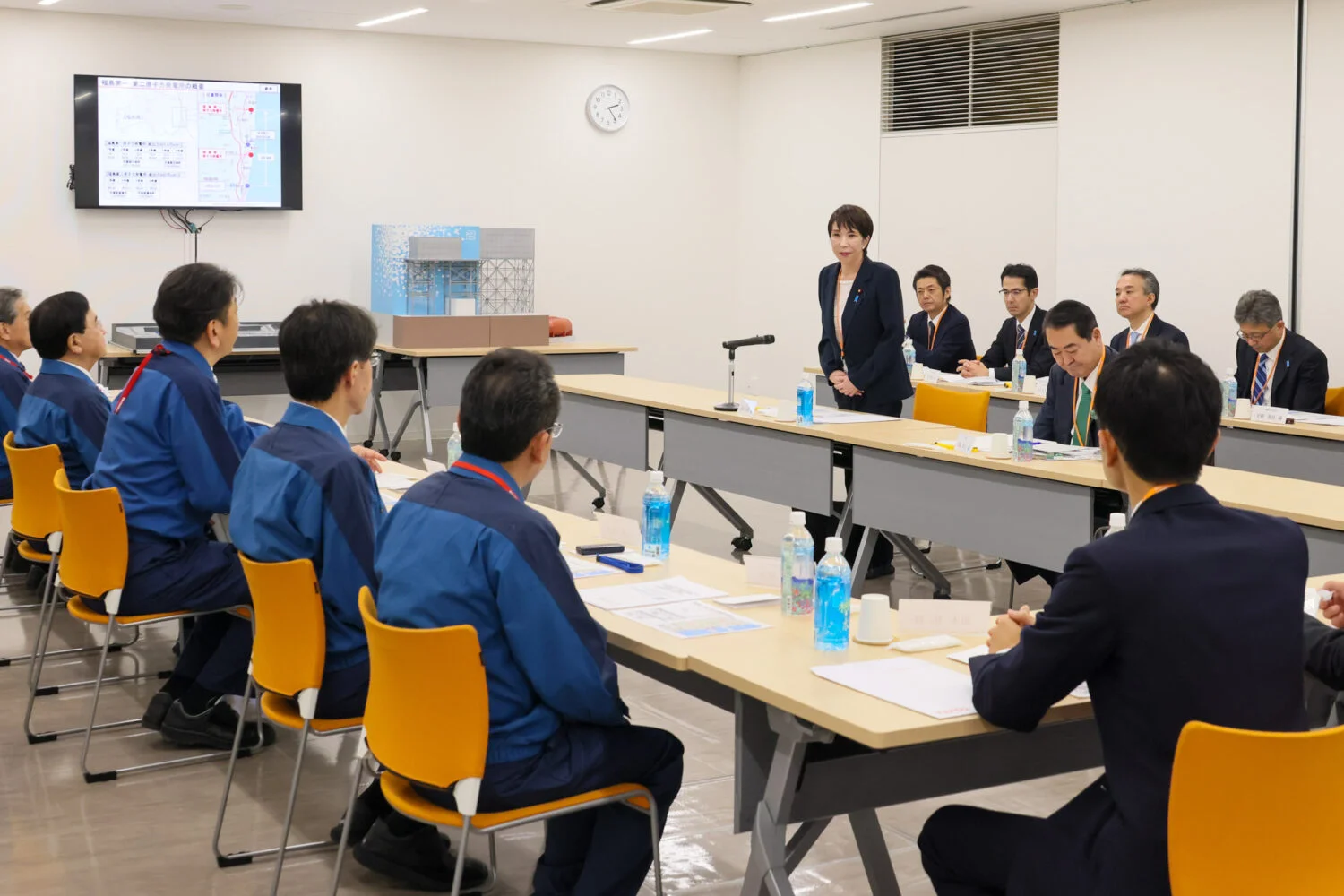
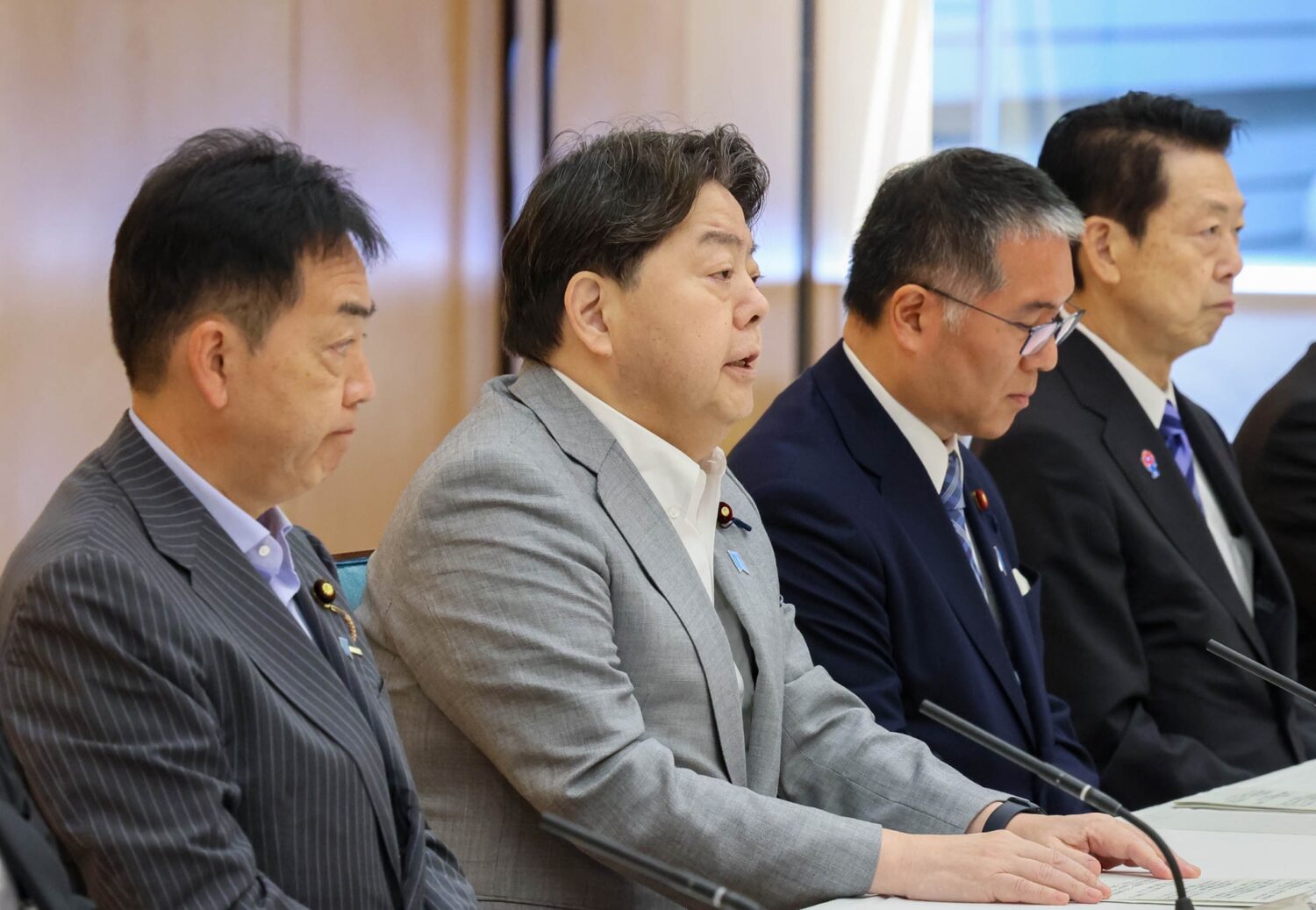
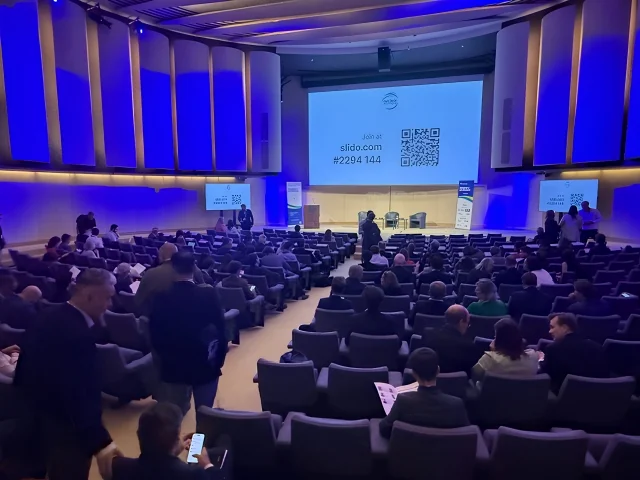
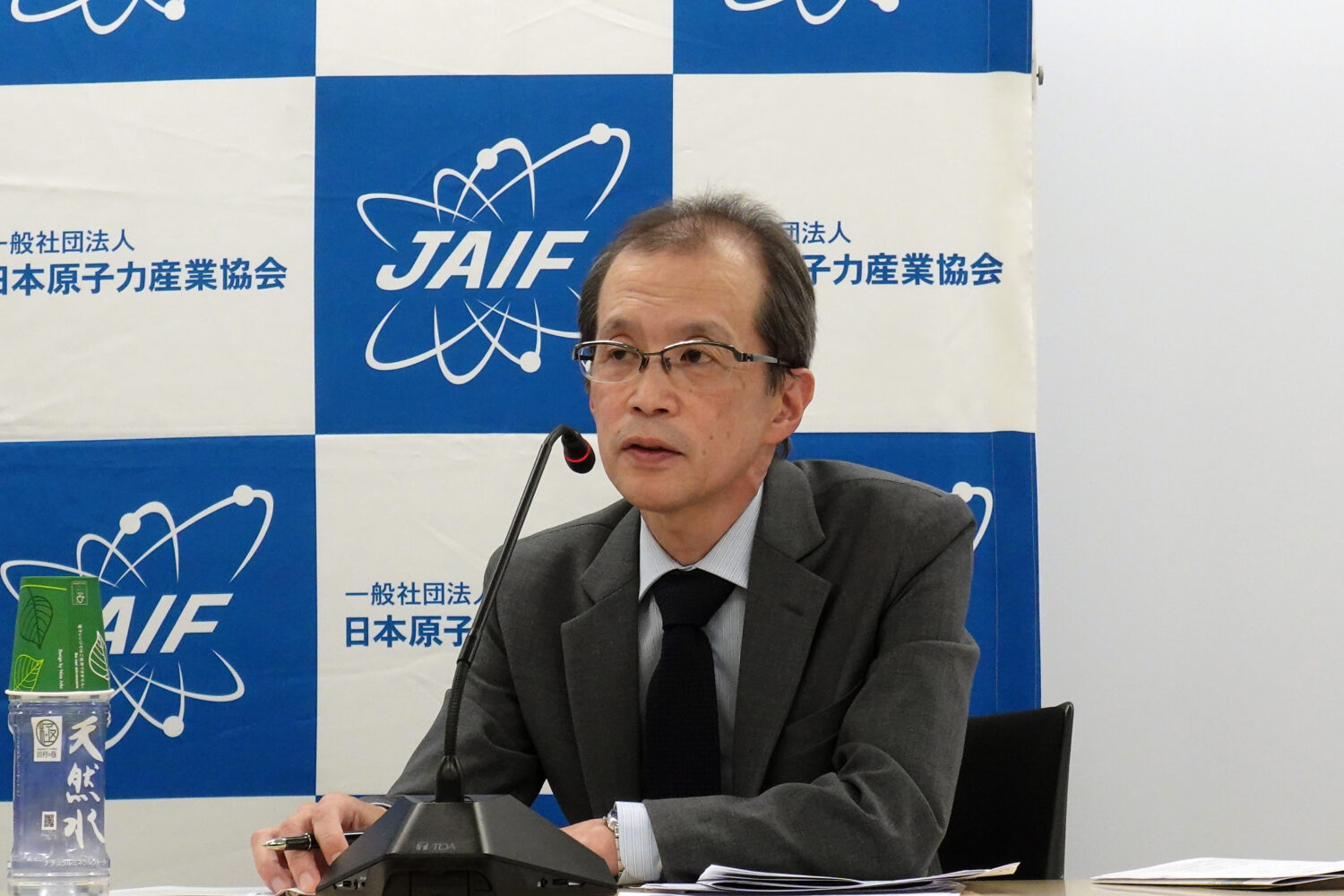
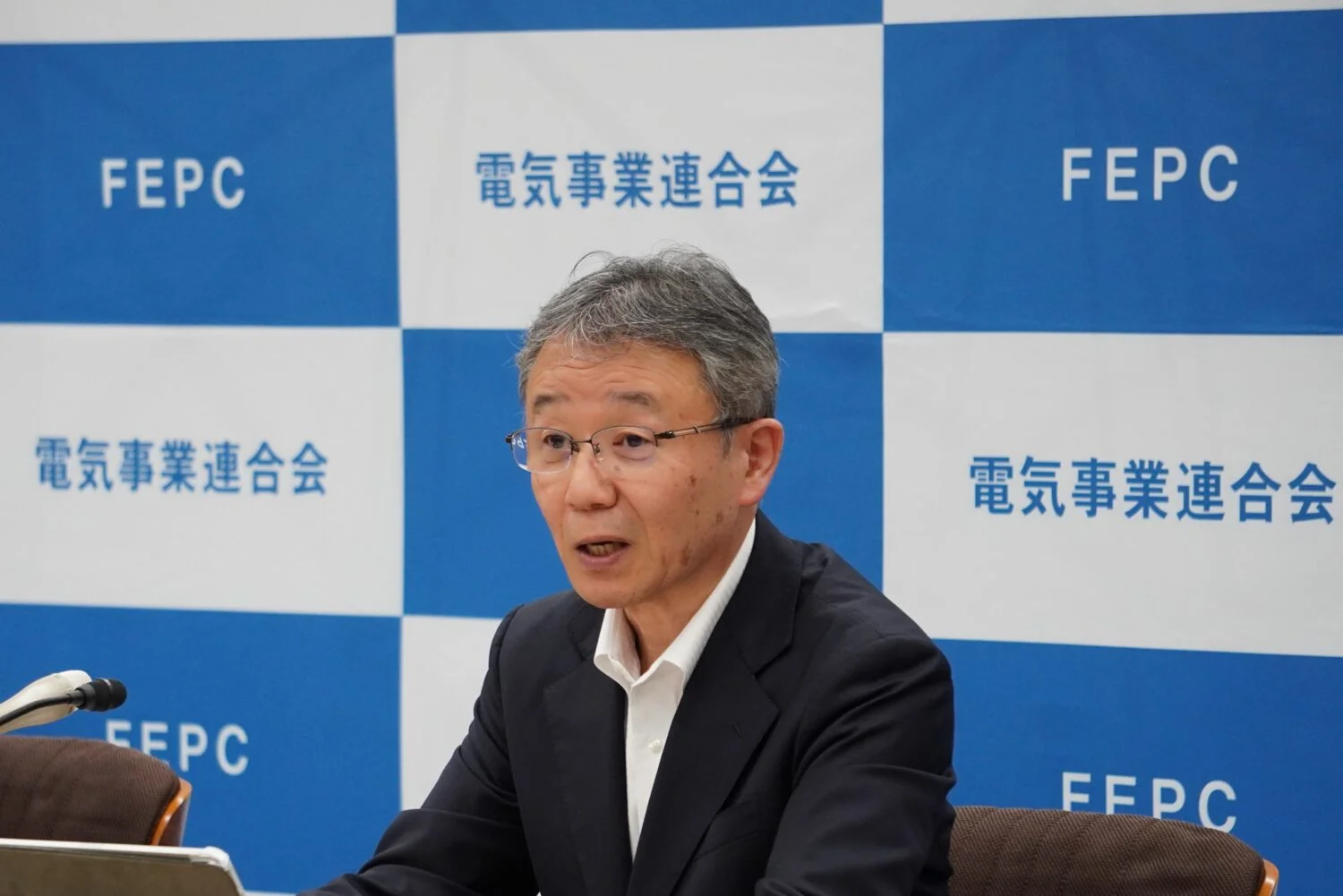
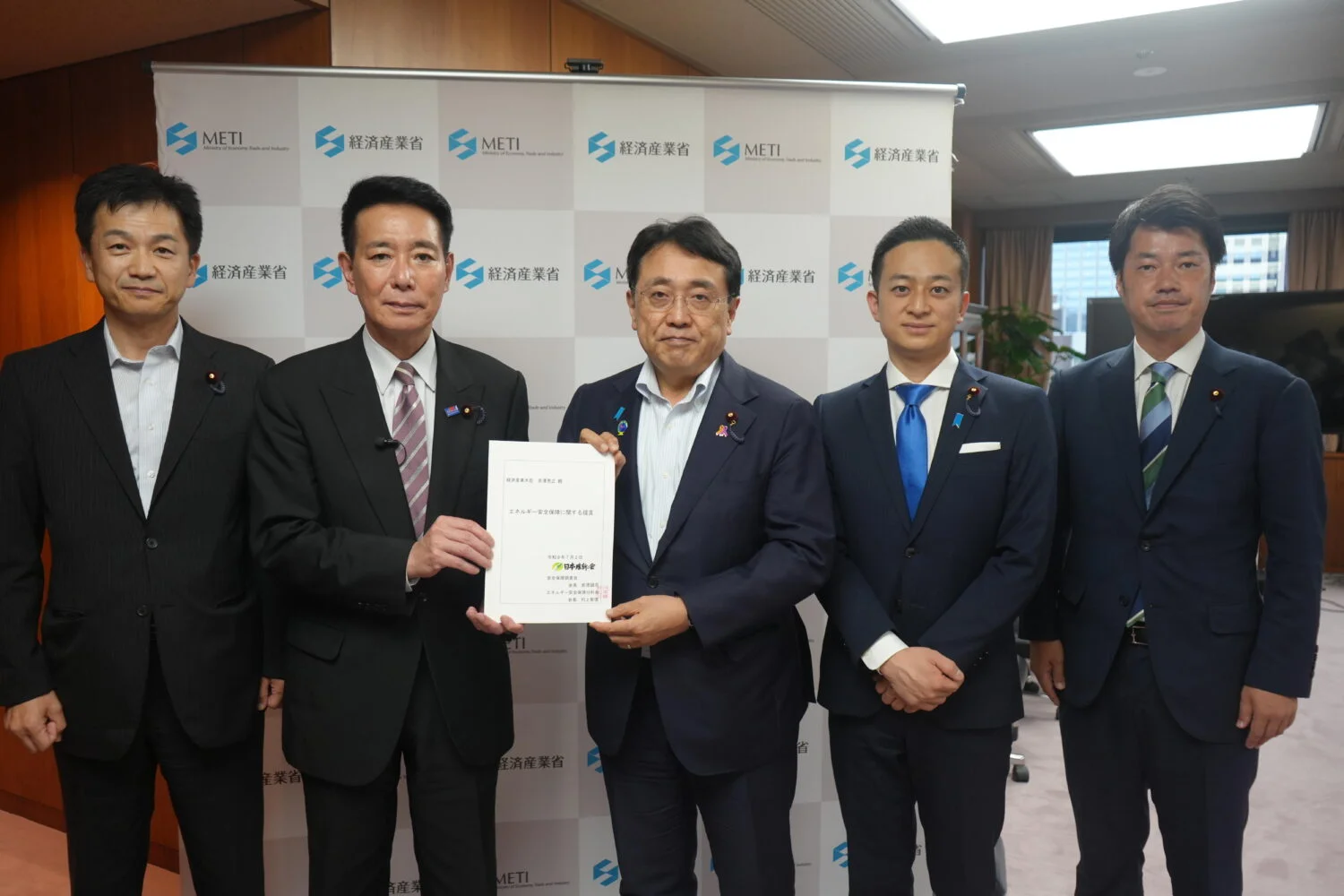
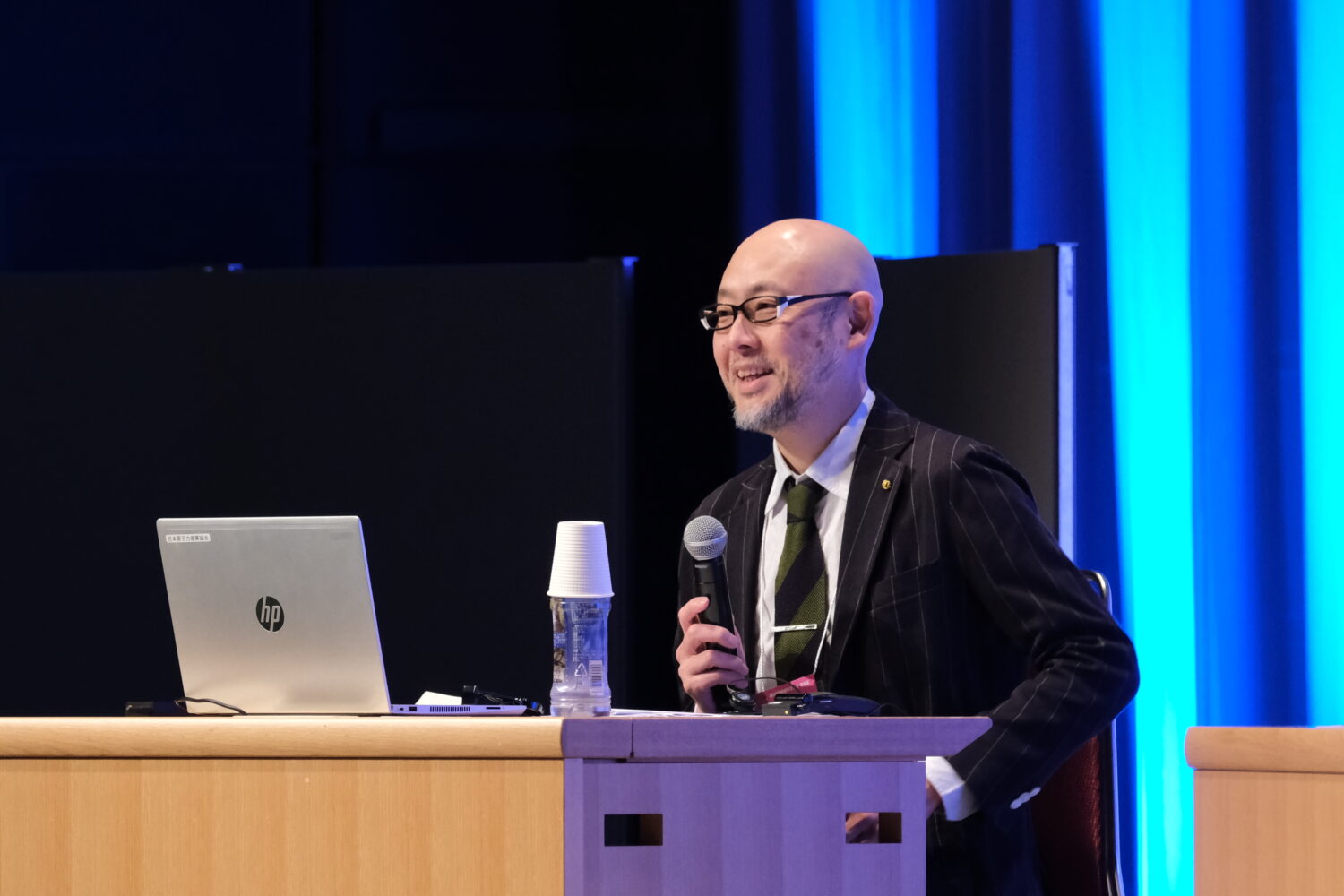
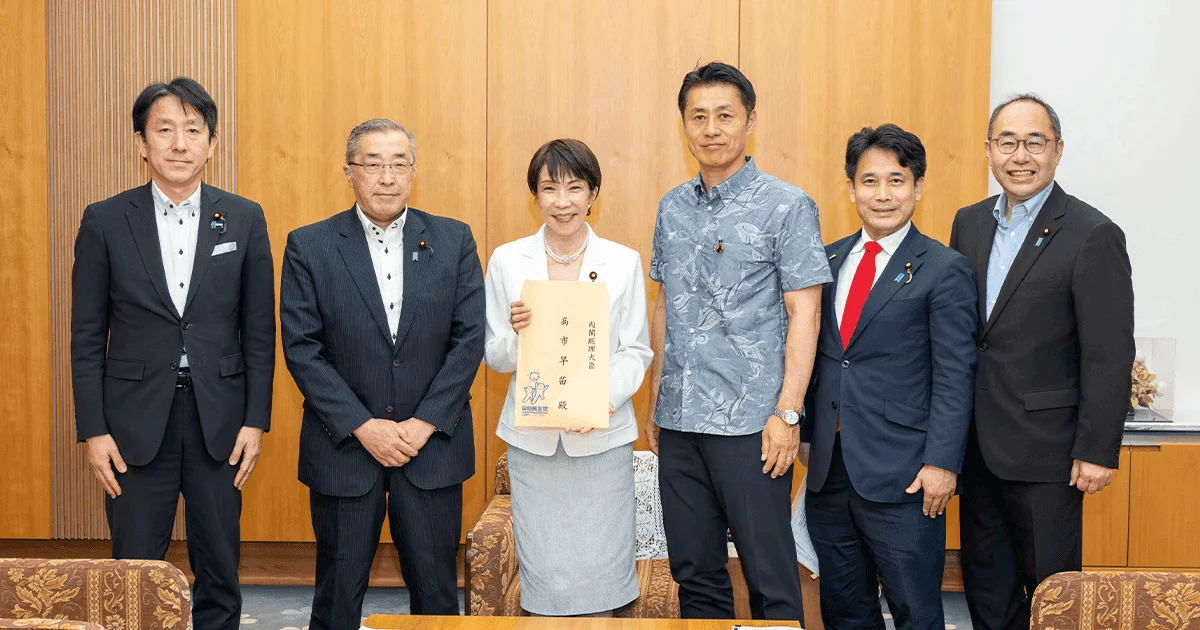
An inaugural meeting was held at the Ministry of Economy, Trade and Industry (METI) on the same day, attended by representatives of electric utilities, manufacturers, universities, research institutions and relevant government ministries and agencies. At the beginning of the meeting, MASUI Hideki, president and CEO of the Japan Atomic Industrial Forum (JAIF), explained the purpose of establishing the consortium and its organisational structure.
The new consortium is a reorganisation and expansion of the Nuclear Human Resource Development Network, established in 2010. It aims to move beyond the previous framework, which focused primarily on information sharing and cooperation, towards a more action-oriented structure capable of addressing specific workforce challenges.
The 84 organisations participating in the existing network are expected to continue their involvement. The consortium will be led by 13 founding organisations, including JAIF, electric utilities, manufacturers, METI, the Ministry of Education, Culture, Sports, Science and Technology (MEXT), and the Nuclear Regulation Authority (NRA).
Its organisational structure will include a decision-making body, an executive body responsible for coordinating practical activities, and a permanent secretariat staffed by personnel seconded from the founding organisations.
The consortium’s immediate priorities are to identify potential gaps between the future supply of and demand for nuclear workers and to formulate a roadmap. It intends to analyse workforce requirements in as much detail as possible by occupation and area of expertise, including electrical work, welding, construction and equipment installation.
The roadmap will set out projected workforce requirements, measures to address identified challenges and the respective roles of participating organisations. The consortium aims to finalise the roadmap by the end of FY2026.
MURASE Yoshifumi, commissioner of the Agency for Natural Resources and Energy (ANRE), attended the meeting and noted that the nuclear sector relies on a wide range of specialised personnel, covering everything from design, construction, operation, maintenance, and research and development to the nuclear fuel cycle and decommissioning.
Emphasising that “human resources are the key to nuclear policy,” Murase expressed his expectation that the consortium would serve as a central coordinating body, bringing together industry, academia and government to tackle challenges that individual organisations would find difficult to resolve on their own.