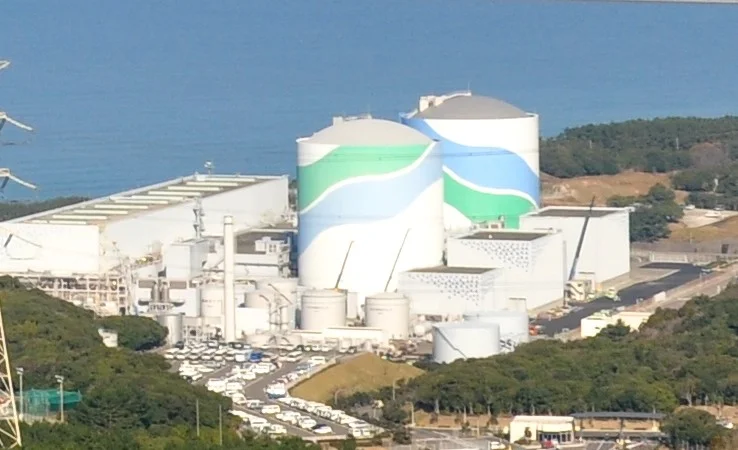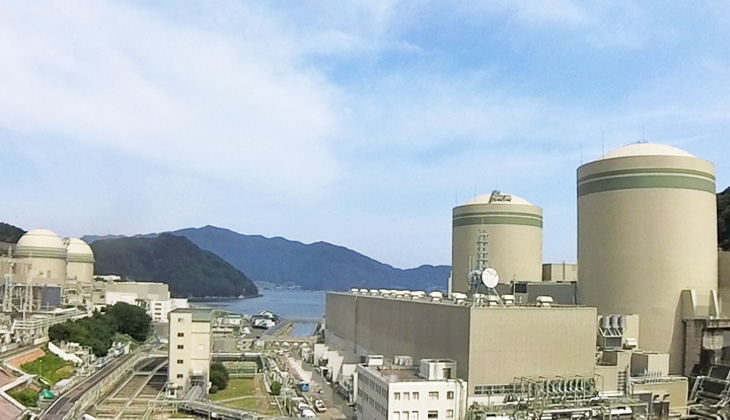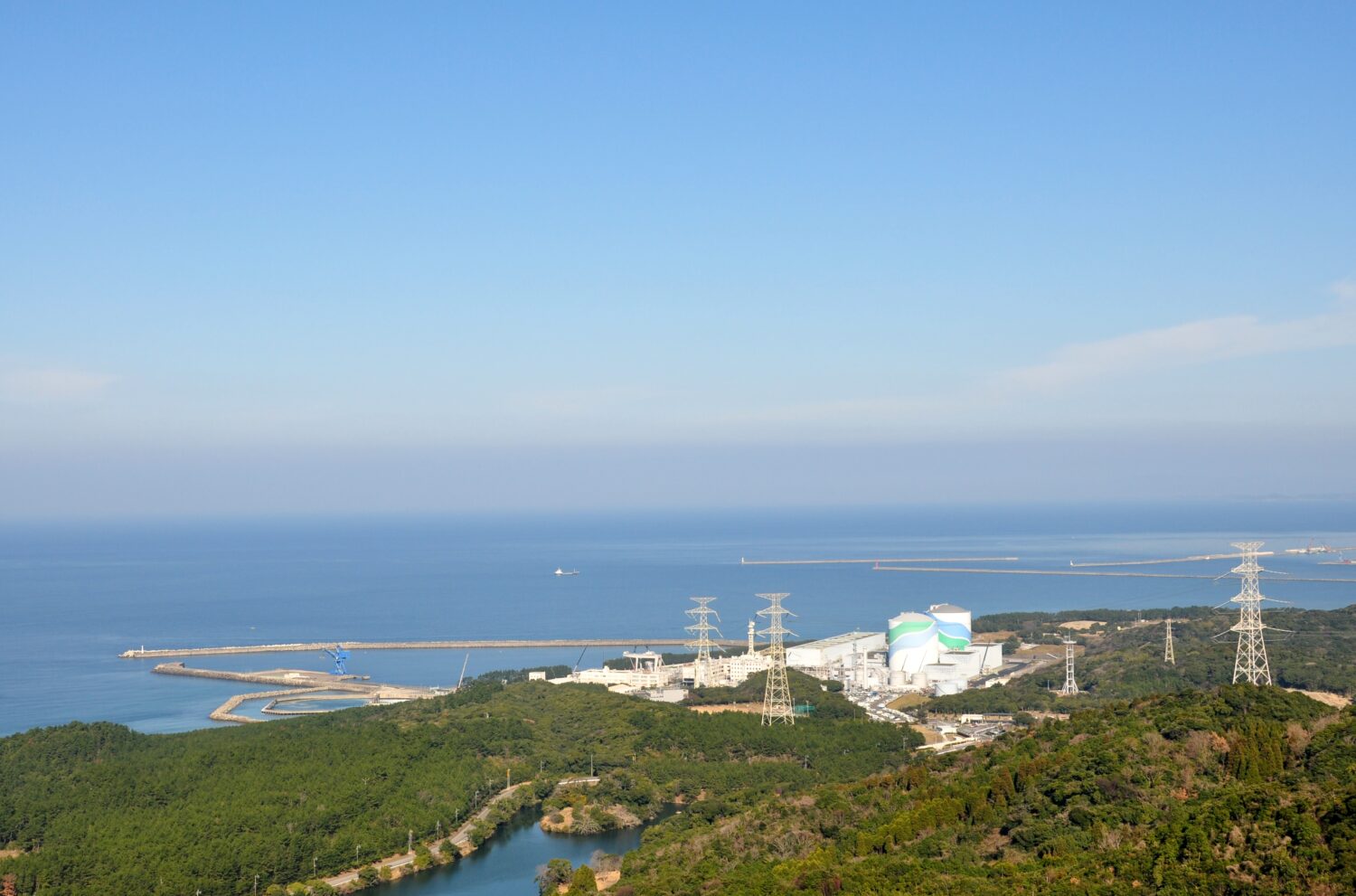

The report places Japan’s nuclear power industry in the “Shape” strategic investment category, where the country should seek to establish critical scale and compete across the entire value chain to build a leading global position.
The “Shape” category covers industries in which Japan has significant strengths and which are considered strategically important. Of 18 industries expected to drive as much as one-third of global GDP growth, McKinsey identifies nuclear power, semiconductors, energy storage systems and robotics as areas where Japan should pursue this strategy.
McKinsey describes Japan as “one of the few countries in the world with the foundation to provide an end-to-end nuclear supply chain.” With electricity demand rising rapidly worldwide and nuclear power attracting renewed attention, the report says Japan has structural advantages in areas including the development, design, maintenance and operation of next-generation nuclear technologies.
The report also points to rising electricity demand in Japan, driven in part by the rapid expansion of data centres supporting the growth of artificial intelligence. With the country facing the prospect of persistent electricity shortages, McKinsey identifies the replacement and construction of new nuclear and large-scale thermal power capacity as important pillars for ensuring a stable energy supply.
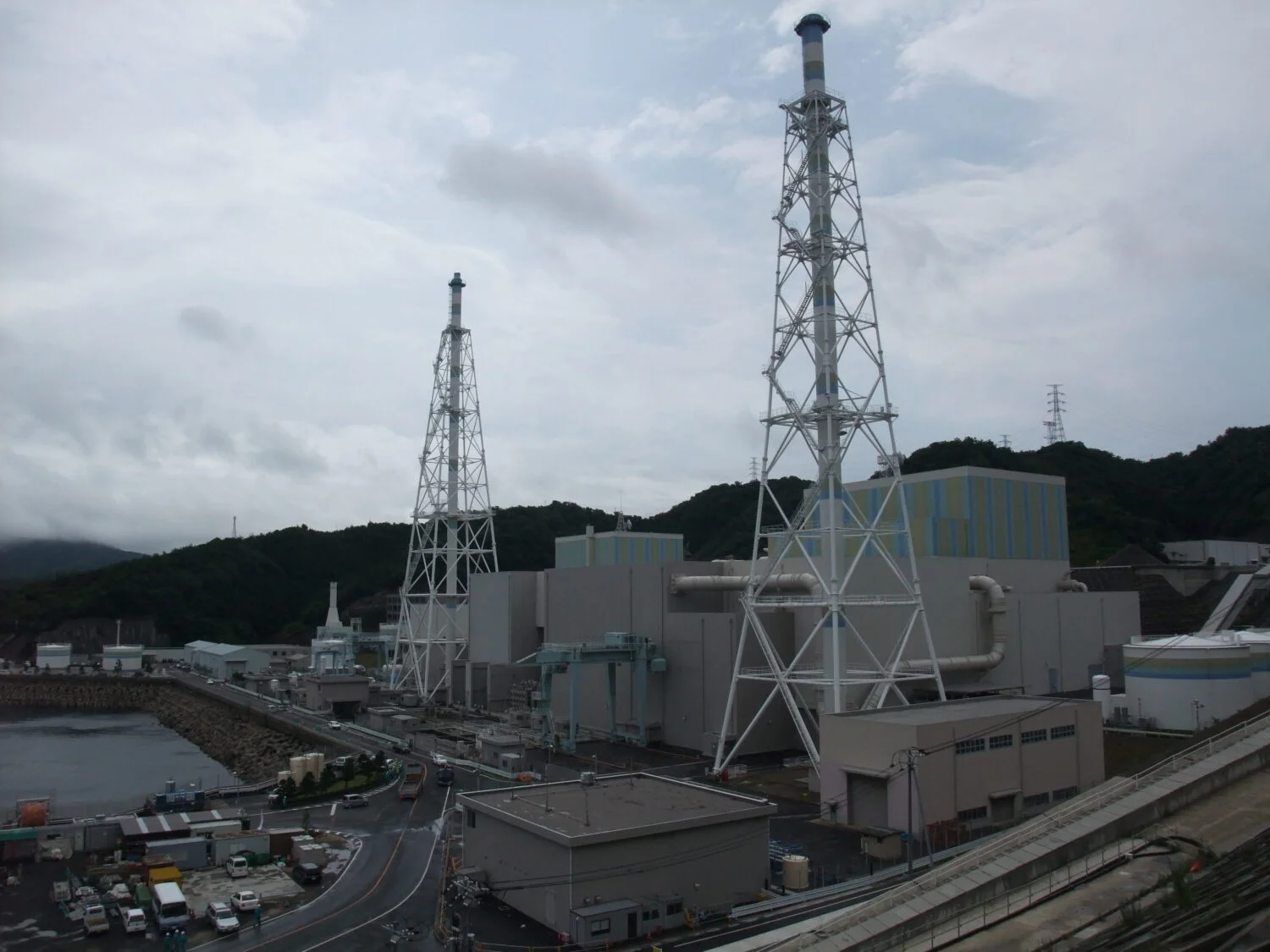
At the same time, the report warns that with many of Japan’s nuclear reactors yet to restart and little progress on new construction, the country is gradually losing parts of its nuclear supply chain, including nuclear engineering expertise and equipment manufacturing capabilities, weakening its international competitiveness.
McKinsey describes the situation as requiring urgent action. If these challenges can be overcome, it says Japan could leverage its valuable technological capabilities and engineering talent as a further engine of growth, while building a foundation for competitiveness in next-generation technologies, including small modular reactors (SMRs).
McKinsey plans to publish additional reports examining in greater detail how Japanese companies should focus their efforts in individual sectors and build greater competitiveness.