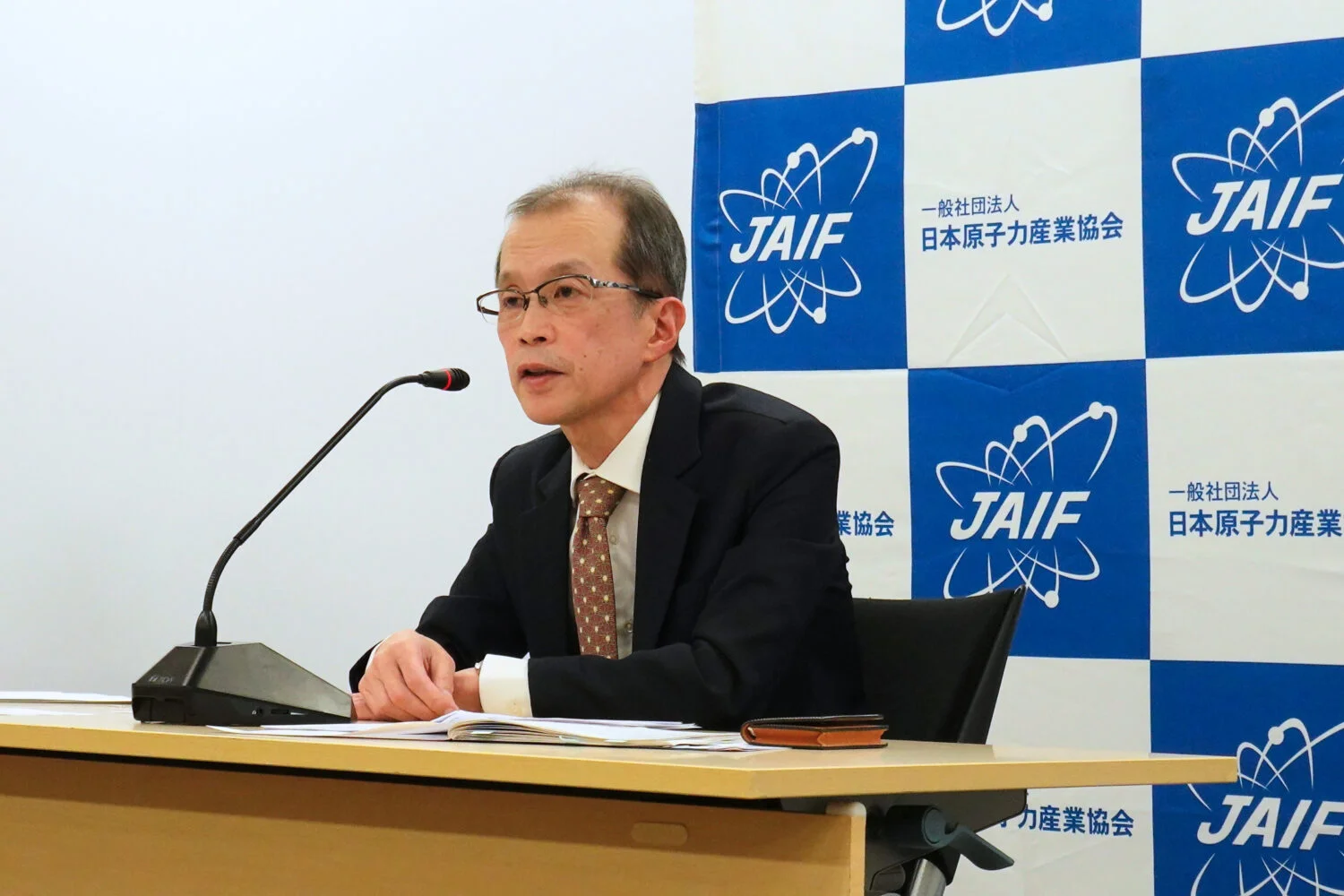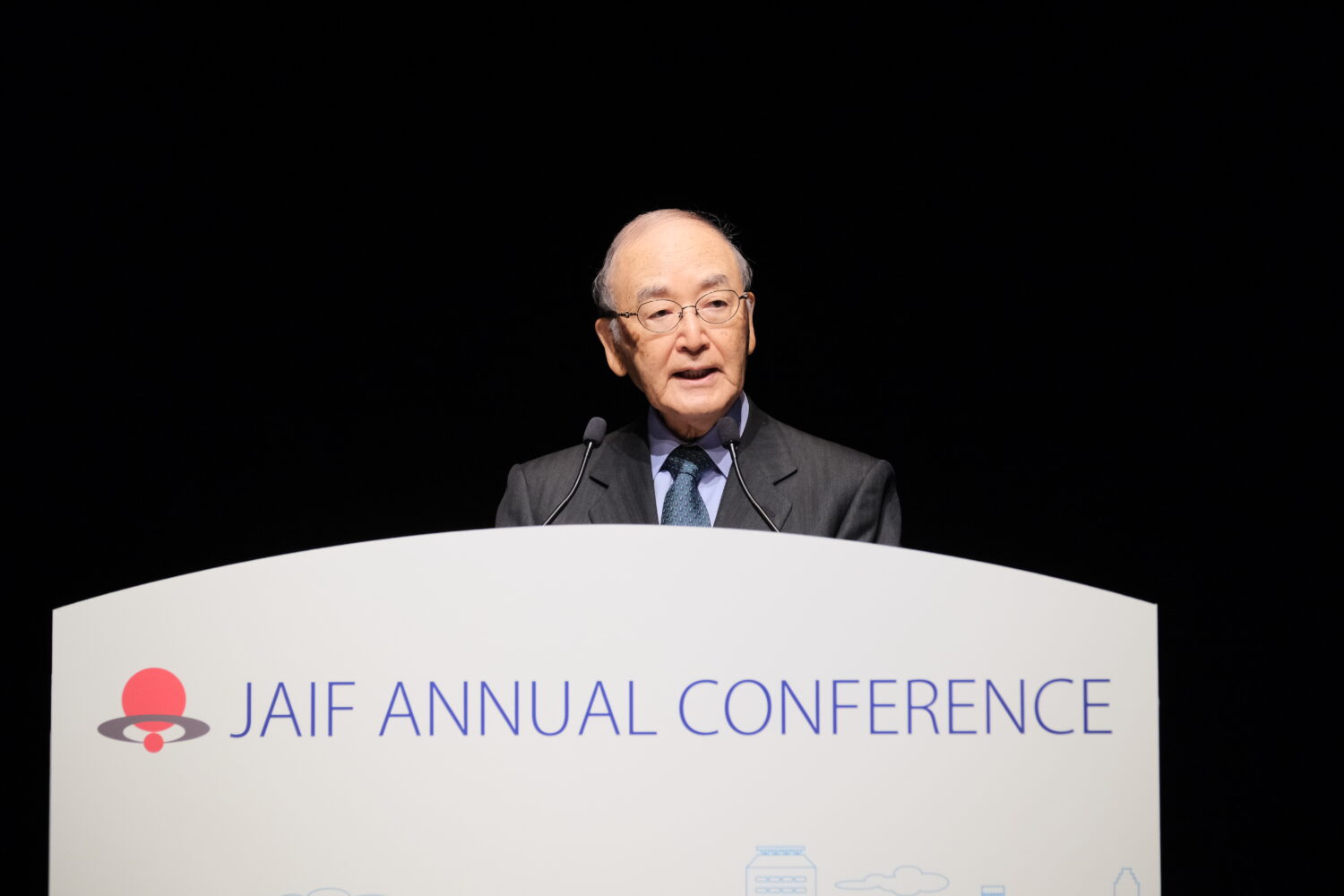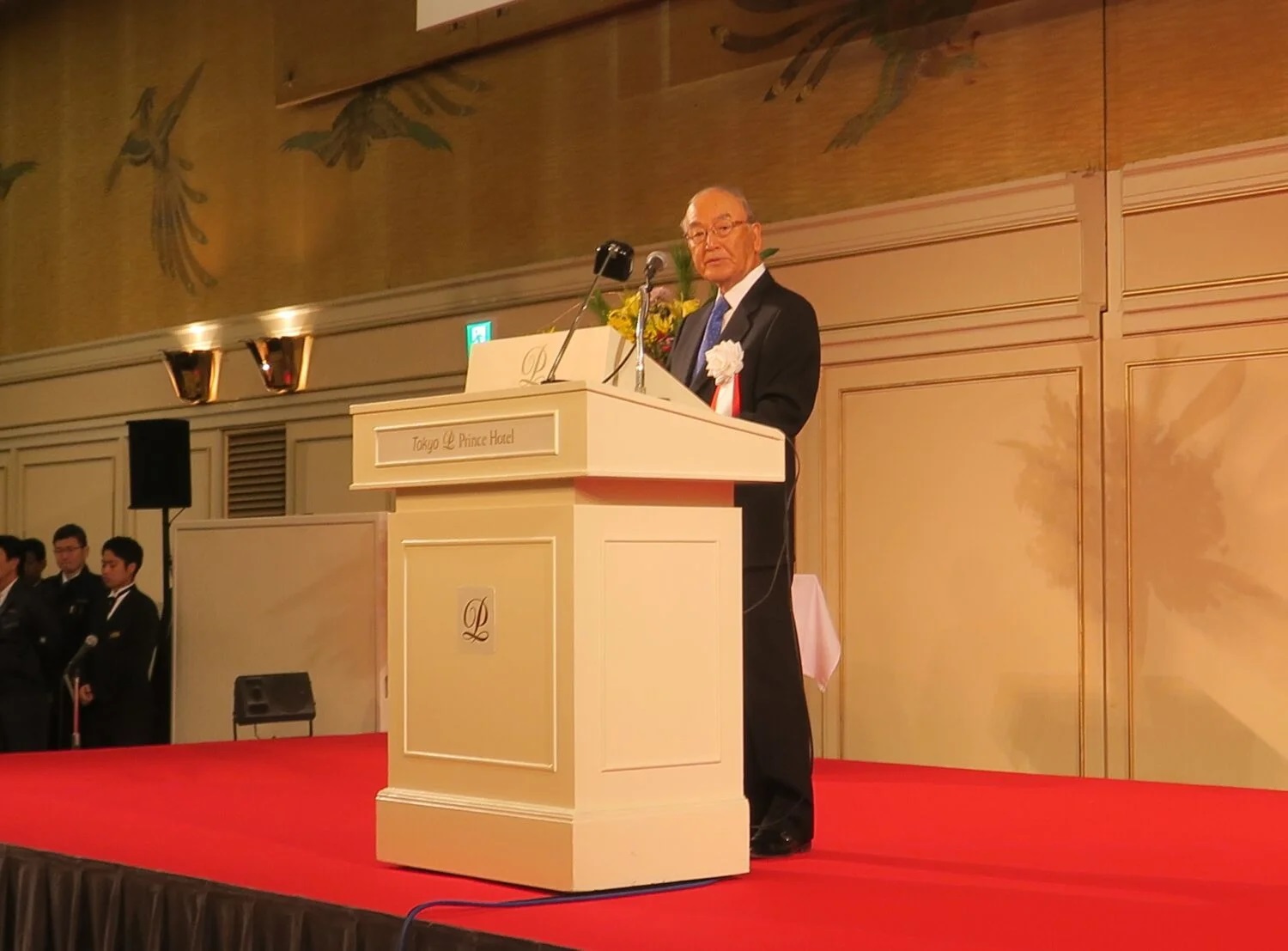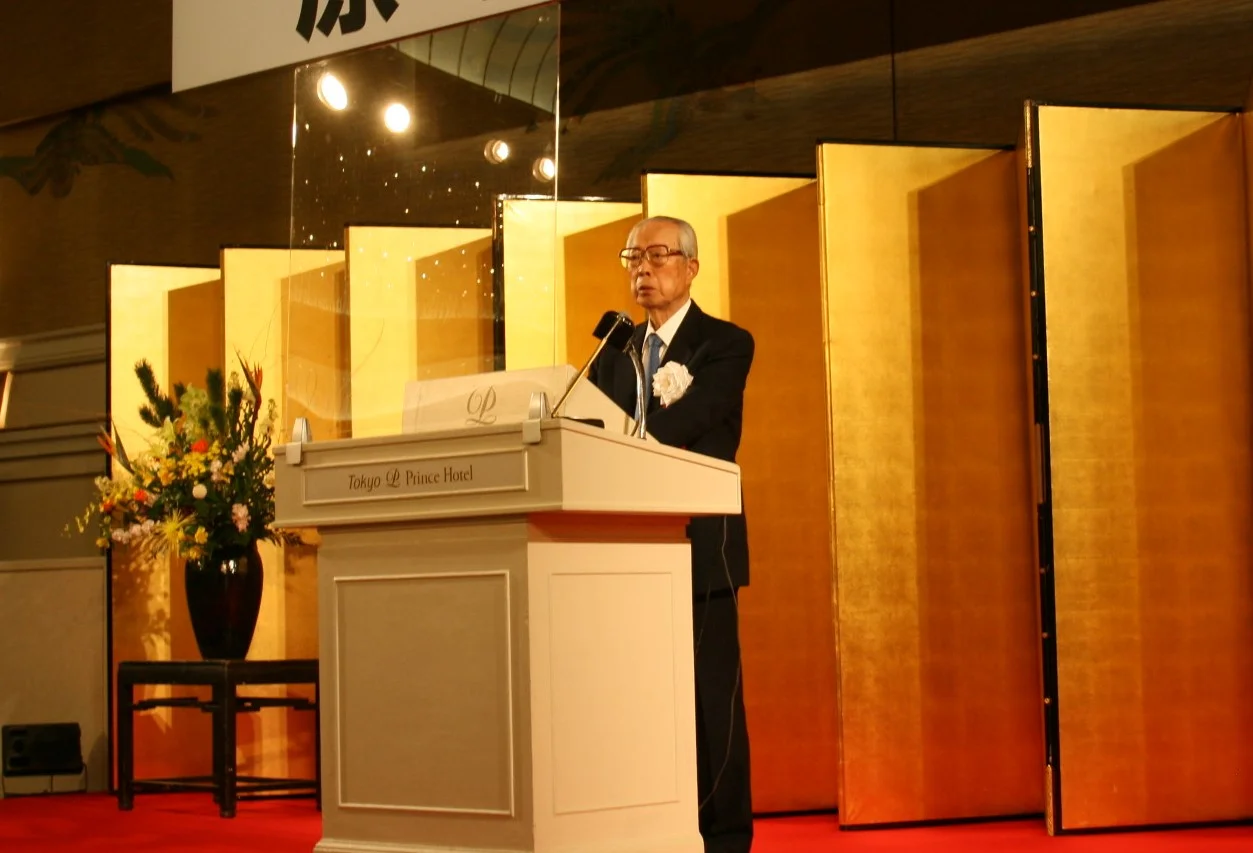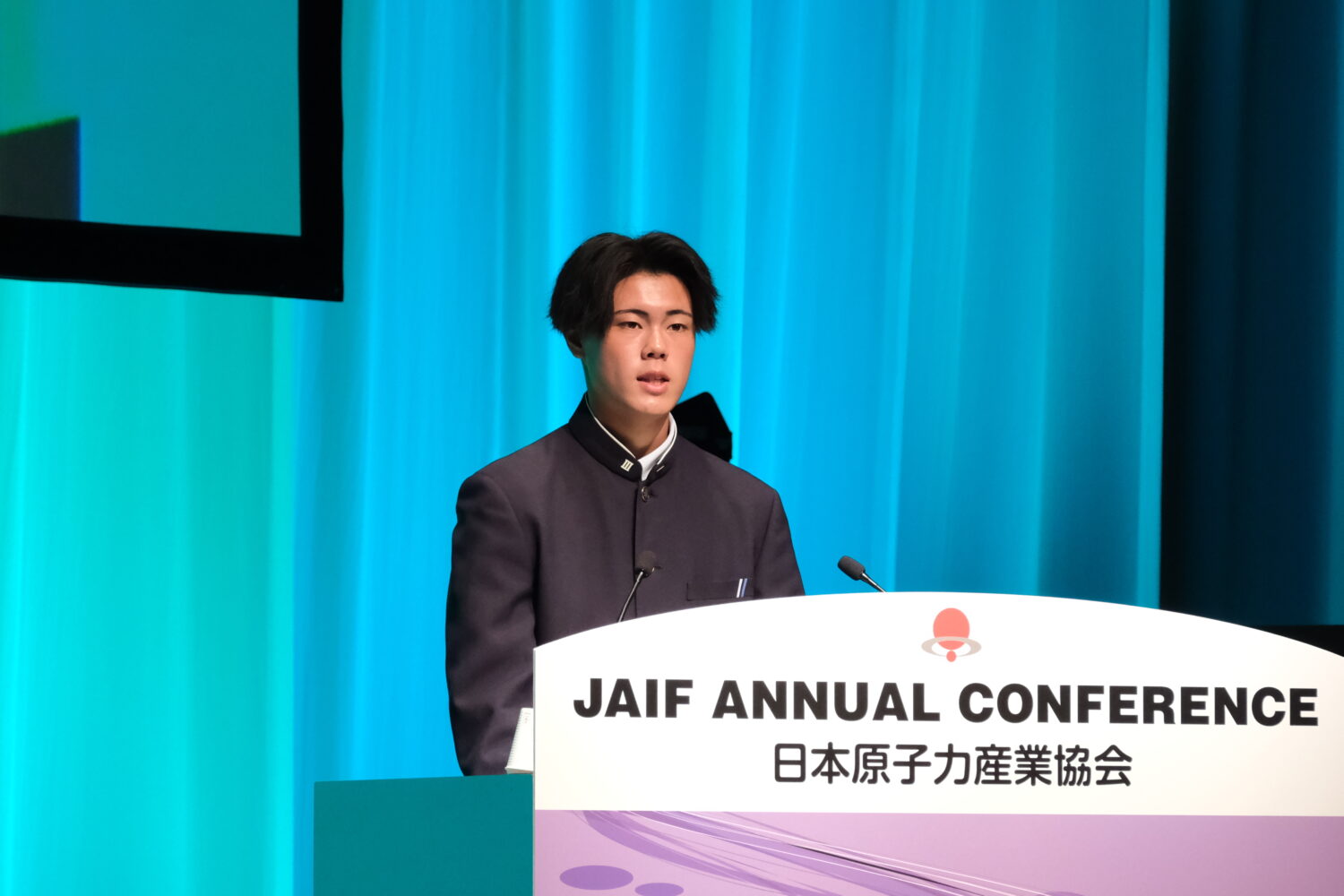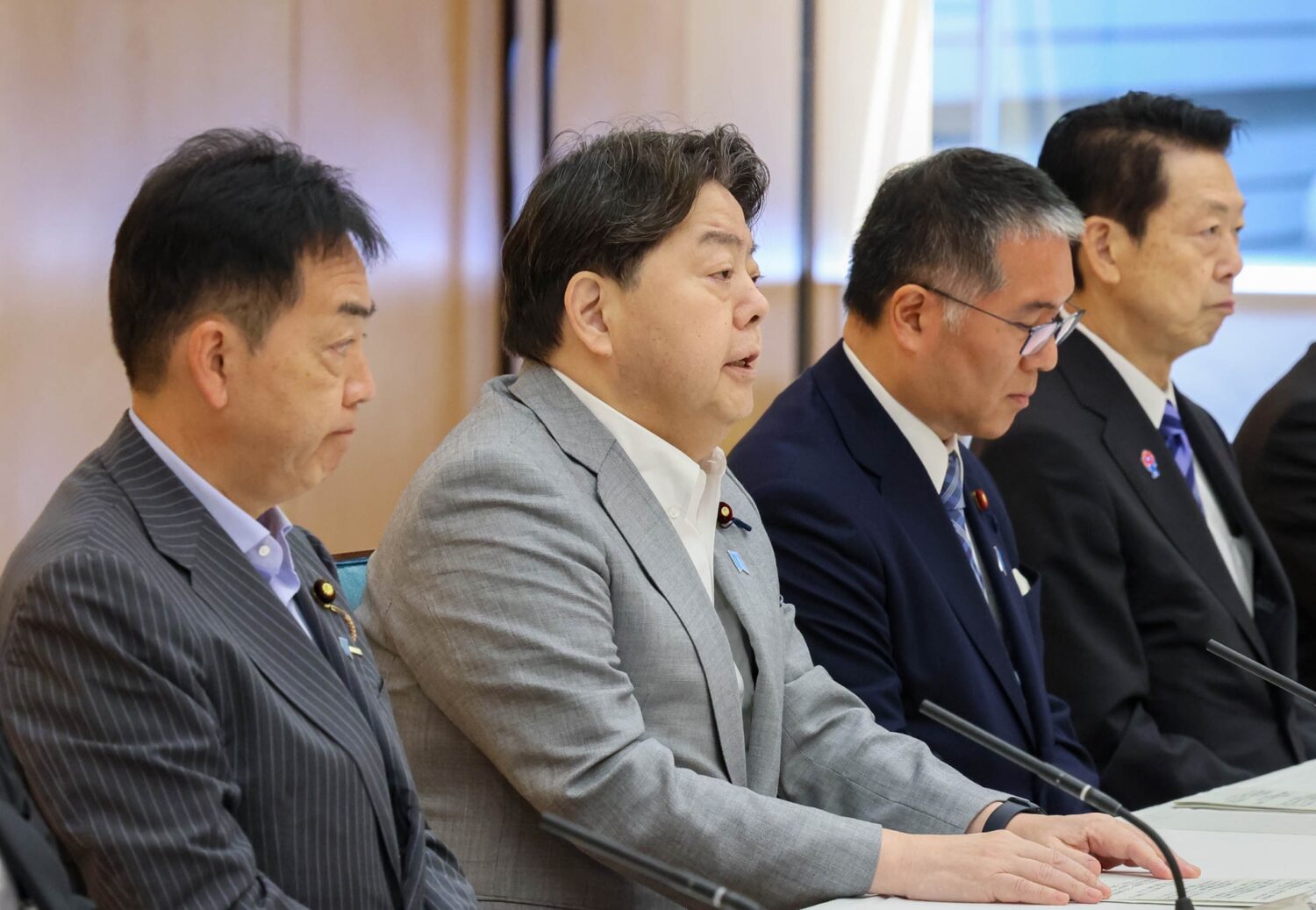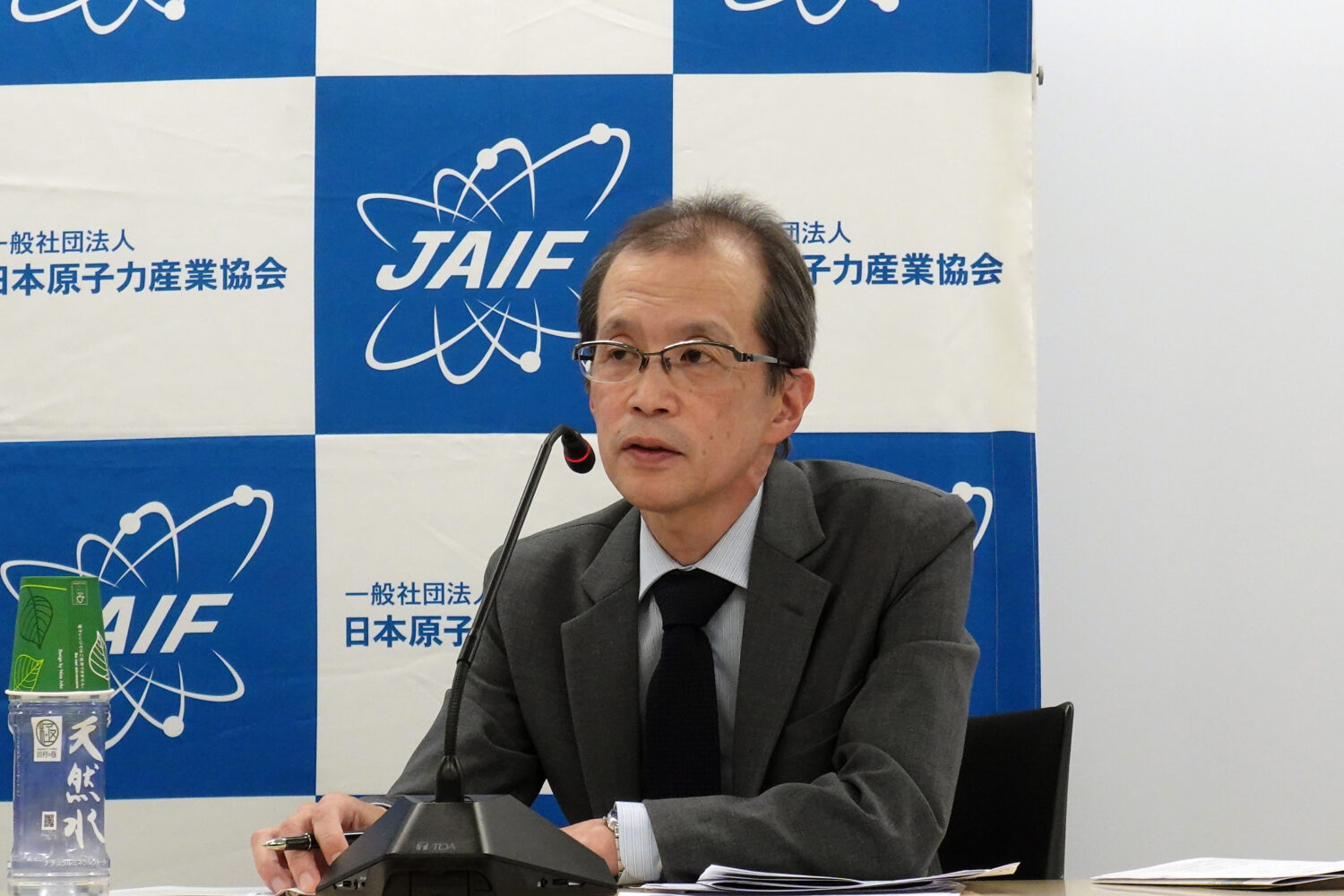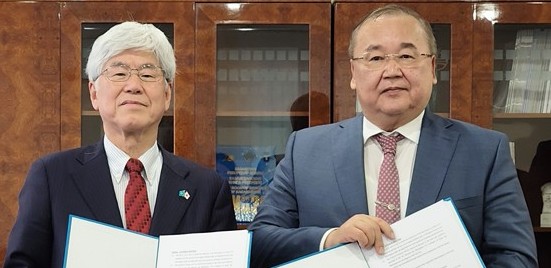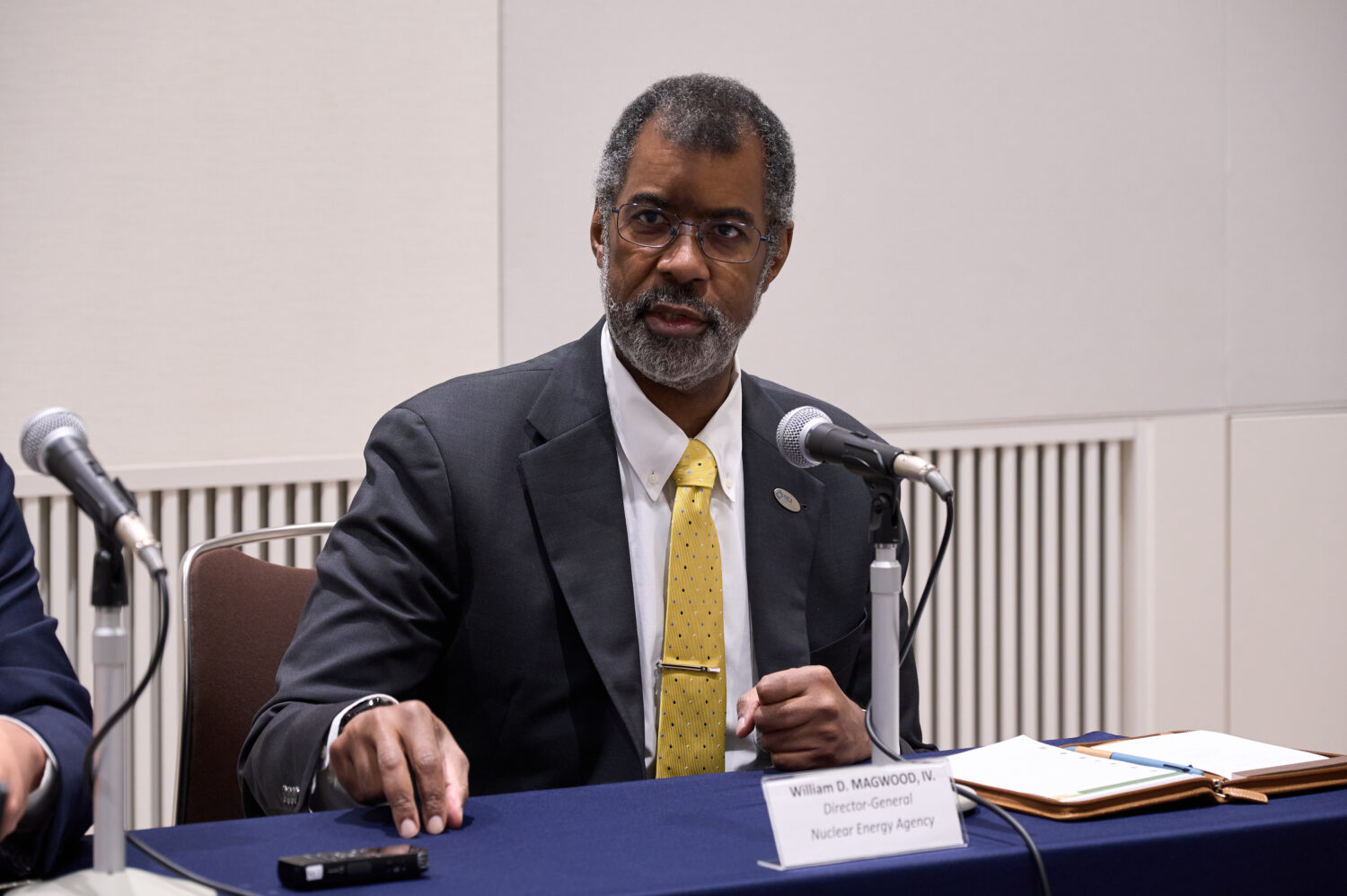

Speaking at a press conference during the 59th Annual Conference of the Japan Atomic Industrial Forum (JAIF) on April 15, Magwood emphasized that Japan’s nuclear manufacturing sector would play a critical role in supporting the next phase of global nuclear expansion. “I do believe that the Japanese nuclear industry is much stronger today than it was before,” he said, referring to the NEA’s country-specific safety culture forum conducted in Japan approximately two years ago. According to Magwood, the initiative gave the agency “a very strong view of the current state of safety culture in Japan,” adding that the NEA was “extremely impressed with the progress that has been made over the last several years.”
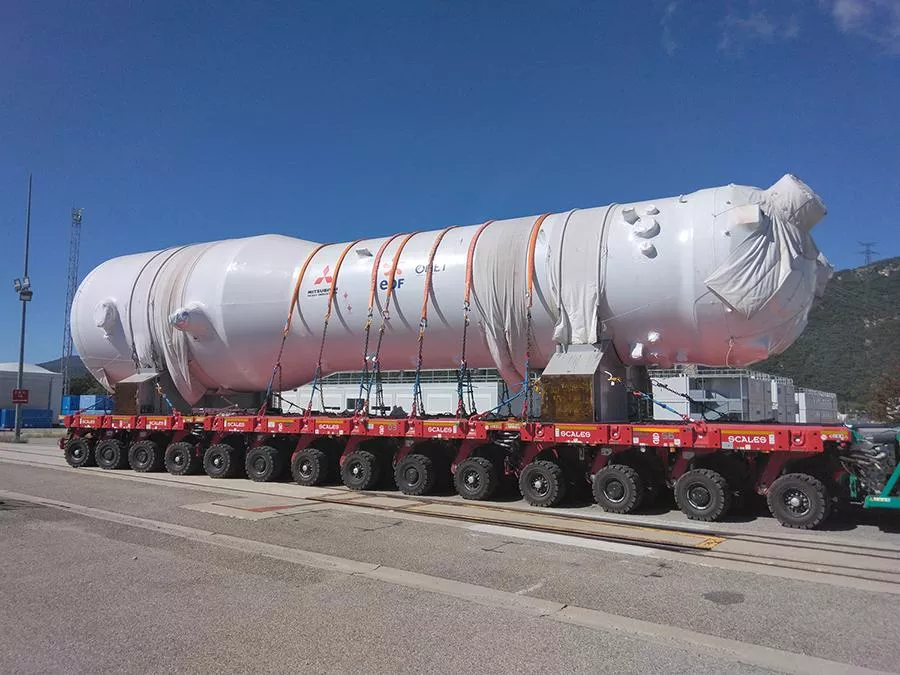
Magwood noted that as more countries return to nuclear energy, dependence on Japan’s manufacturing expertise is expected to increase significantly. “It is very clear that the expertise in the Japanese manufacturing sector is going to be relied on very heavily,” he said, pointing in particular to large nuclear components such as pressure vessels and steam generators, as well as balance-of-plant equipment including turbine generators. At the same time, however, he expressed concern that global manufacturing capacity may not be large enough to meet the demand expected to emerge over the coming decade. “When I talk to ministers in different countries, I usually hear that they plan to see new nuclear plants by the mid-2030s,” he said. “But when we look at the current capacity globally, it is not sufficient to support that level of development.”
He added that manufacturers would need to make significant investments to expand production capacity, while many companies remain hesitant due to lingering uncertainty over whether the expected market growth will fully materialize. “Many of them are waiting for clear signals that this new market really is going to develop,” he said. Magwood also highlighted the high level of confidence international industry players place in Japanese companies. “I know for a fact that when our companies begin thinking about these issues, one of the first things they do is call their colleagues in Japan,” he said.
Workforce shortages becoming a structural challenge
Human resources emerged as another central theme of the press conference. Magwood warned that OECD countries are facing growing difficulties in maintaining sufficient numbers of young people entering science and technology fields to replace retiring workers. “In OECD countries today, there are simply not enough people coming into science and technology sectors to make up for the retirements,” he said, stressing that Japan faces particularly severe long-term demographic challenges due to declining birth rates. For that reason, the NEA plans to conduct several workforce-related activities in Japan this year, including an international mentoring workshop for high school students in Tokyo and a second national nuclear education workshop later in 2026.
Magwood also noted that younger generations in Japan appear to view the Fukushima Daiichi accident differently from previous generations. Reflecting on recent workshops with Japanese high school students, he said many students now approach Fukushima primarily from an academic perspective rather than an emotional one. “They see it as something to learn from, not something to fear,” he said.
SMRs face “uncertainty” rather than cost alone
The NEA chief also discussed the challenges facing small modular reactors (SMRs), arguing that uncertainty — rather than cost alone — remains the largest barrier to deployment. “The real challenge is the uncertainty associated with nuclear projects,” he said. According to Magwood, first-of-a-kind projects inevitably involve significant risks, making it difficult for conventional companies to absorb the financial exposure associated with early deployment. In that context, he suggested that large technology companies such as Microsoft and Google could play an important role as “first movers” willing to accept those risks. “These very wealthy IT companies have the resources to take those risks,” he said, adding that once first-of-a-kind projects are completed successfully, commercial competitiveness could improve substantially. The NEA currently tracks approximately 127 advanced reactor and SMR projects worldwide through its SMR dashboard initiative, although Magwood acknowledged that not all of them would ultimately succeed.
Concerns over wartime protection of nuclear facilities
The press conference also addressed nuclear security risks associated with the war in Ukraine. While emphasizing that nuclear facilities are “extraordinarily robust,” Magwood argued that the current international framework for protecting nuclear facilities during armed conflict remains insufficient. “I believe that the experience in Ukraine has highlighted to everyone that there are gaps in the current regime,” he said. Although he said he was not aware of any active international effort to establish a new convention on the issue, he suggested that future international discussions and agreements would likely become necessary. At the same time, Magwood stressed that many lessons from the Fukushima Daiichi accident had already been incorporated into nuclear safety practices worldwide.
Fukushima cleanup requires patience and long-term commitment
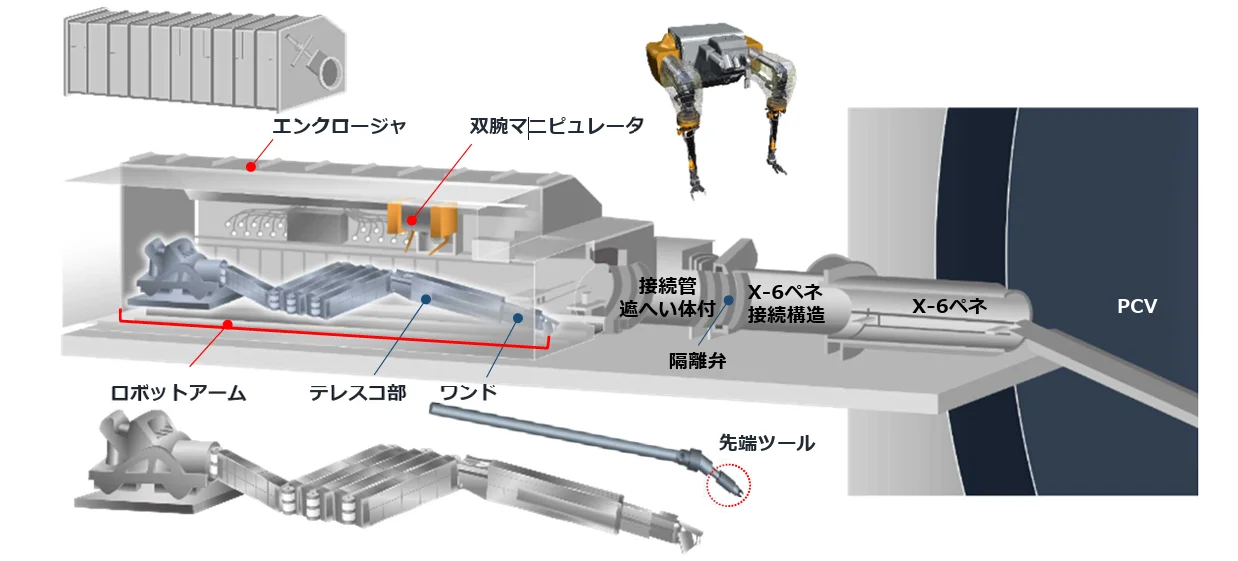
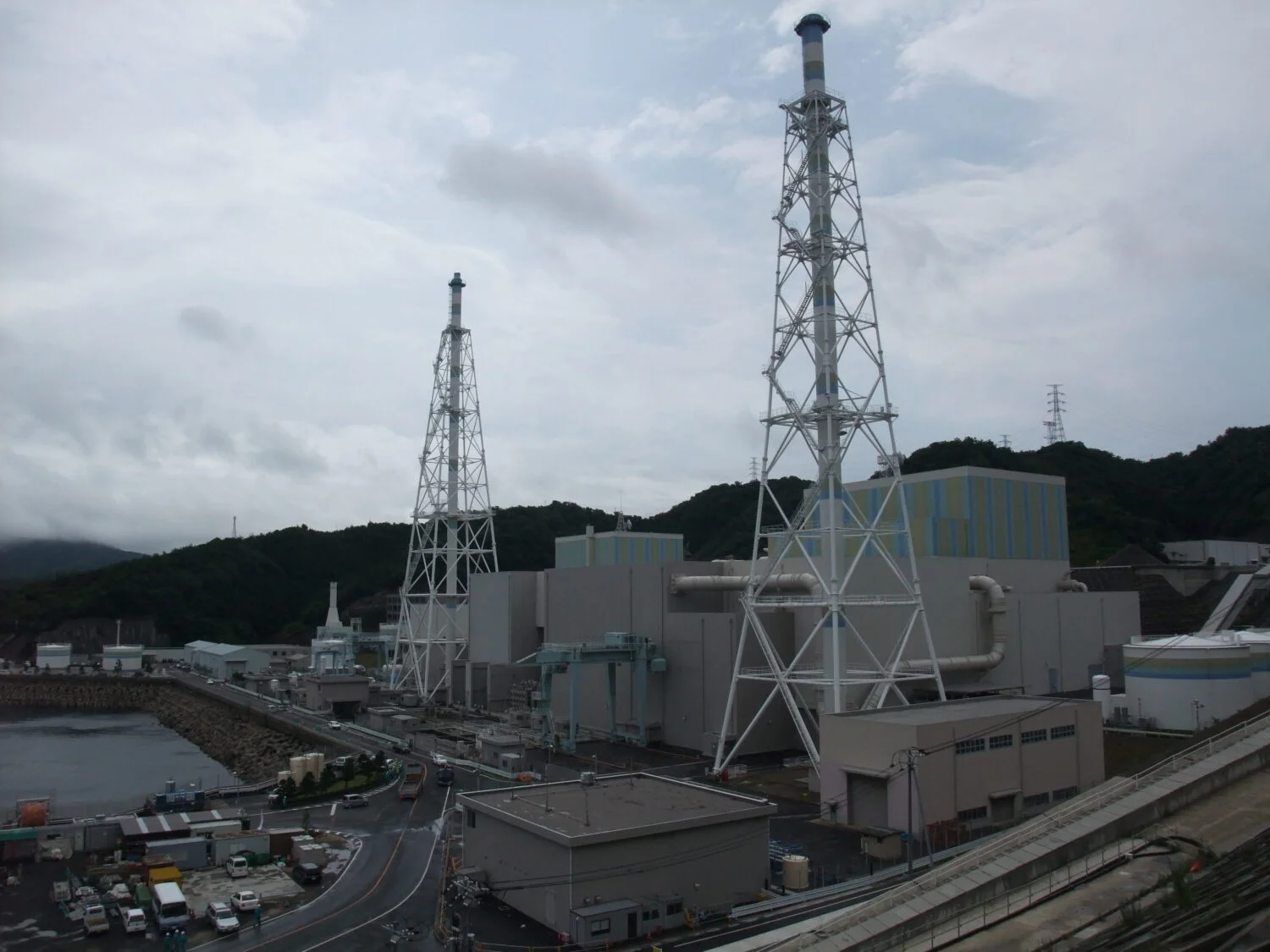
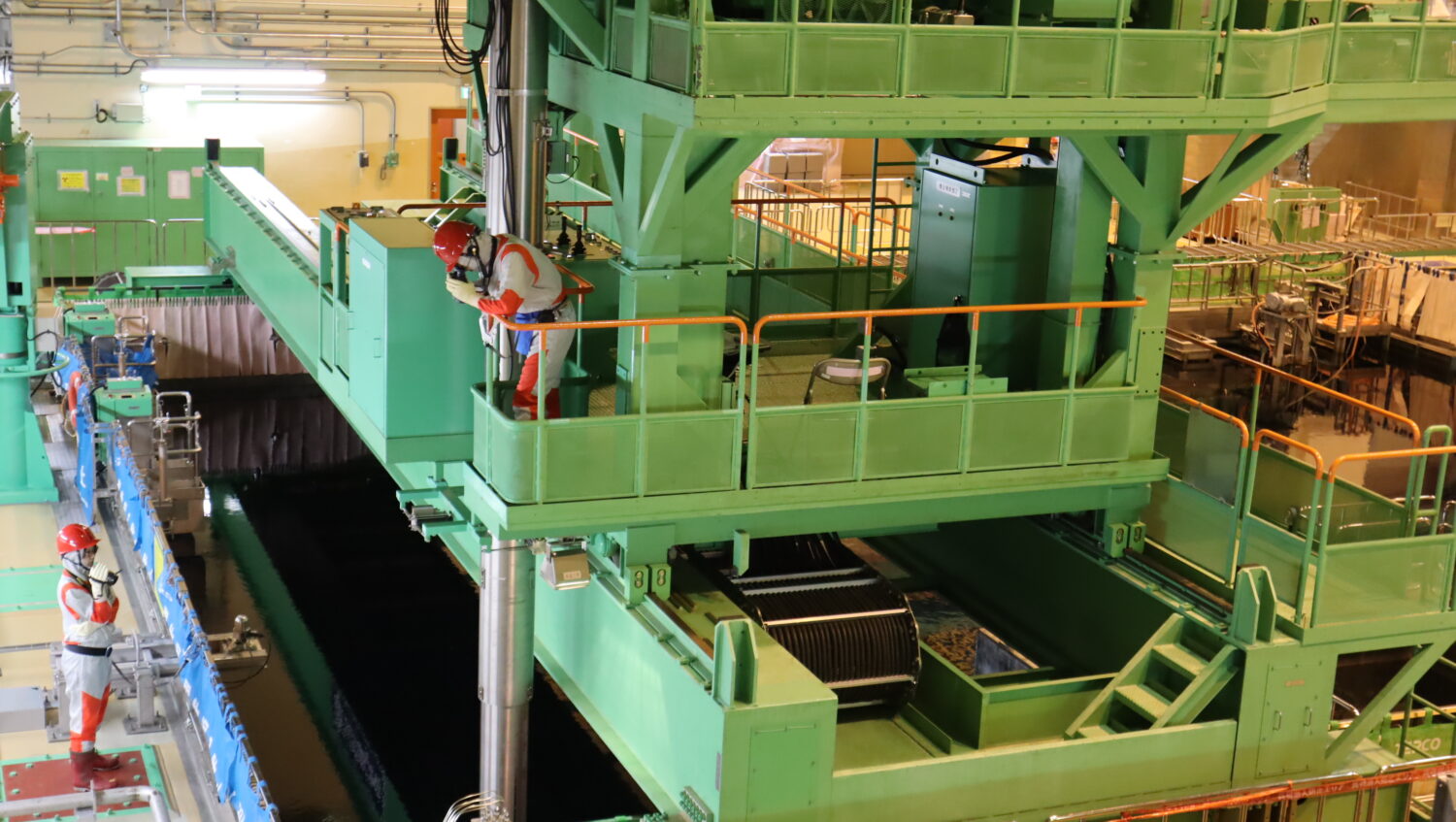
Regarding decommissioning efforts at Fukushima Daiichi, Magwood said that many of the immediate safety risks that existed after the accident had already been reduced or eliminated. However, he emphasized that large-scale environmental cleanup and decommissioning efforts inevitably require decades to complete, referring to cleanup activities at the Sellafield site in the United Kingdom and the Hanford site in the United States, both of which have already continued for decades and are expected to require decades more. “Cleanup activities like Fukushima Daiichi always take a long time,” he said. Magwood also stressed that some aspects of Fukushima decommissioning require entirely new technological approaches to solve unprecedented problems. Rather than criticizing the pace of progress, he said he would be more concerned if authorities attempted to move too quickly without careful analysis. “I’m very confident that the government and TEPCO are watching this process very carefully and moving in a step-wise fashion,” he said.