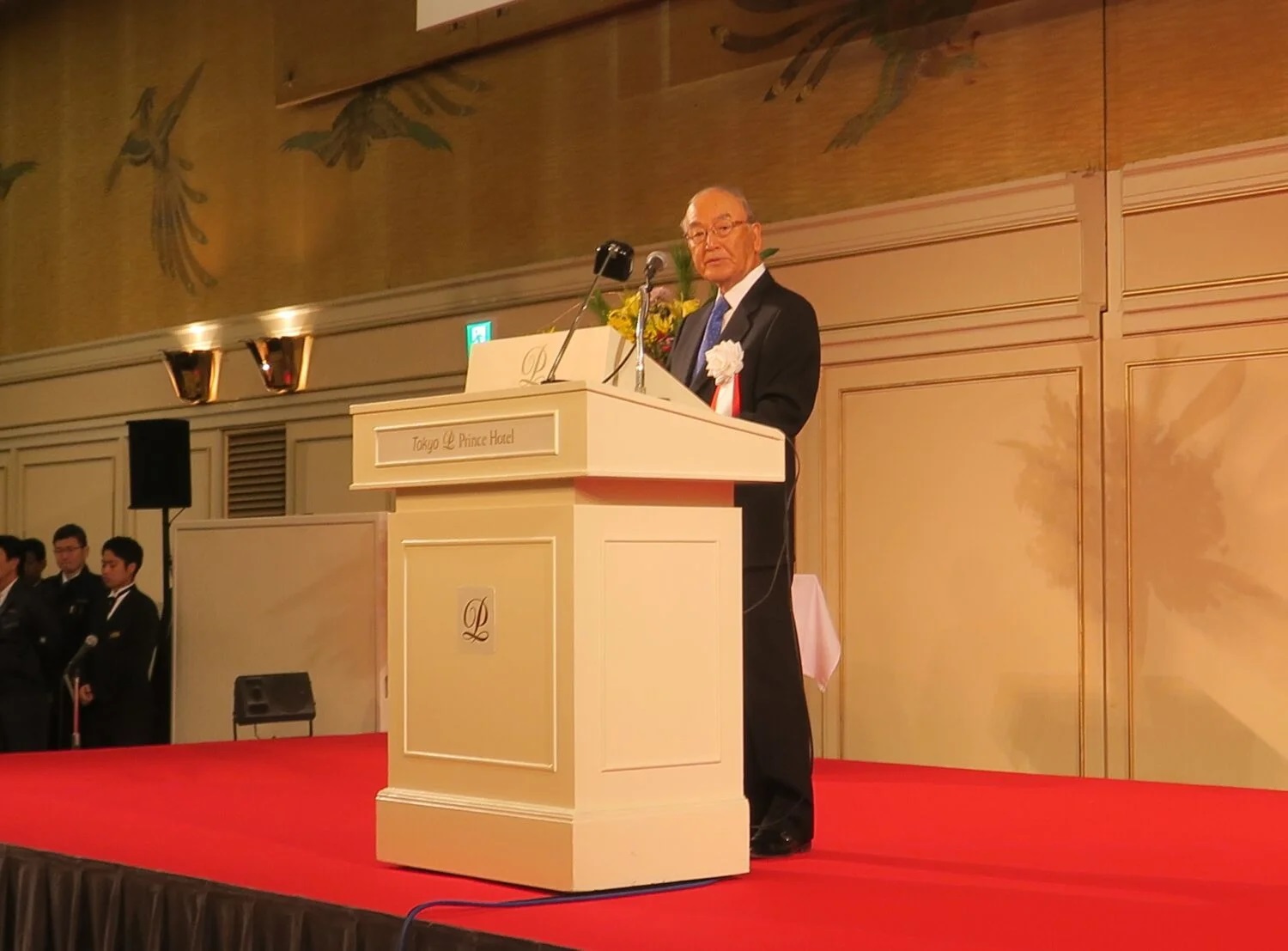

To clarify management responsibility, Chairman KATSUNO Satoru and President HAYASHI Kingo will step down effective 30 September. YASUI Minoru, currently a director and senior managing executive officer, will become president on 1 October.
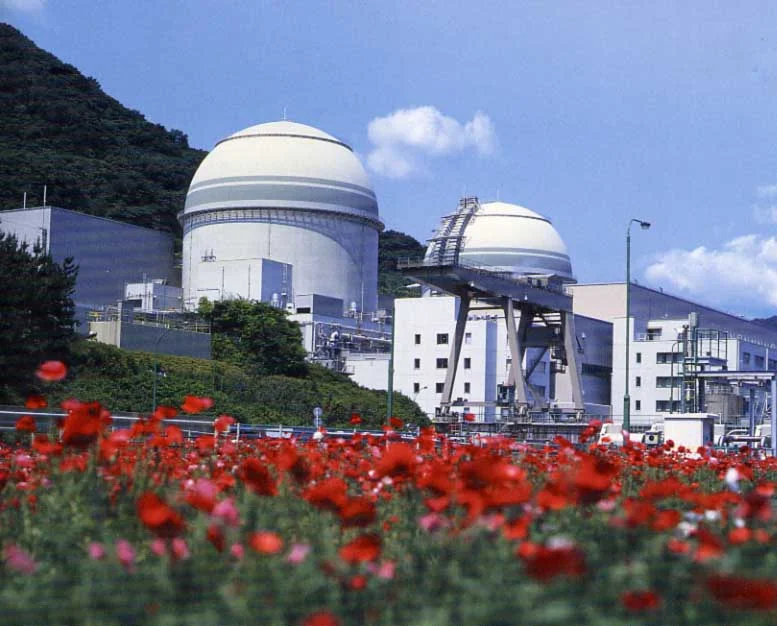
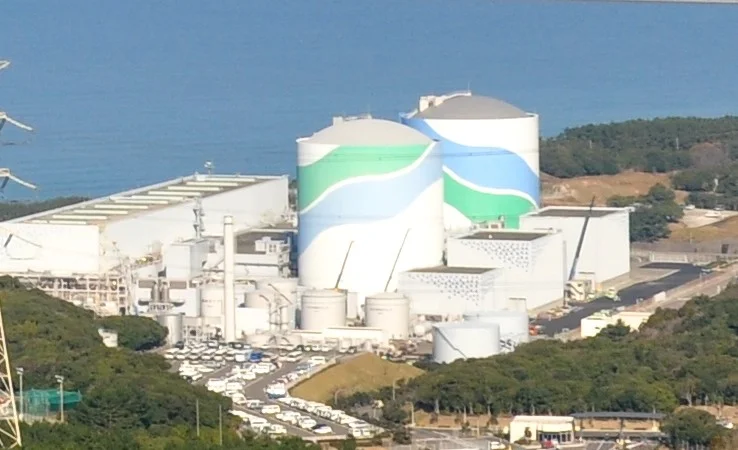
The company also decided to withdraw its applications for permission to amend the reactor installation licenses and other regulatory applications under Japan’s new regulatory requirements for Hamaoka Units 3 and 4 (BWRs, 1,100 MWe and 1,137 MWe, respectively).
In January 2026, amid efforts to restart the Hamaoka plant, Chubu Electric disclosed suspicions that it had selected representative seismic waves for the design basis ground motion evaluation using methods that differed from those explained at Nuclear Regulation Authority (NRA) review meetings, including methods that appeared to have been applied intentionally. The investigation committee subsequently conducted an inquiry into the matter.
According to the report, representative seismic waves used in the seismic evaluation and establishment of the design basis ground motion required for the reactor installation license amendment applications were selected arbitrarily rather than on the basis of quantitative criteria.
The report also found that supporting data purporting to document a selection method that had not actually been used were created after the fact, and that explanations inconsistent with what had actually occurred were provided to the NRA on multiple occasions.
The committee identified several underlying factors. These included what it described as a “self-developed theory of justification,” under which those involved justified their actions on grounds such as “there was no impact on safety” and “the approach was technically correct.” It also pointed to ineffective oversight resulting from the highly specialised nature of the work and weaknesses in the company’s internal checks and balances.
Chubu Electric proposed a range of measures to prevent a recurrence, including reforming corporate governance; establishing an organisation dedicated to reforming corporate culture; developing the next generation of personnel through measures such as rotations between divisions; introducing more diverse perspectives within its nuclear power division; conducting checks and reviews by external experts; strengthening internal audits; and improving its response to whistleblower reports.
The investigation committee also recommended regular technical audits by external experts and measures to ensure the independence of monitoring and oversight functions.
Regarding Hamaoka Units 3 and 4, Chubu Electric said it would give top priority to restoring trust before seeking to submit new applications.
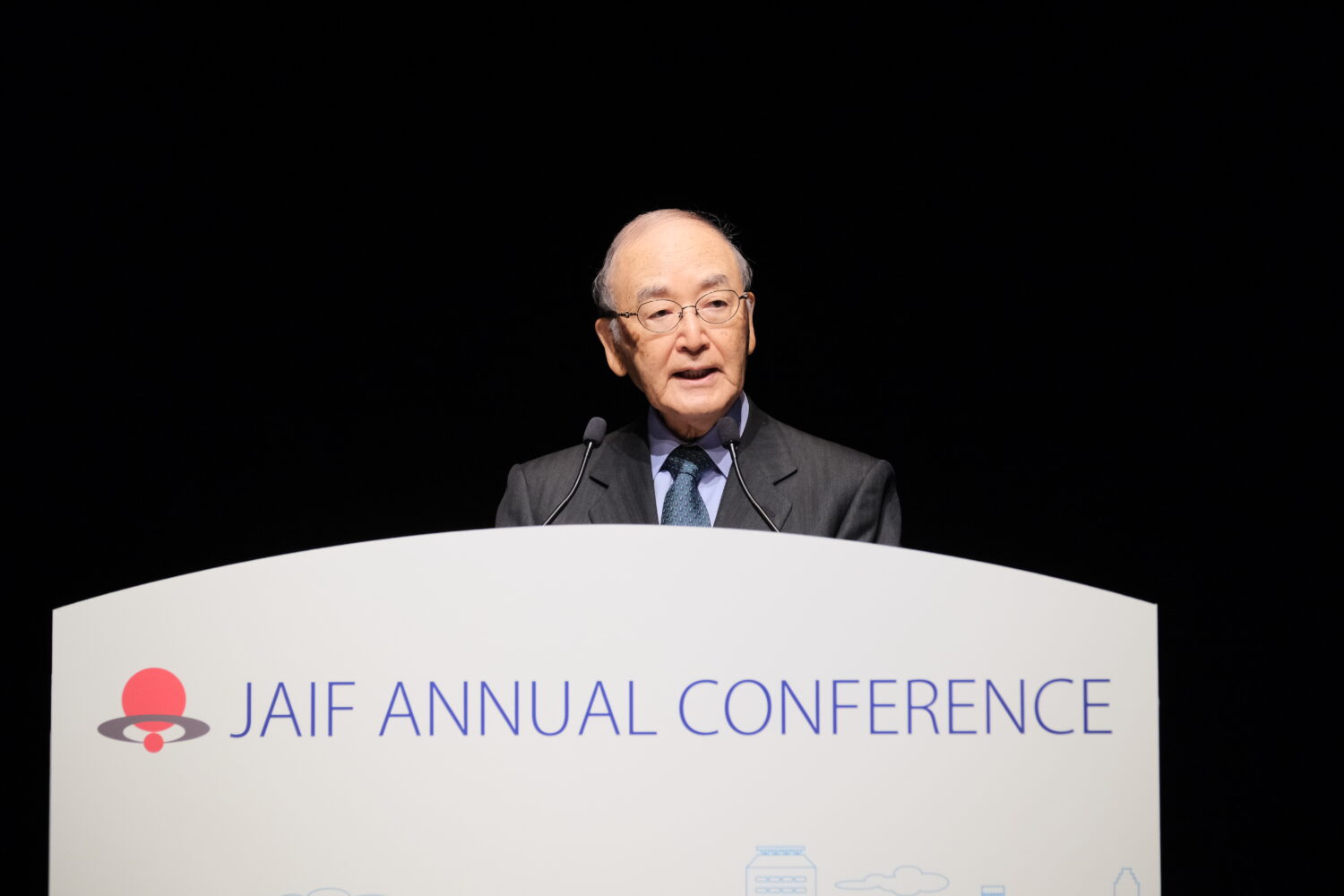
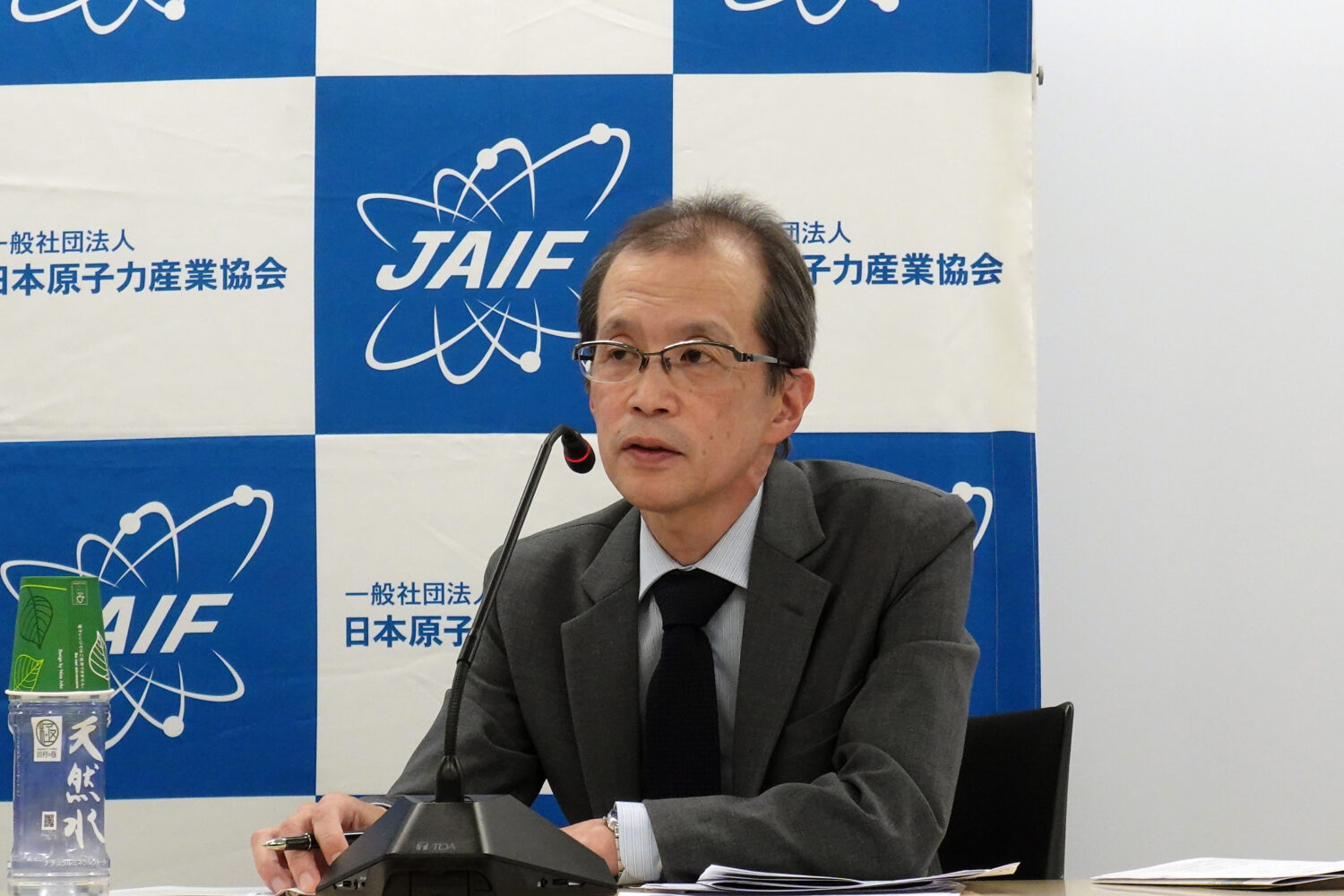
MASUI Hideki, president of the Japan Atomic Industrial Forum (JAIF), said: “Compliance and ensuring safety are fundamental prerequisites for the nuclear power business, and JAIF takes this matter extremely seriously. We will work together with our member companies and related organisations to restore public trust.”