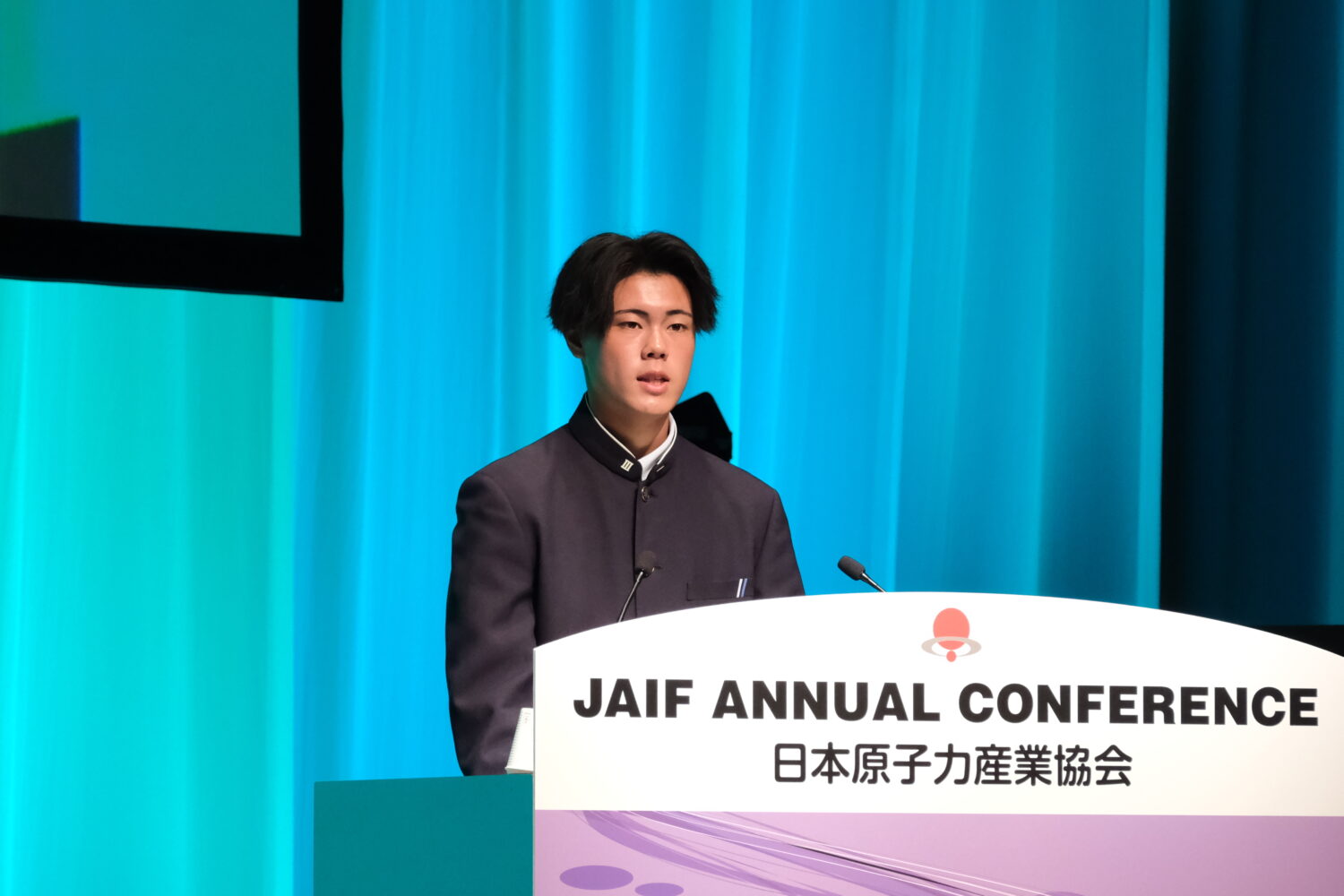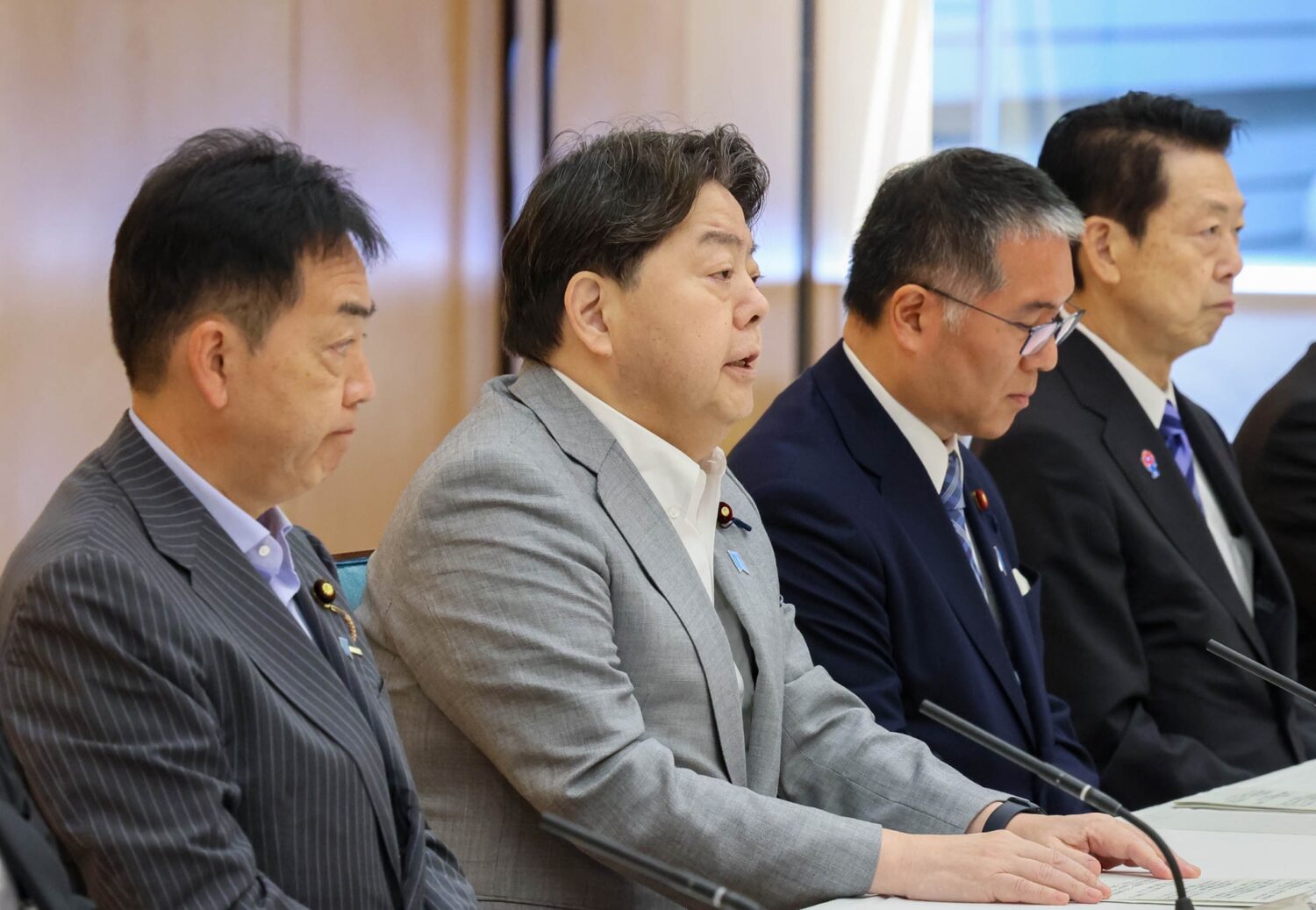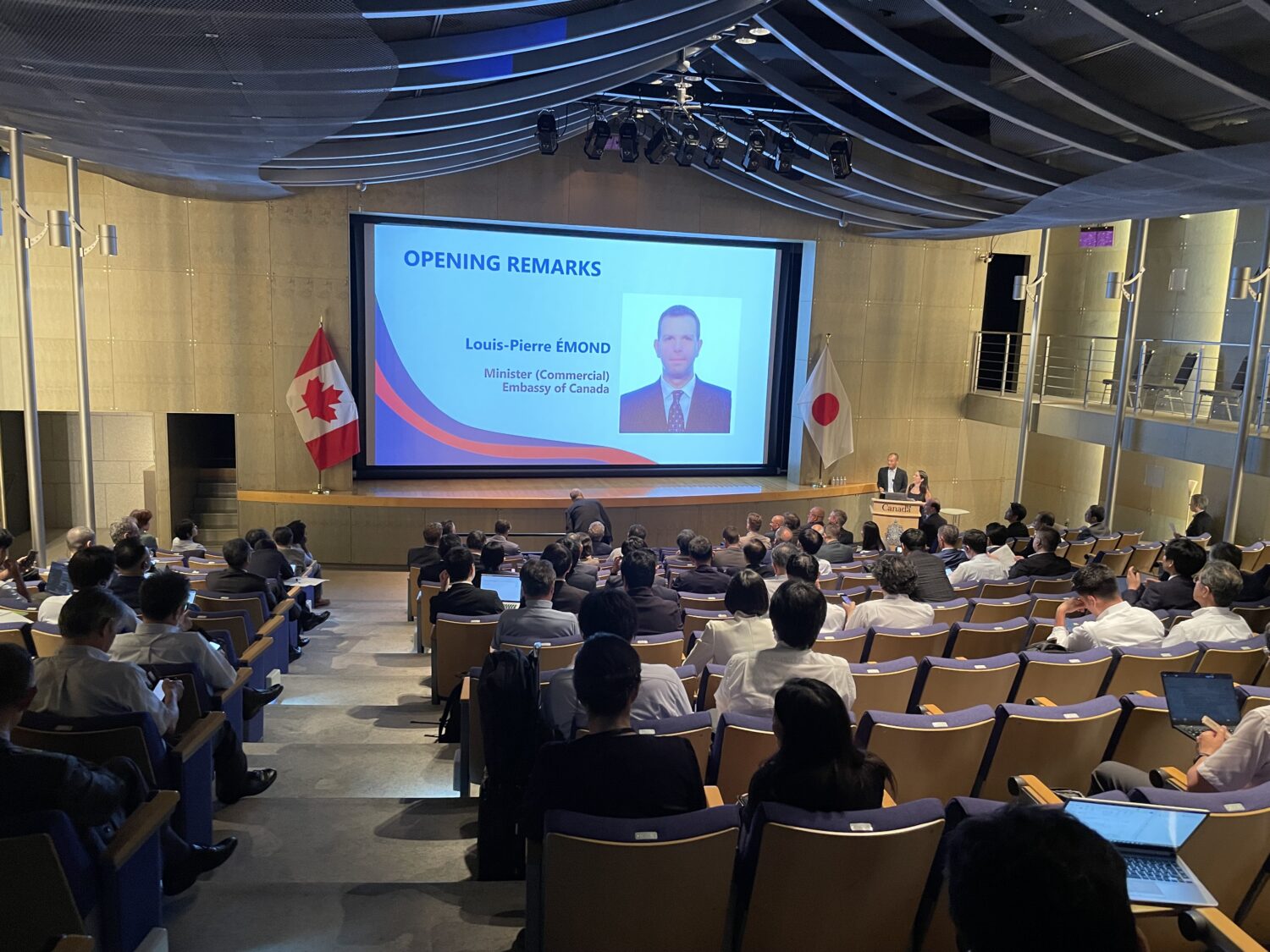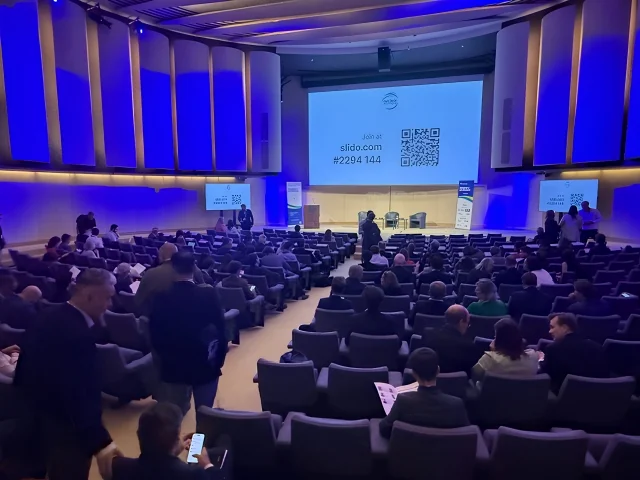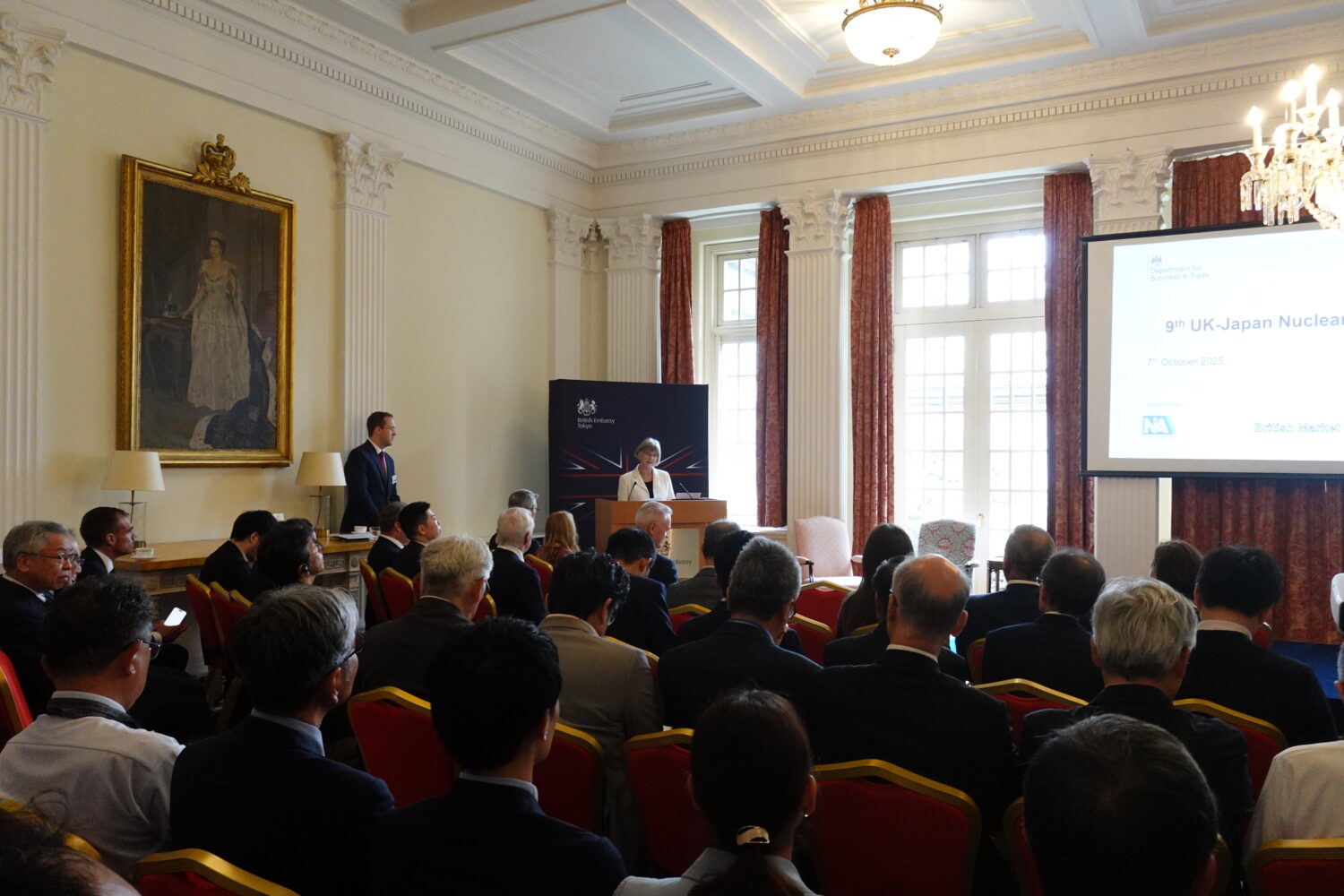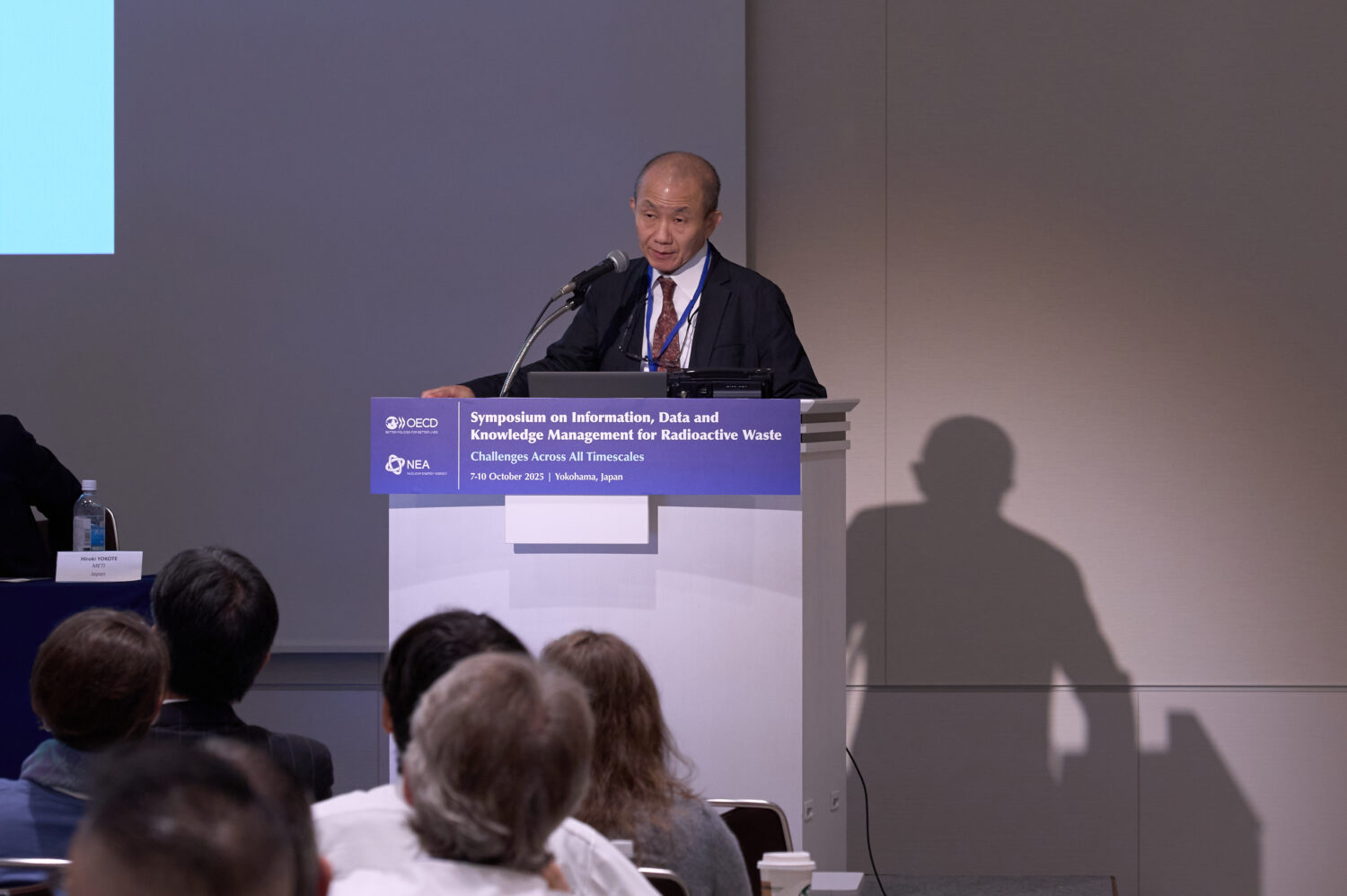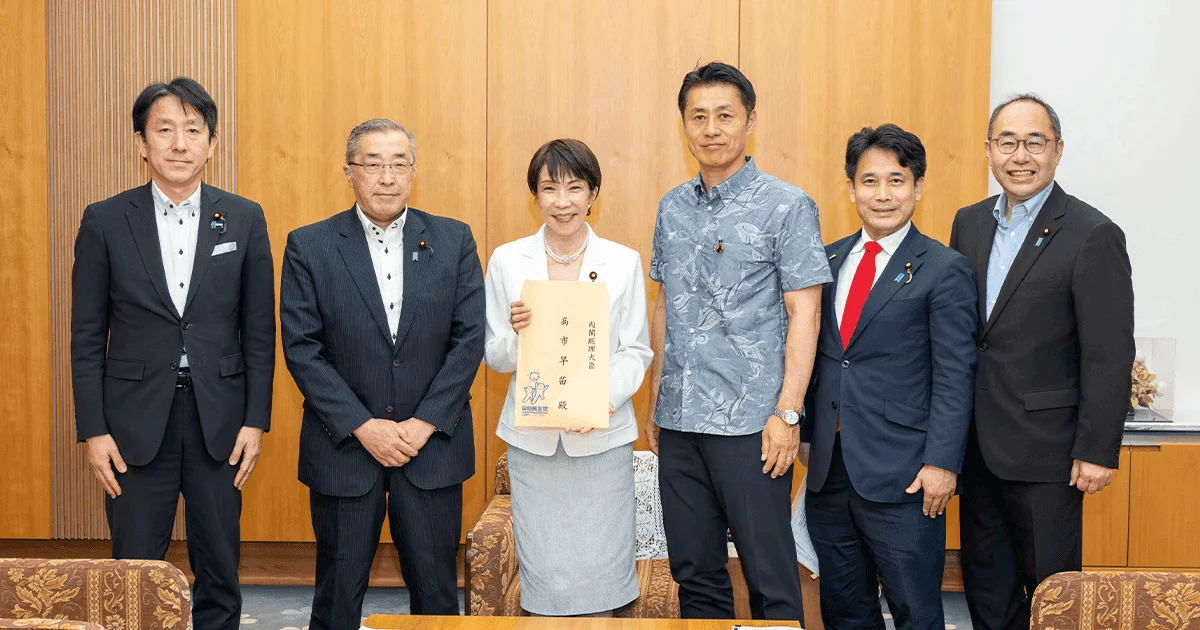

While placing a strong focus on workforce challenges, this year’s conference is also the first to be co-hosted with the OECD Nuclear Energy Agency (OECD/NEA). Incorporating international perspectives, participants are engaging in discussions on the current status and challenges of securing and developing human resources, as well as on strengthening collaboration among industry, academia, and government to address these issues.
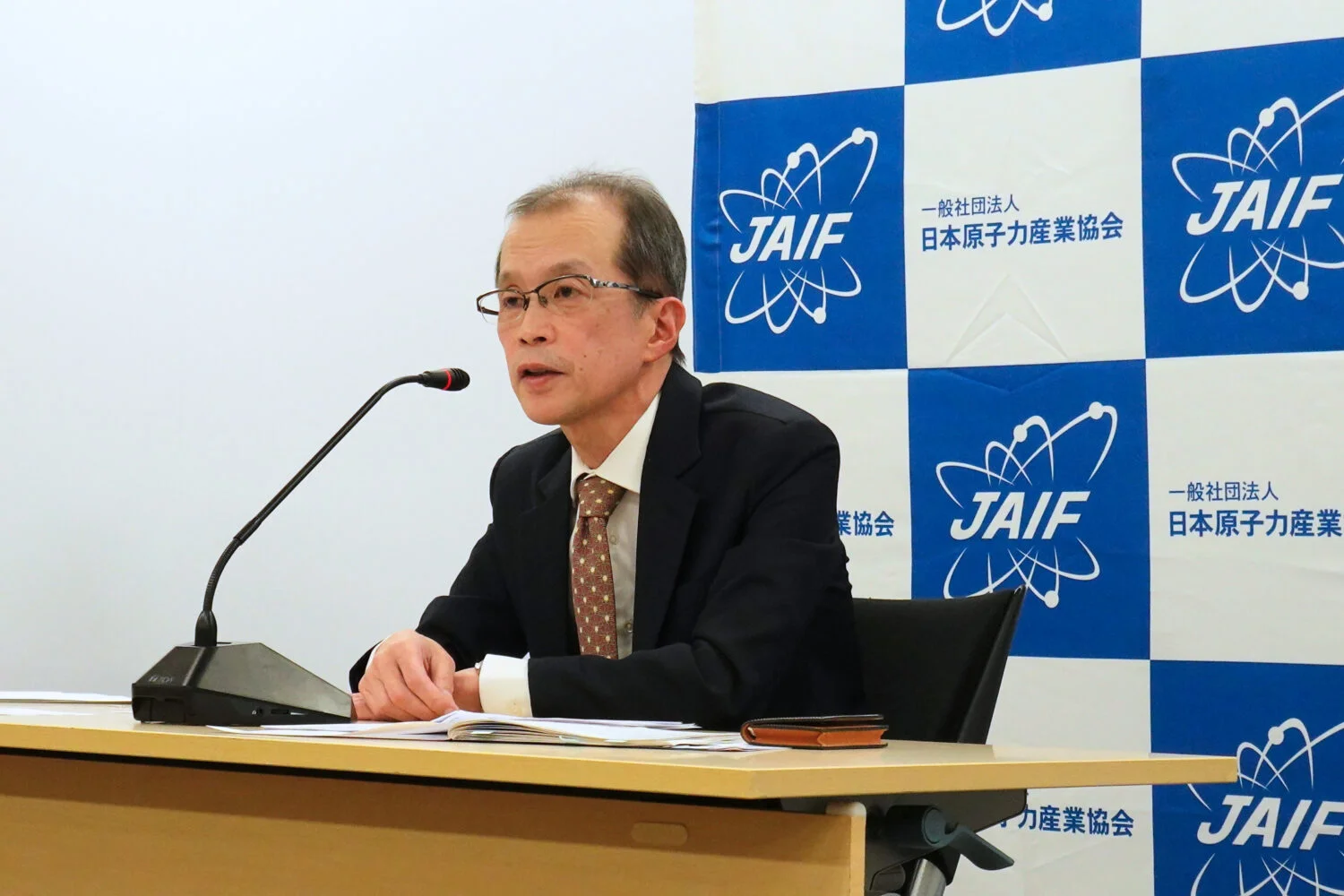
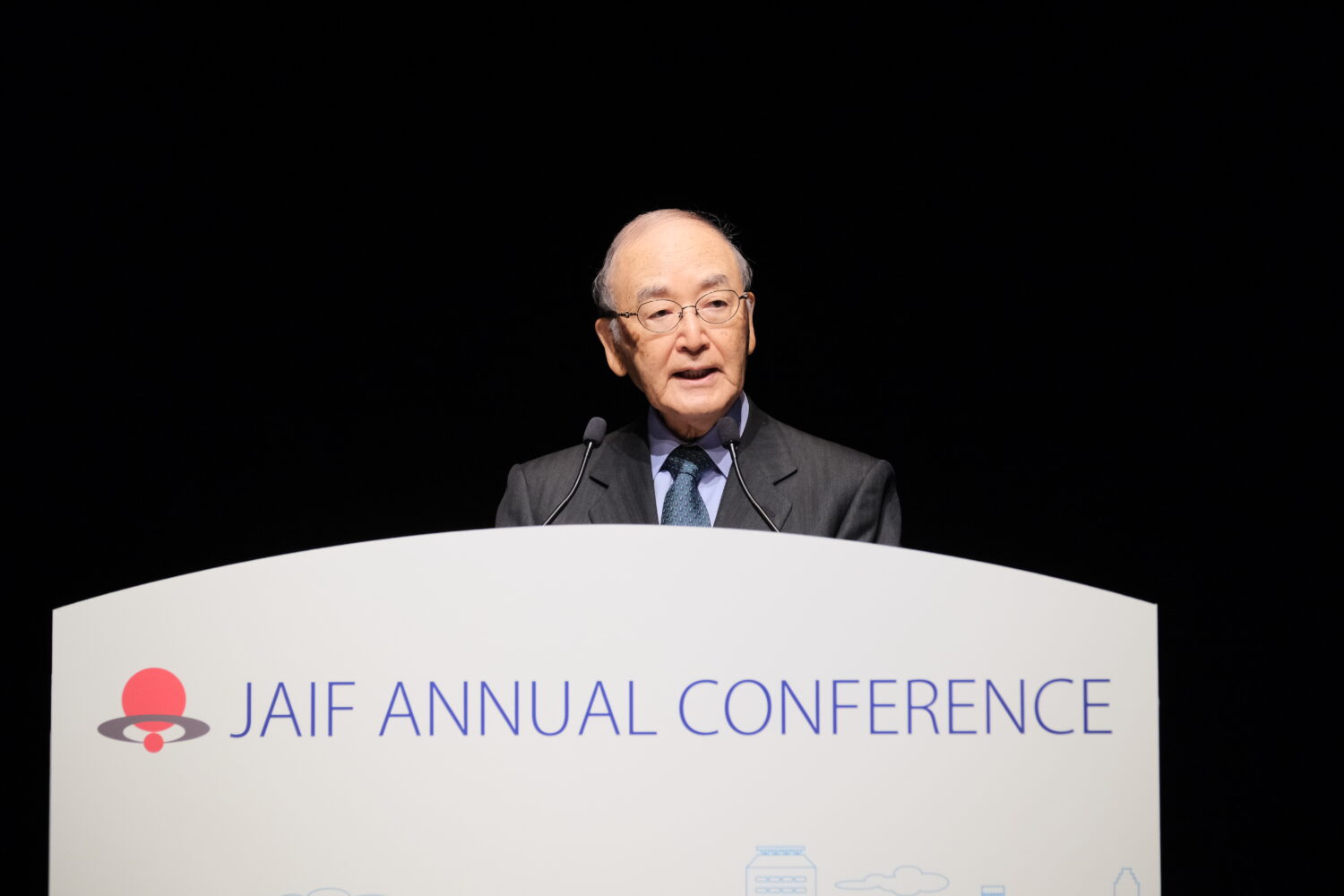
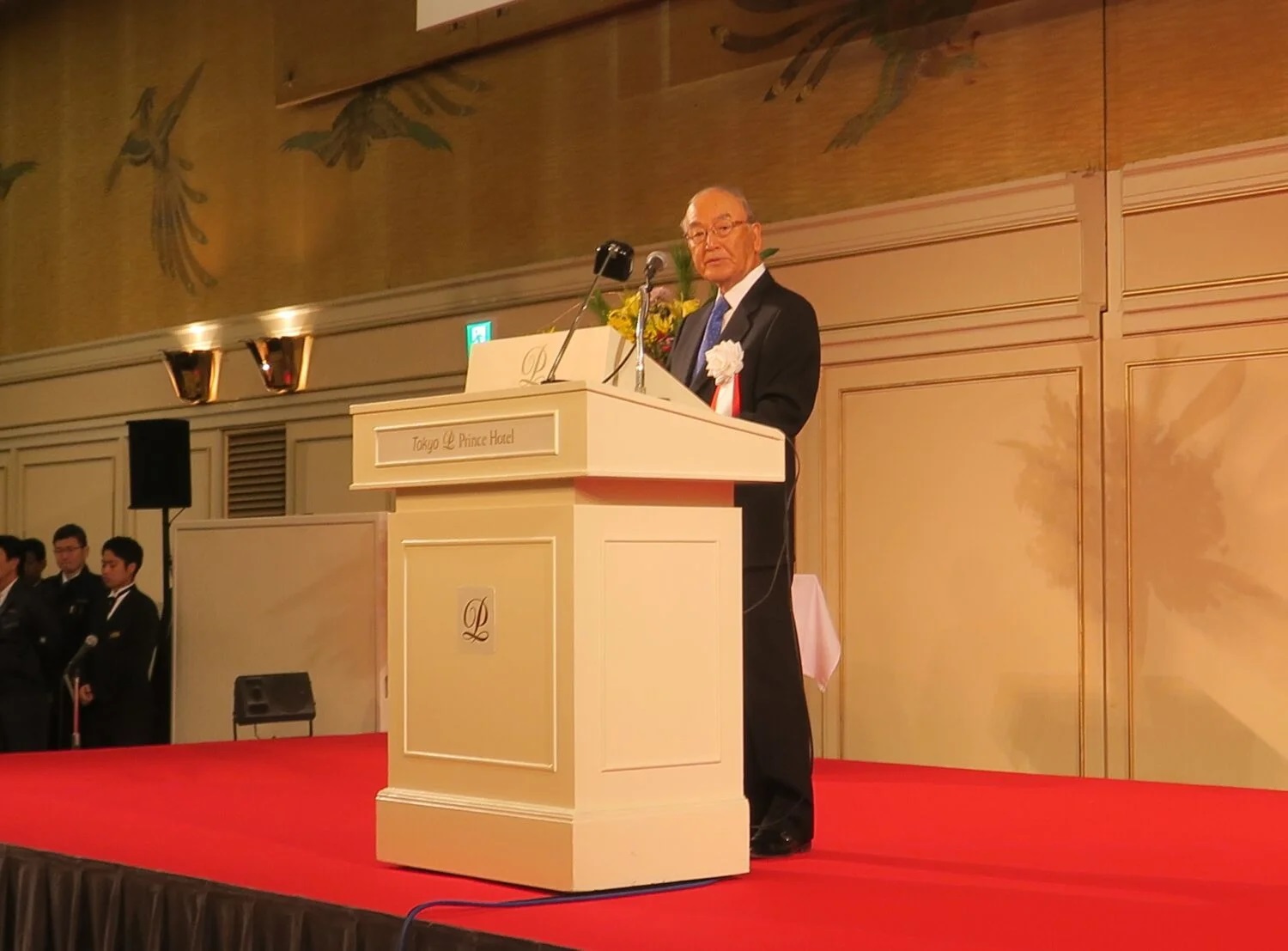
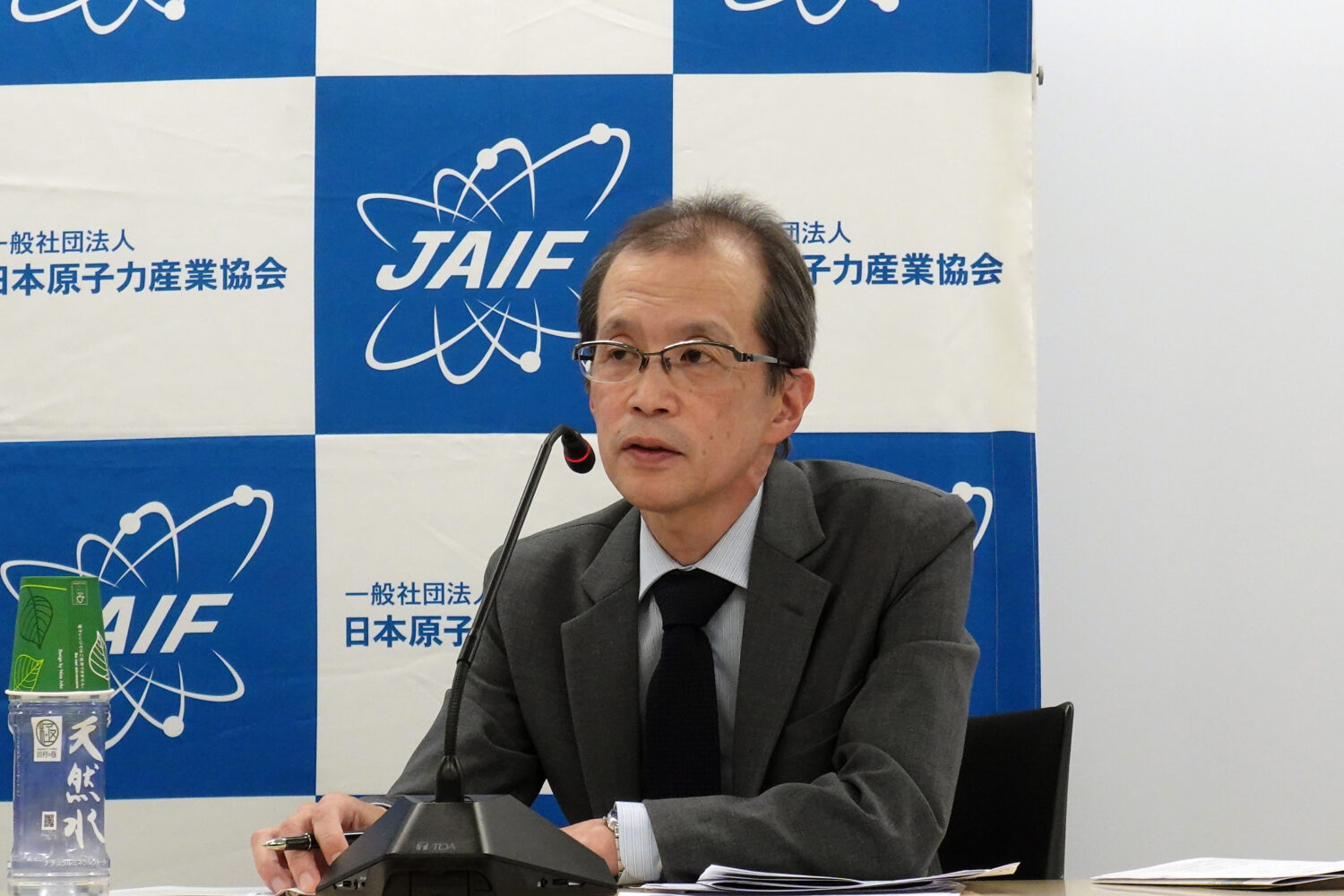
In his opening remarks, MIMURA Akio, Chairman of JAIF, referred to the recent escalation of tensions in the Middle East, noting that the risks to energy supply have once again underscored the significant impact such disruptions can have on society and the economy. He described nuclear energy as a “quasi-domestic energy source,” emphasizing its high level of supply stability and self-reliance, including Japan’s possession of approximately three years’ worth of fuel, as well as its role as a decarbonized power source unaffected by weather conditions.
Mimura also pointed to the renewed interest in nuclear energy in Europe, noting that there is growing recognition that “moving away from nuclear was a strategic mistake,” and that momentum for new construction is accelerating, as symbolized by the “tripling nuclear” initiative.
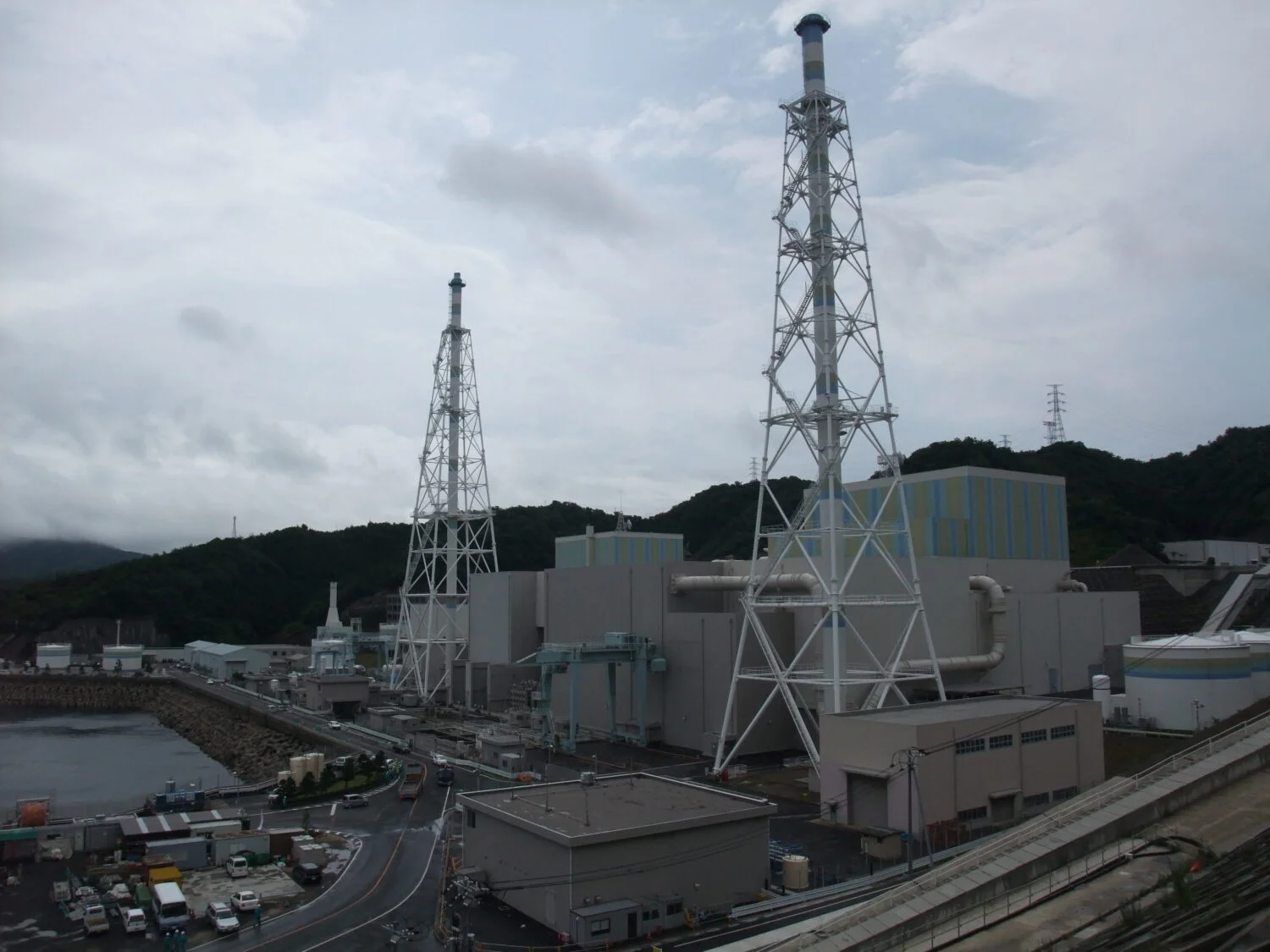
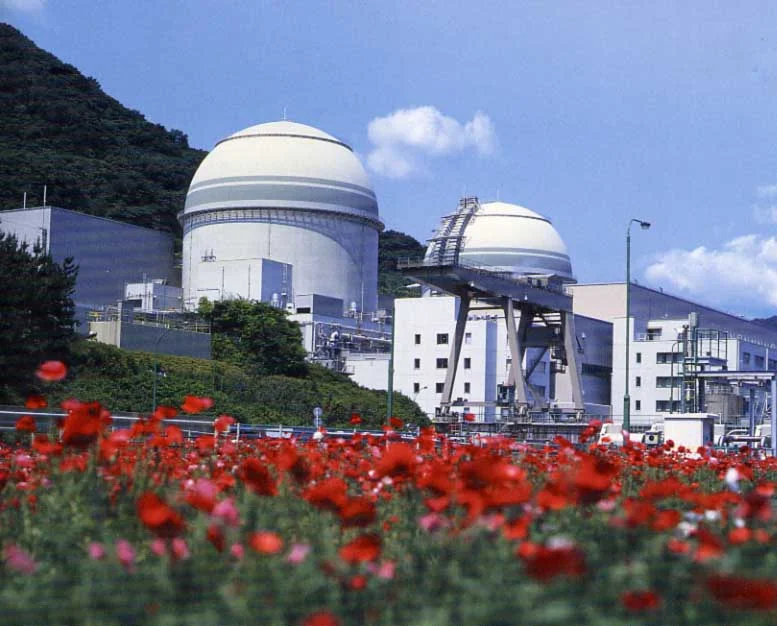
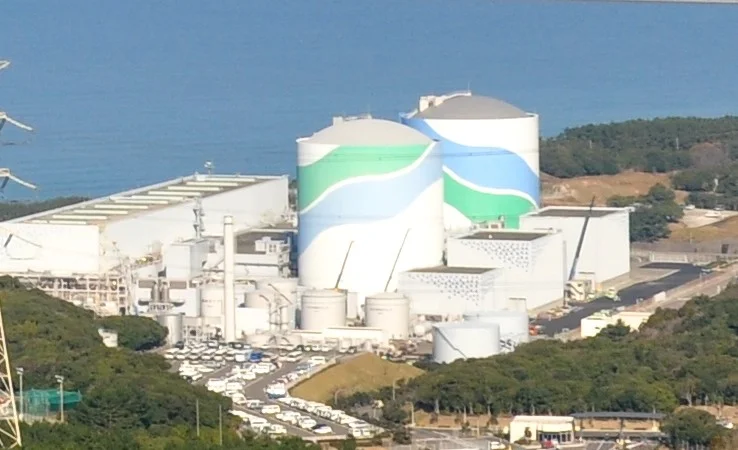
Turning to domestic developments, he referred to progress toward the restart of operations at Kashiwazaki Kariwa-6 (ABWR, 1,356 MWe) and the restart of Tomari-3 (PWR, 912 MWe). While acknowledging that efforts to secure additional human resources are expanding, he stressed that establishing an appropriate business environment to support these efforts remains an urgent priority.
Against this backdrop, Mimura explained that the conference theme was chosen out of a strong sense of urgency that “securing and developing human resources could become the greatest bottleneck in realizing future nuclear policy.” He noted that, amid a declining population and shrinking labor force, the scope of work is expanding across a wide range of areas, including the development of advanced reactors, long-term operation of existing reactors, decommissioning, and backend activities.
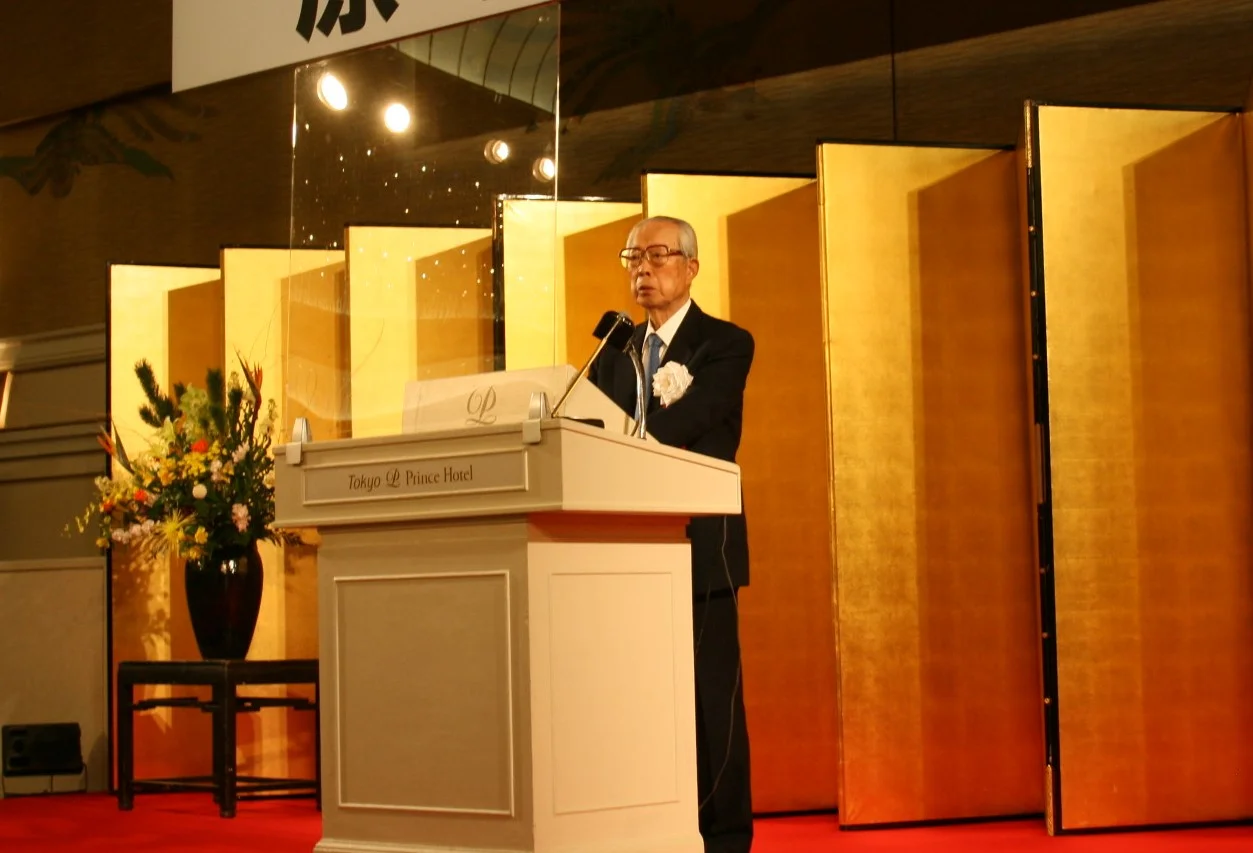
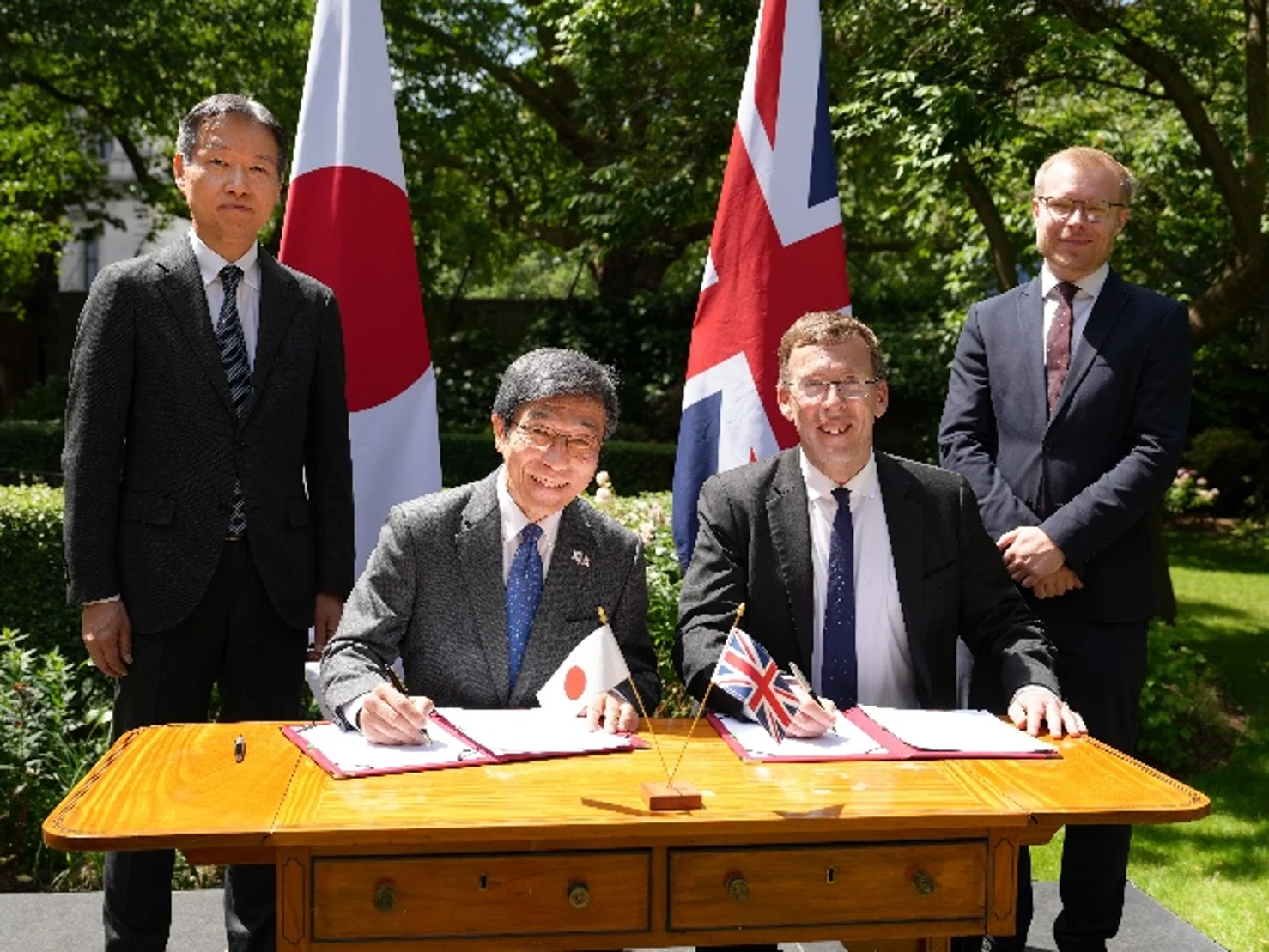
Next, KOMORI Takuro, Parliamentary Vice-Minister of Economy, Trade and Industry, delivered remarks. He began by noting that last month marked 15 years since the Great East Japan Earthquake, emphasizing that the experience and lessons of the accident at Fukushima Daiichi constitute the “starting point of Japan’s energy policy.” He stressed the importance of continuously improving safety without ever forgetting these lessons and of steadily rebuilding public trust.
Komori also highlighted that next-generation innovative reactors and fusion energy are positioned at the core of the government’s growth strategy under the current administration. He expressed the government’s intention to encourage active public and private investment, including in capital expenditures and research and development.
On the topic of human resources, the central theme of the conference, Komori acknowledged that “the human resource base supporting nuclear energy has weakened since the disaster.” He emphasized that Japan is now at a turning point, requiring the reconstruction of a sustainable human resource structure to support the nuclear industry. He concluded by affirming that “the government will move forward with nuclear policy with full commitment” and expressed hope that the conference would deepen discussions on the future of human resource development.
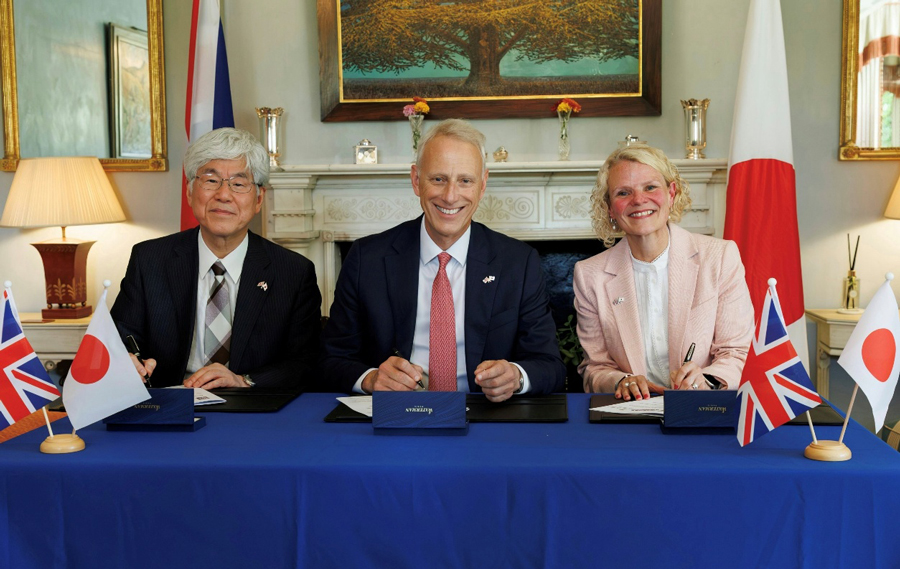
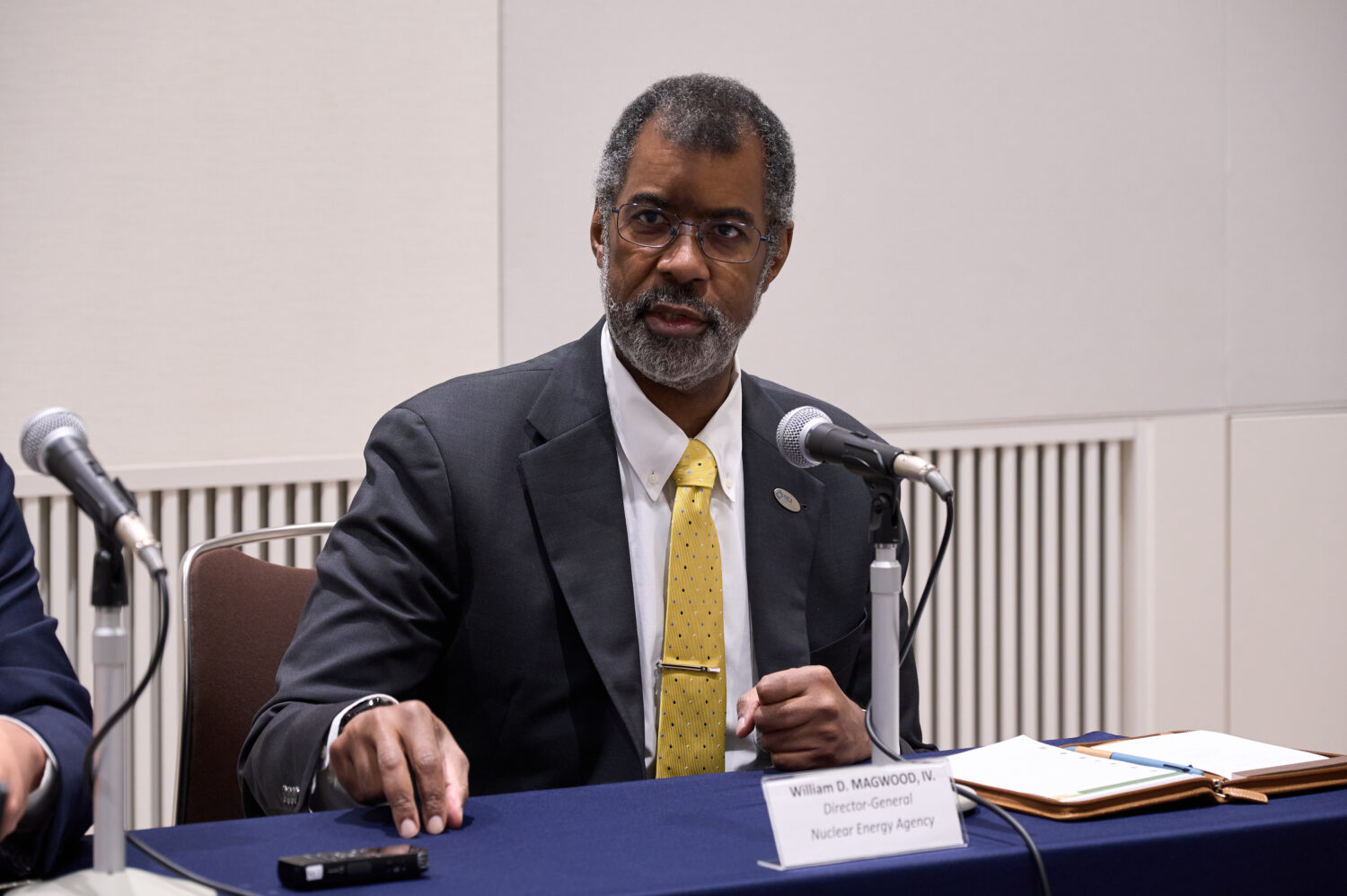
In the keynote address that followed, William D. Magwood IV, Director-General of the OECD/NEA, spoke on global trends in nuclear energy and workforce challenges.
Magwood stated that “in the 65-year history of the OECD/NEA, there has never been a time quite like the present,” expressing the view that a “new era of nuclear energy” is emerging worldwide. He cited multiple driving factors, including rising electricity demand, the need to strengthen energy security, and the reduction of dependence on fossil fuels, noting that “many countries are reassessing the role of nuclear energy.”
He emphasized that not only OECD member countries but also nations in the Global South are increasingly seeking to introduce or expand nuclear power. Across these countries, reliable access to electricity is widely recognized as a critical determinant of economic growth. He pointed out that the ability to secure stable and reasonably priced electricity will have a major impact on national economic foundations.
Magwood further noted that discussions are underway with business leaders and financial stakeholders on “concrete challenges and solutions,” including financing and supply chain issues. He highlighted the difficulties in securing financing, driven by uncertainties in nuclear power costs and the unclear economics of small modular reactors (SMRs). He stressed that the most critical factor shaping the future of nuclear energy is “people.”
Accordingly, he underscored the growing importance of education and outreach, introducing OECD/NEA initiatives to cultivate the next generation of talent through various training programs.
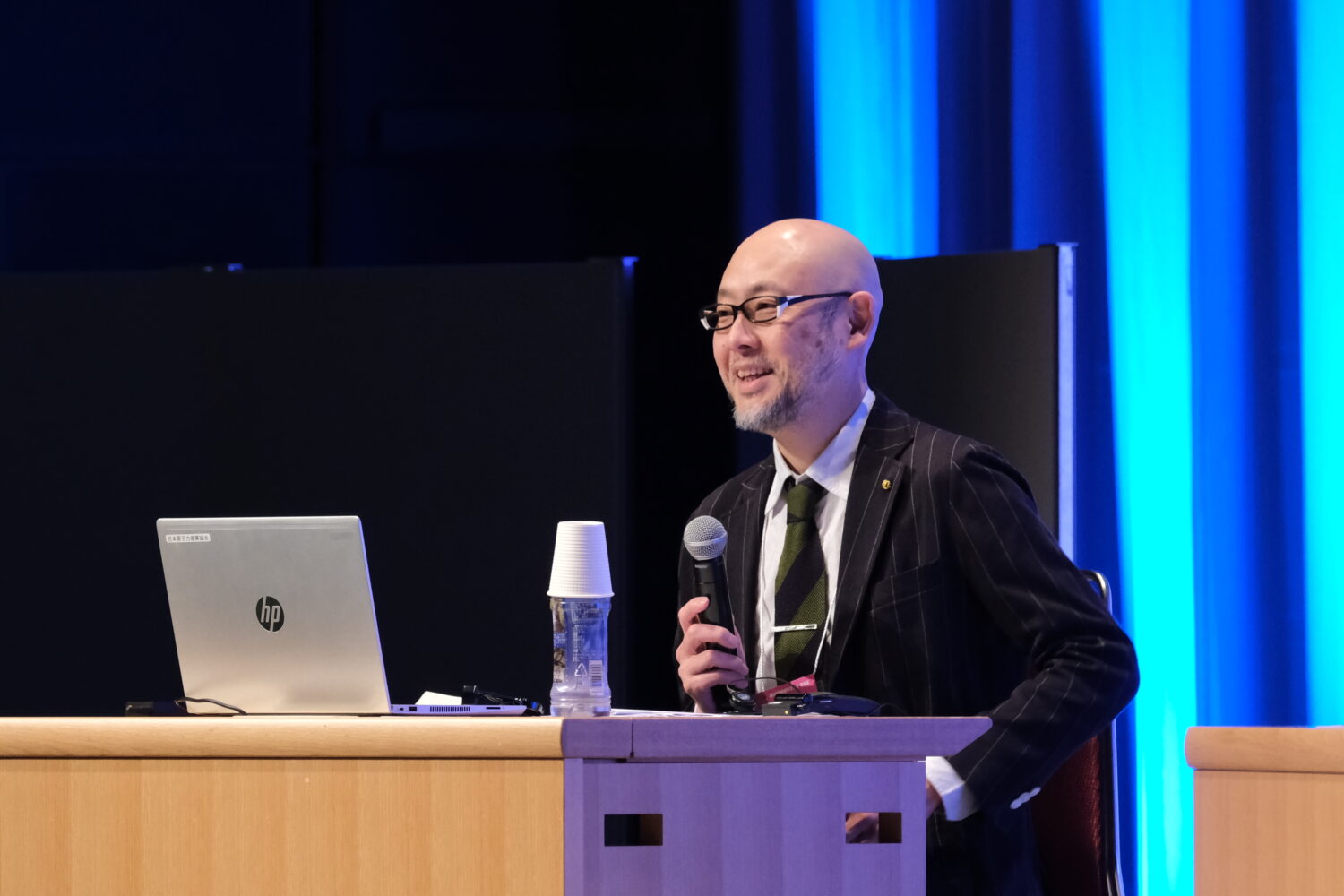
In the subsequent special lecture, Chairman Mimura returned to the podium to address Japan’s structural challenge of population decline.
He outlined the severity of demographic decline and its socio-economic implications, presenting projections that Japan’s population could fall from approximately 124 million today to around 63 million by 2100, with the aging rate reaching 40% if current trends continue. Referring to the activities of the private-sector initiative he chairs, the “Council for Choosing the Future,” he pointed out the limitations of conventional countermeasures to declining birth rates. He emphasized the need to pursue both a “stabilization strategy” to mitigate population decline and a “resilience strategy” centered on productivity improvements, based on a shared sense of urgency.
Finally, UESAKA Mitsuru, Chairman of the Atomic Energy Commission of Japan, delivered a lecture titled “Human Resource Development for Nuclear Energy in Japan from an International Perspective.”
He compared higher education systems in Japan, the United States, and Europe, highlighting differences in approaches to nuclear education. While Europe and the United States place strong emphasis on structured coursework and practical training at the master’s level, he noted that Japan faces challenges in strengthening specialized education. He introduced educational frameworks and systems in the U.S. and Europe, as well as examples such as the professional graduate school in nuclear engineering at the University of Tokyo and the International Nuclear Management Academy (INMA) of the IAEA, to illustrate the importance of practice-oriented education and international collaboration.
He also emphasized the importance of engaging students at the secondary education level, stressing the need to stimulate interest among younger generations alongside promoting attractive research opportunities at universities.