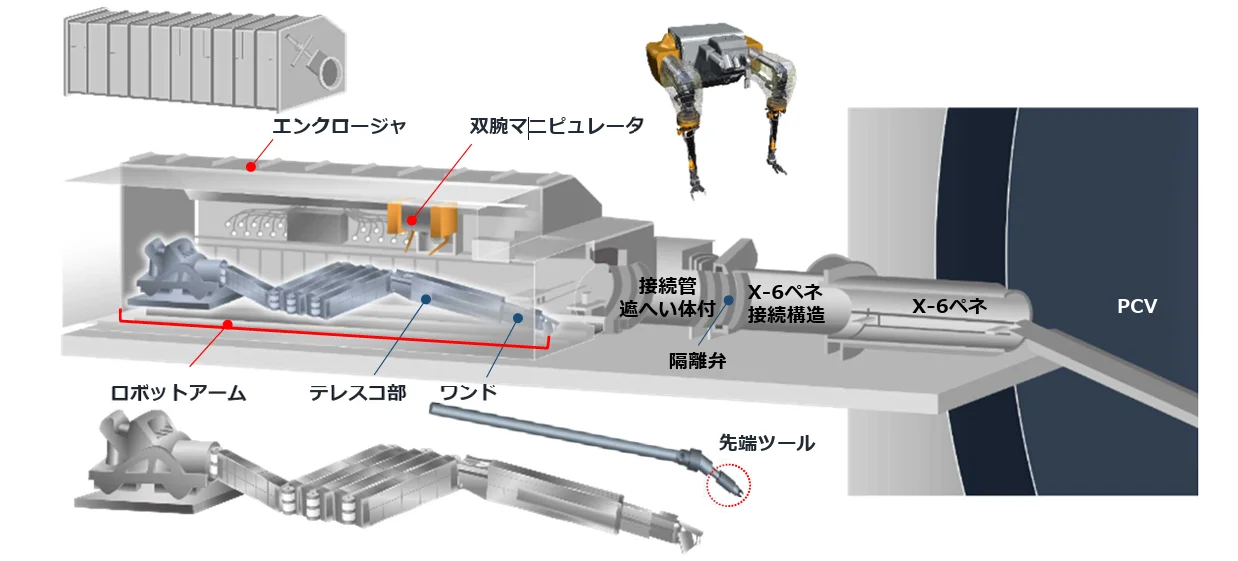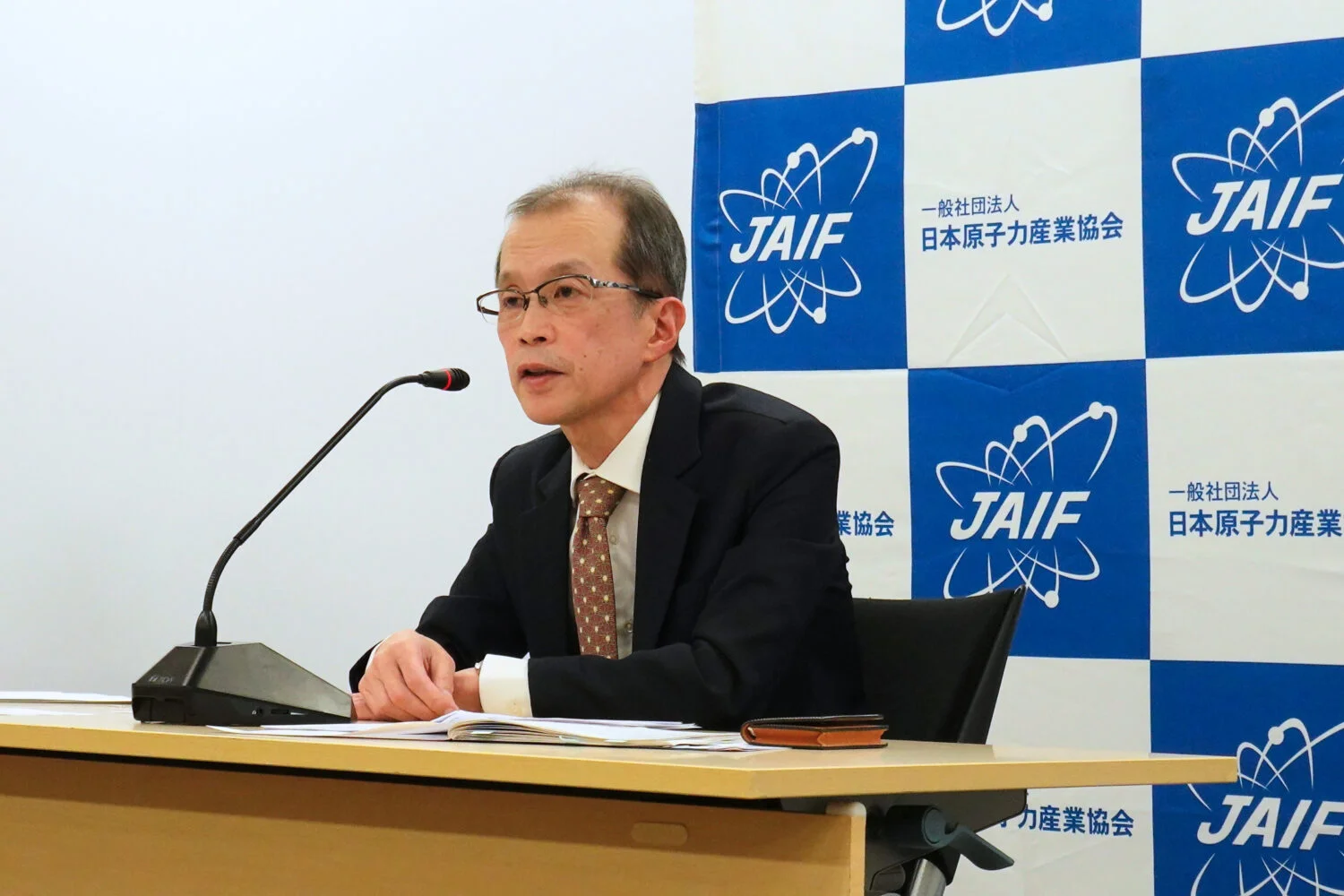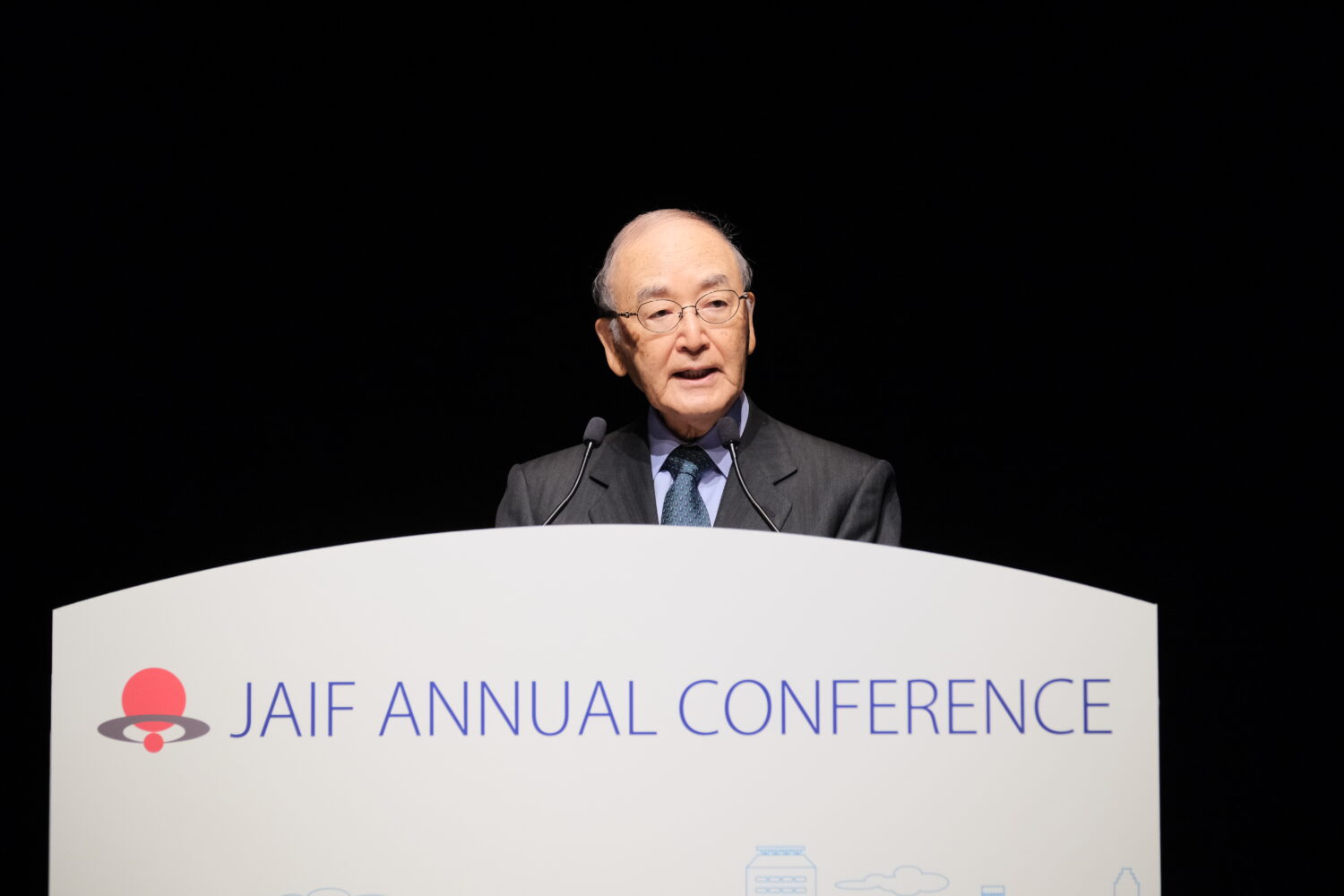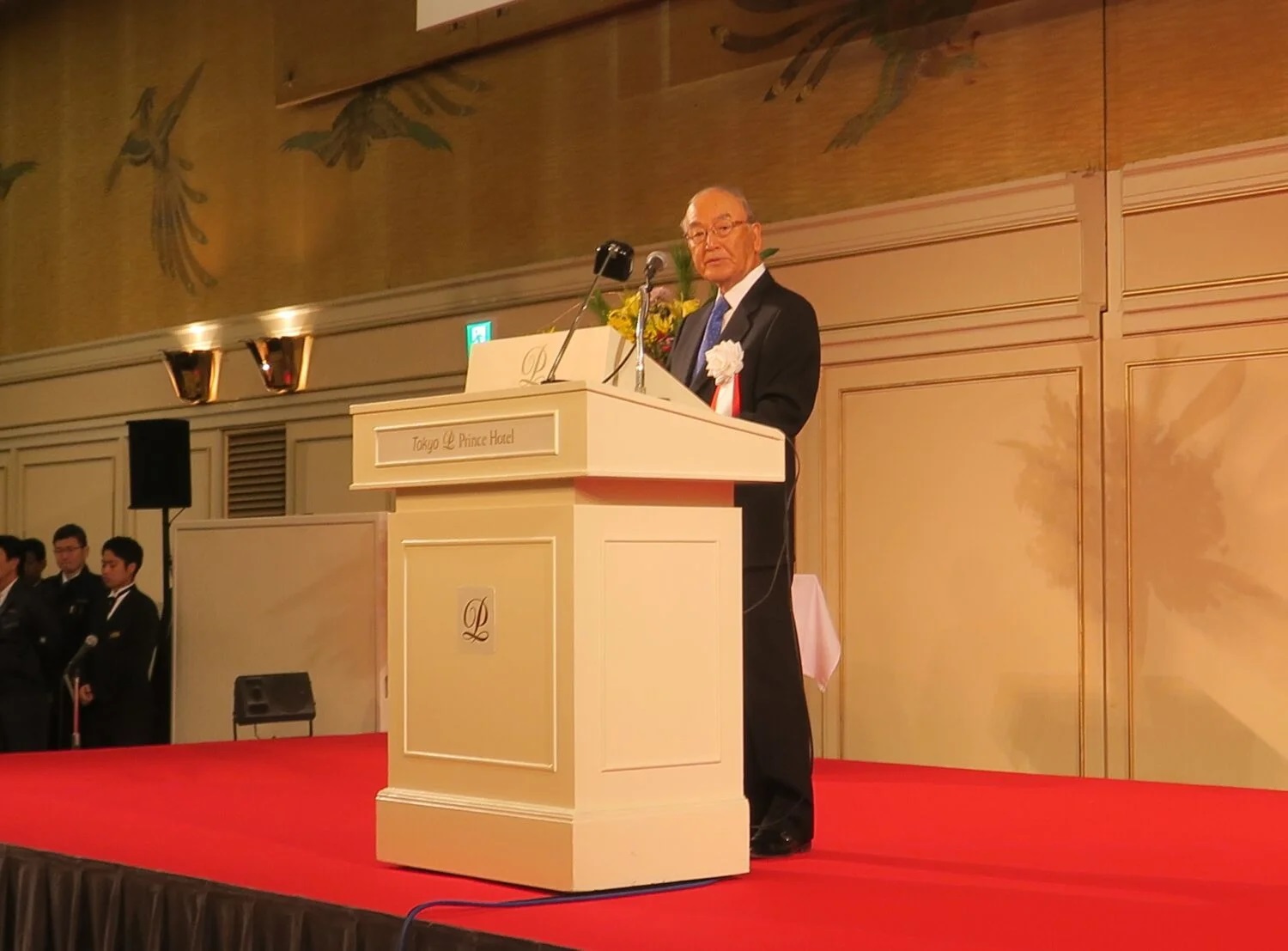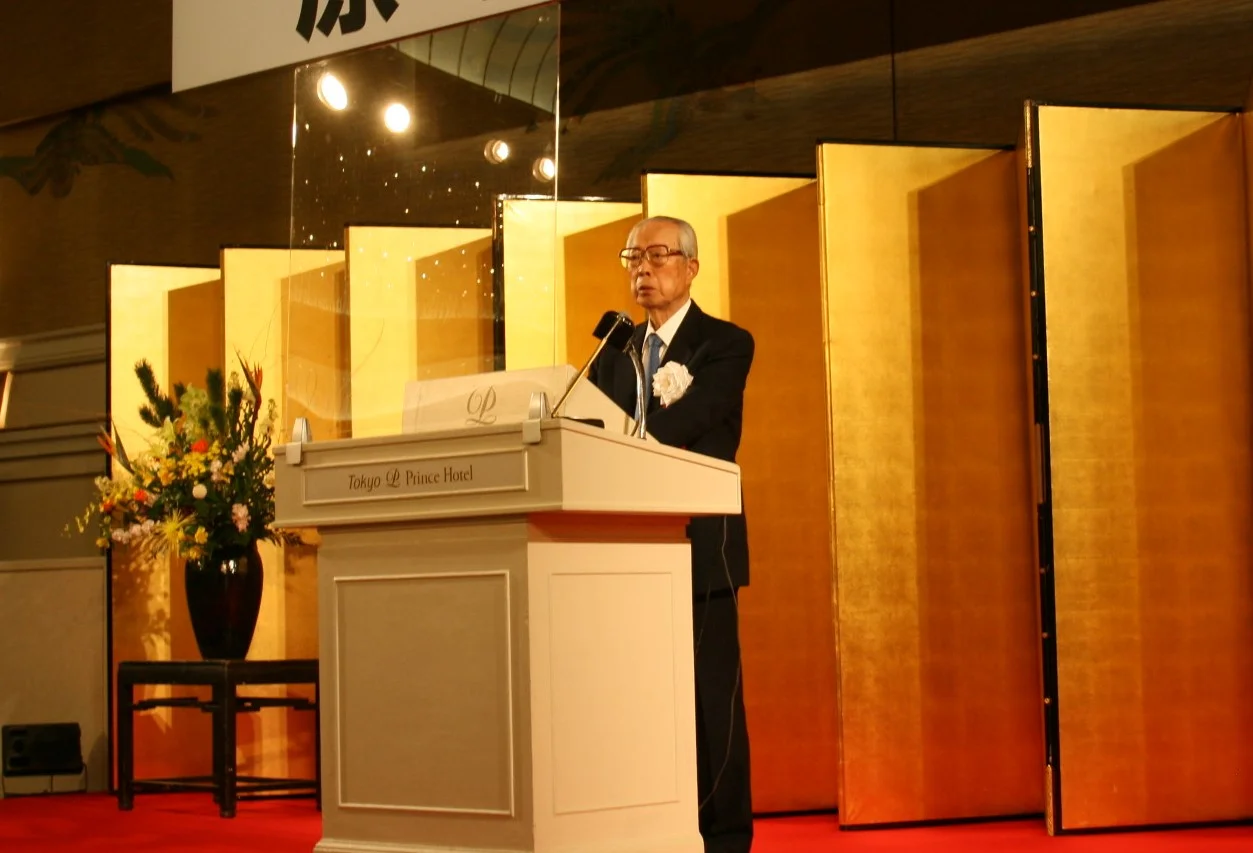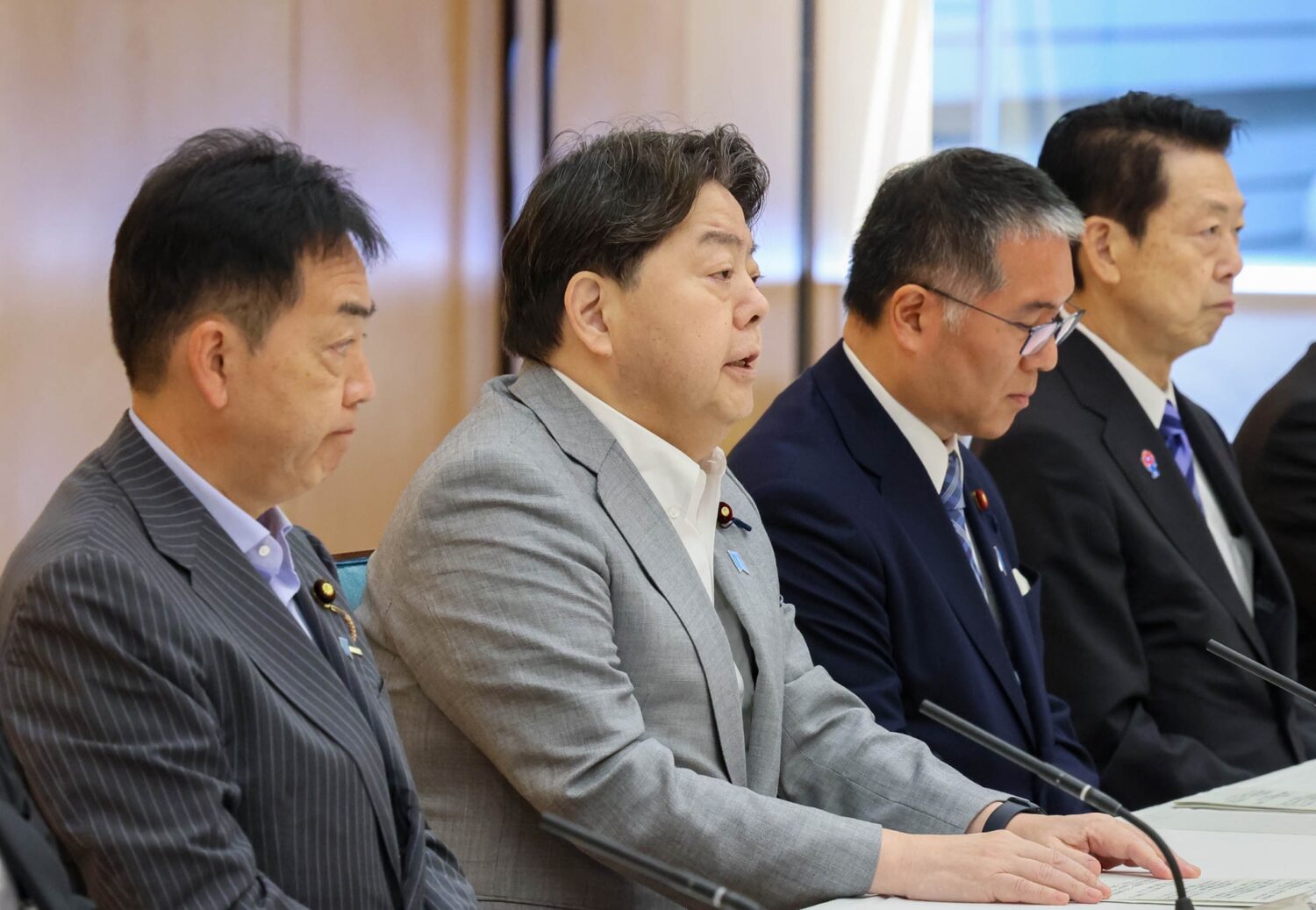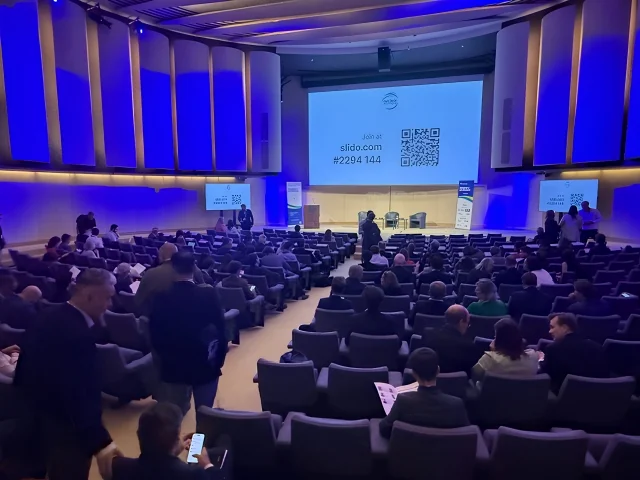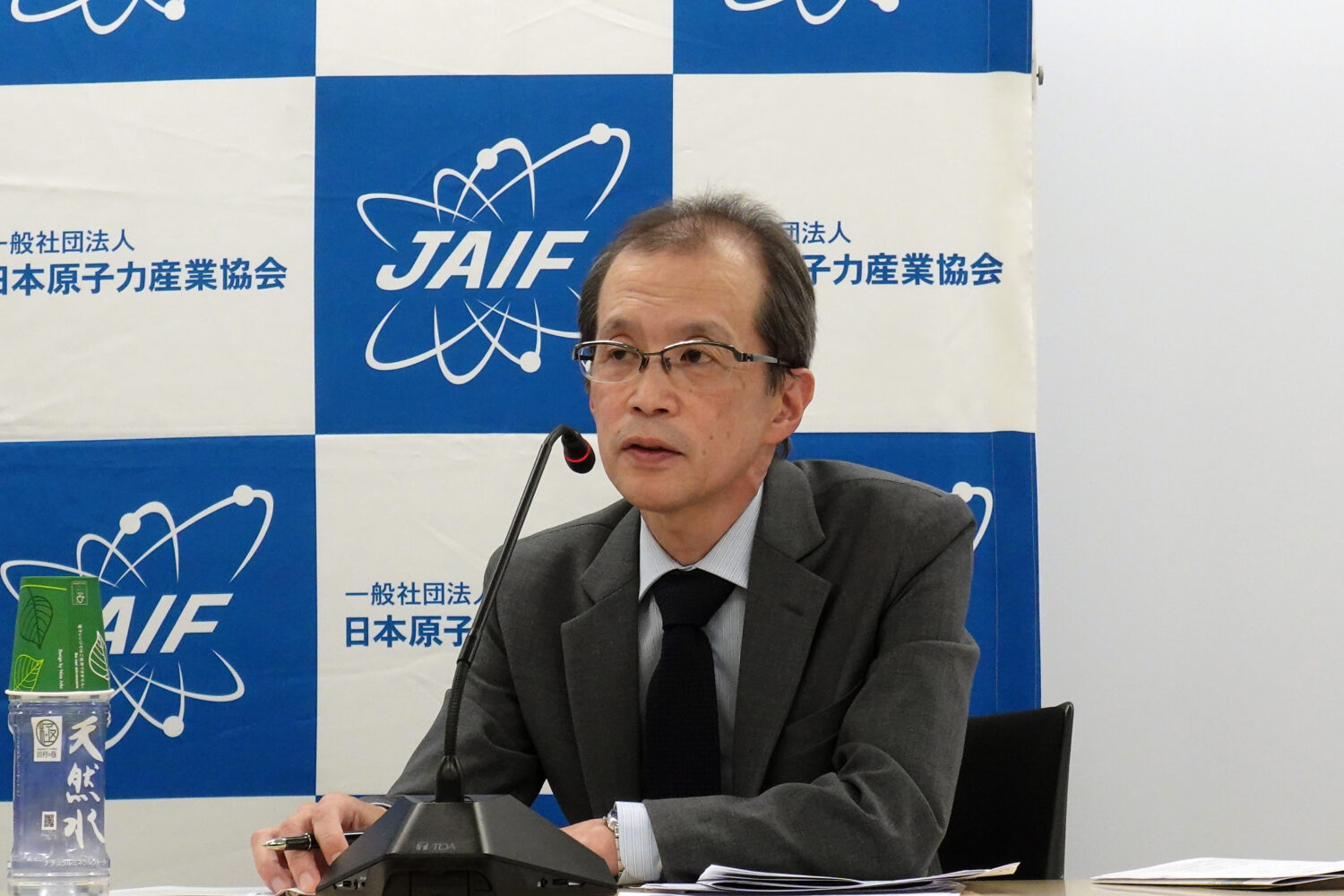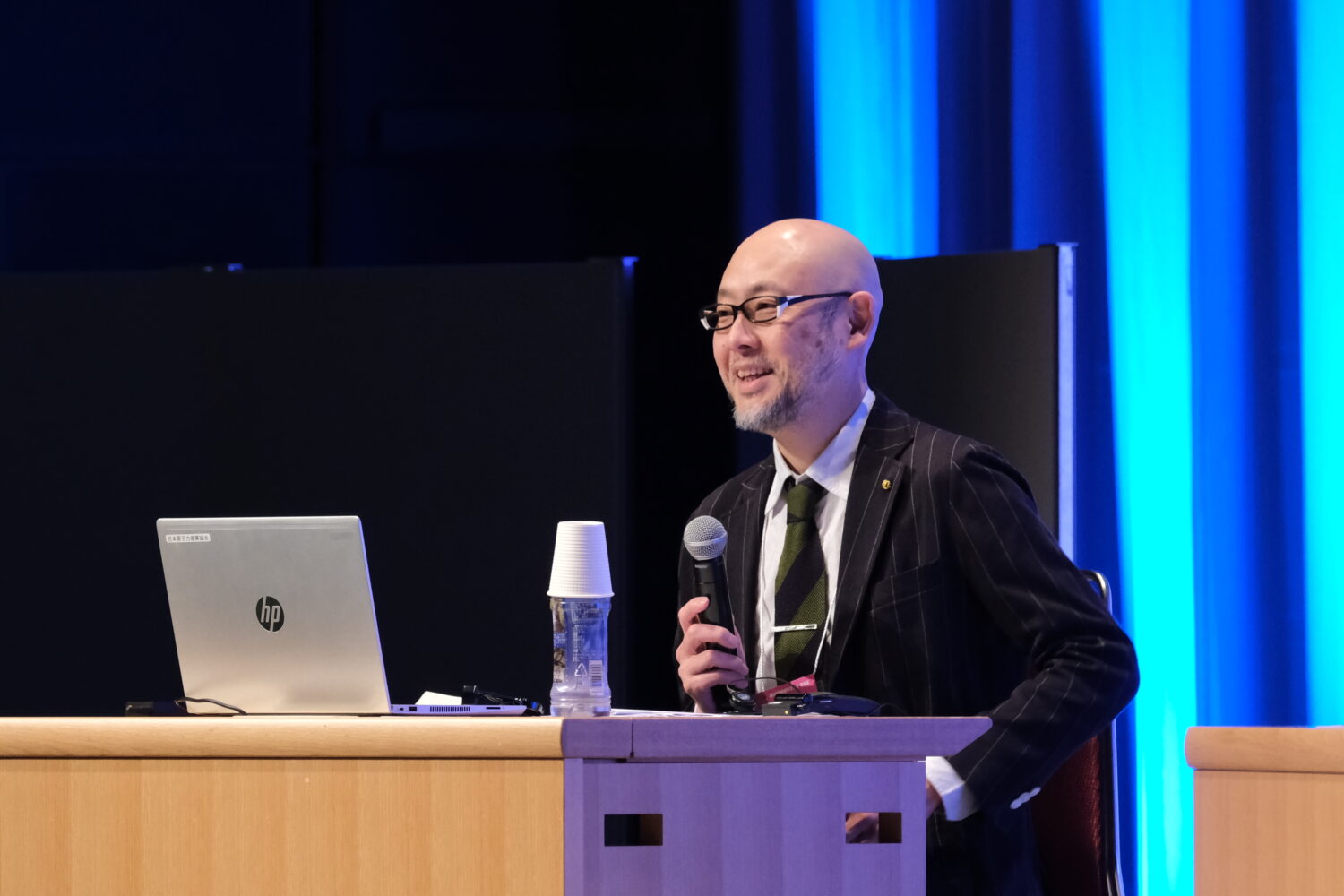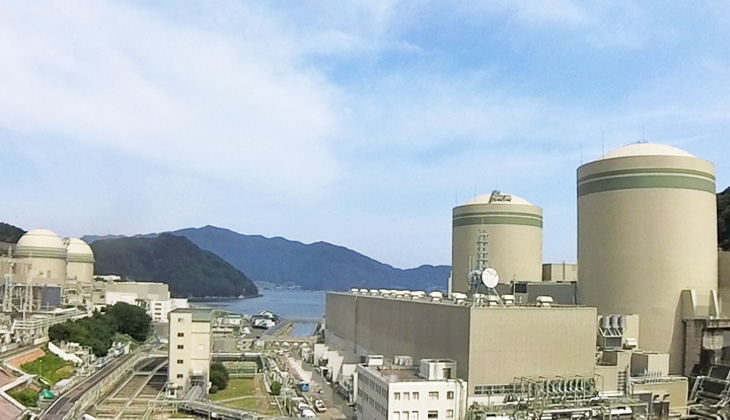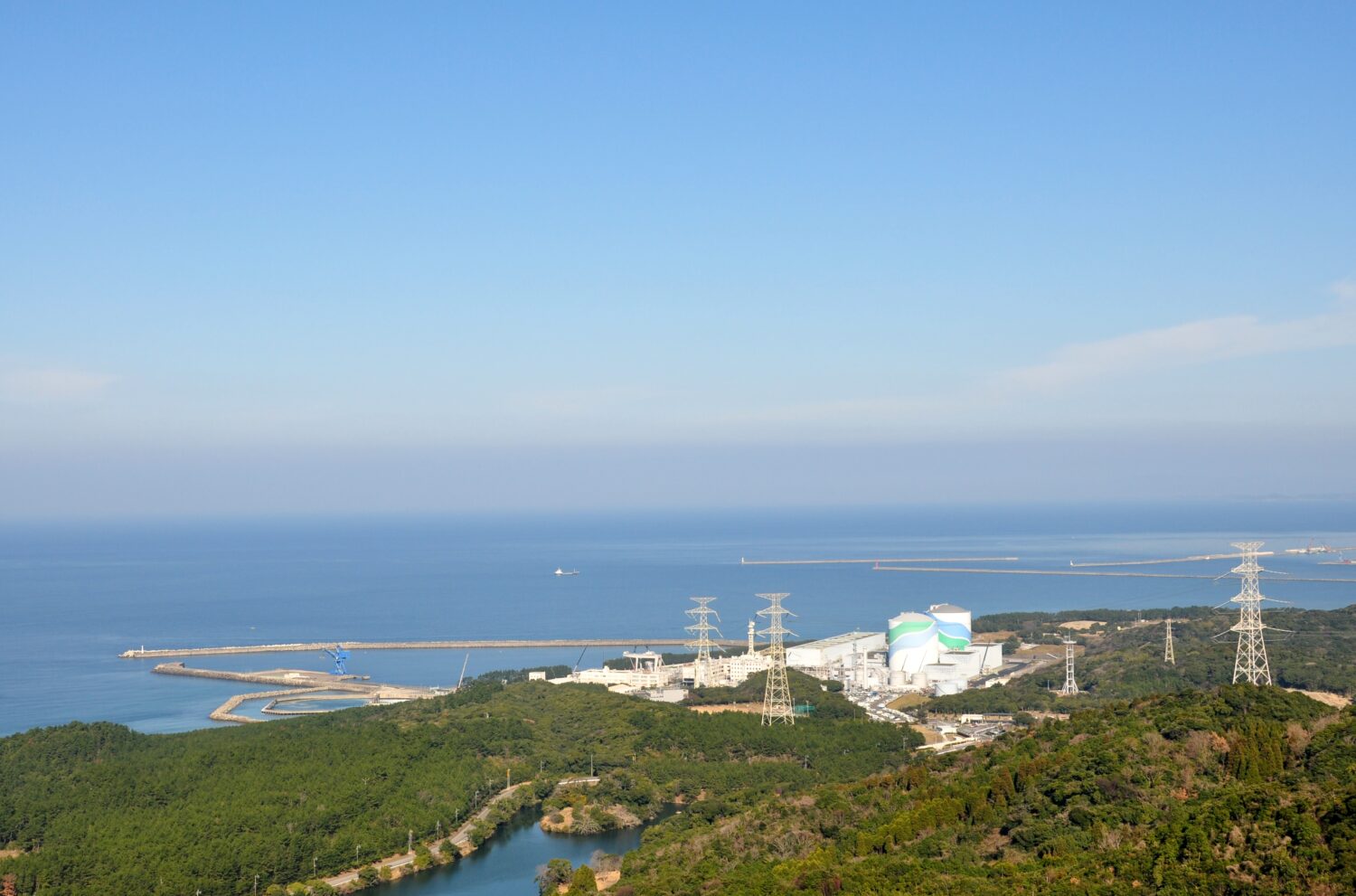

In the first part of the session, “Fukushima Daiichi Decommissioning: Latest Status and Workforce Strategy,” ONO Akira, Executive Vice President, President of the Fukushima Daiichi Decontamination and Decommissioning Engineering Company (FDEC), Chief Decommissioning Officer (CDO), and Deputy General Manager of the Nuclear and Plant Siting Division at Tokyo Electric Power Company Holdings, explained that progress in fuel debris analysis and trial retrieval has led to a shift in focus at the site.
“The center of gravity is gradually moving toward fuel debris retrieval,” he noted. While key risk-reduction efforts—such as treated water management and the removal of spent fuel—have reached a certain level of progress, he emphasized that the project is now entering a new phase characterized by the “extremely difficult and highly uncertain” task of debris removal.
With this transition, the demands placed on human resources are also changing qualitatively. Ono pointed out the need for a “two-layer workforce”: highly specialized personnel capable of addressing complex technical challenges, and a stable workforce that can support on-site operations over the long term. In light of the increasing need for advanced skills—such as remote operation and work in high-radiation environments—he highlighted the importance of strengthening training environments and drawing on international decommissioning expertise.
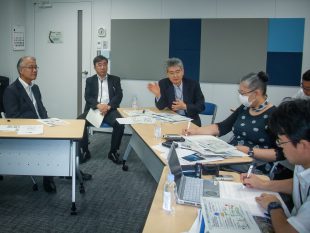
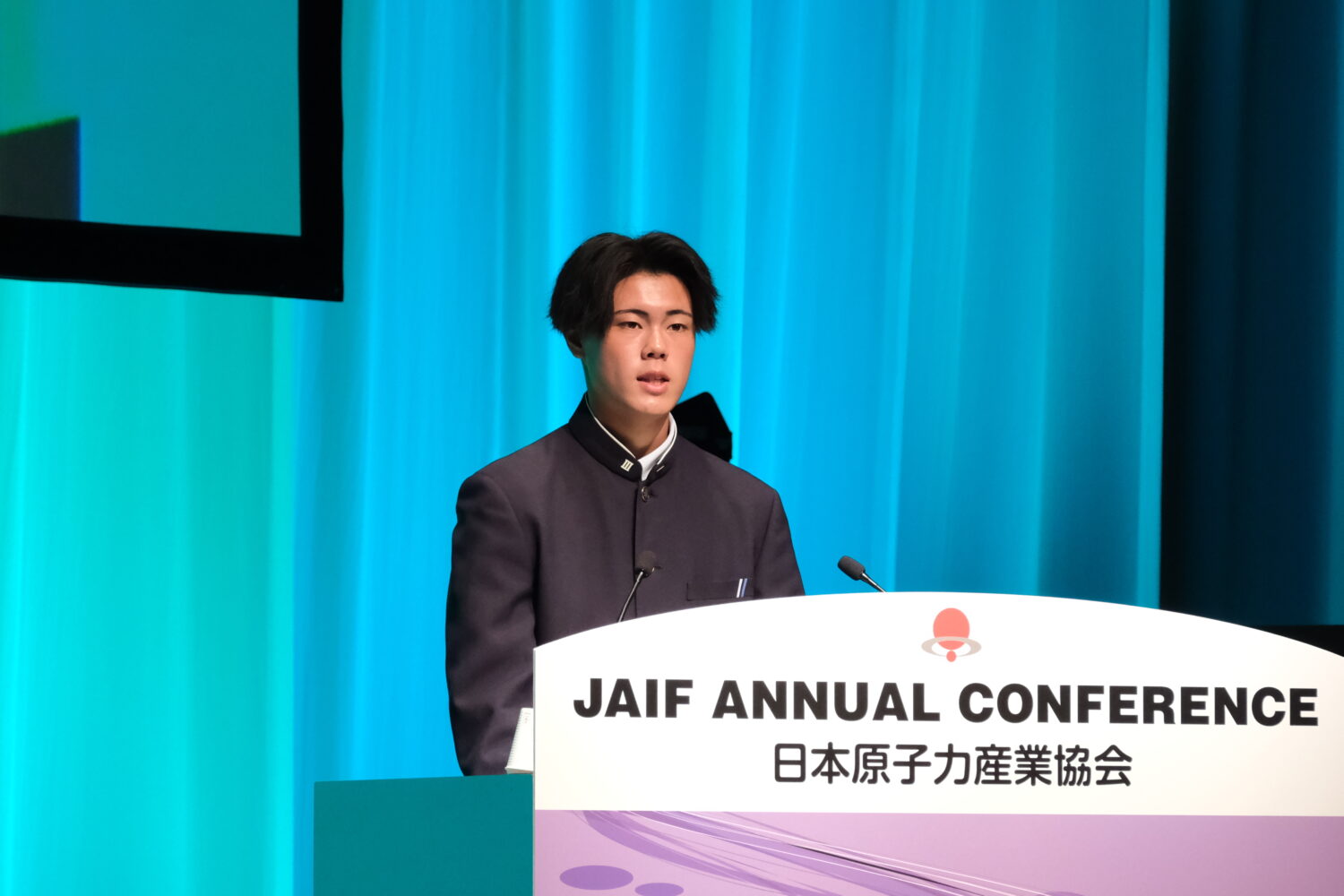
In the second segment, “Young Professionals Tackling Decommissioning,” students and young professionals from Fukushima shared their perspectives and aspirations in their own words.
HASHIMOTO Takuma, a fourth-year student in Electronic Systems Engineering at the National Institute of Technology, Fukushima College, described how his initial interest in robotics led him to consider a career in decommissioning. Reflecting on his first visit to the Fukushima Daiichi site, he remarked that “even scenes familiar from video carry a completely different weight when seen in person,” noting that on-site experiences and direct interaction with engineers helped shape his career aspirations.
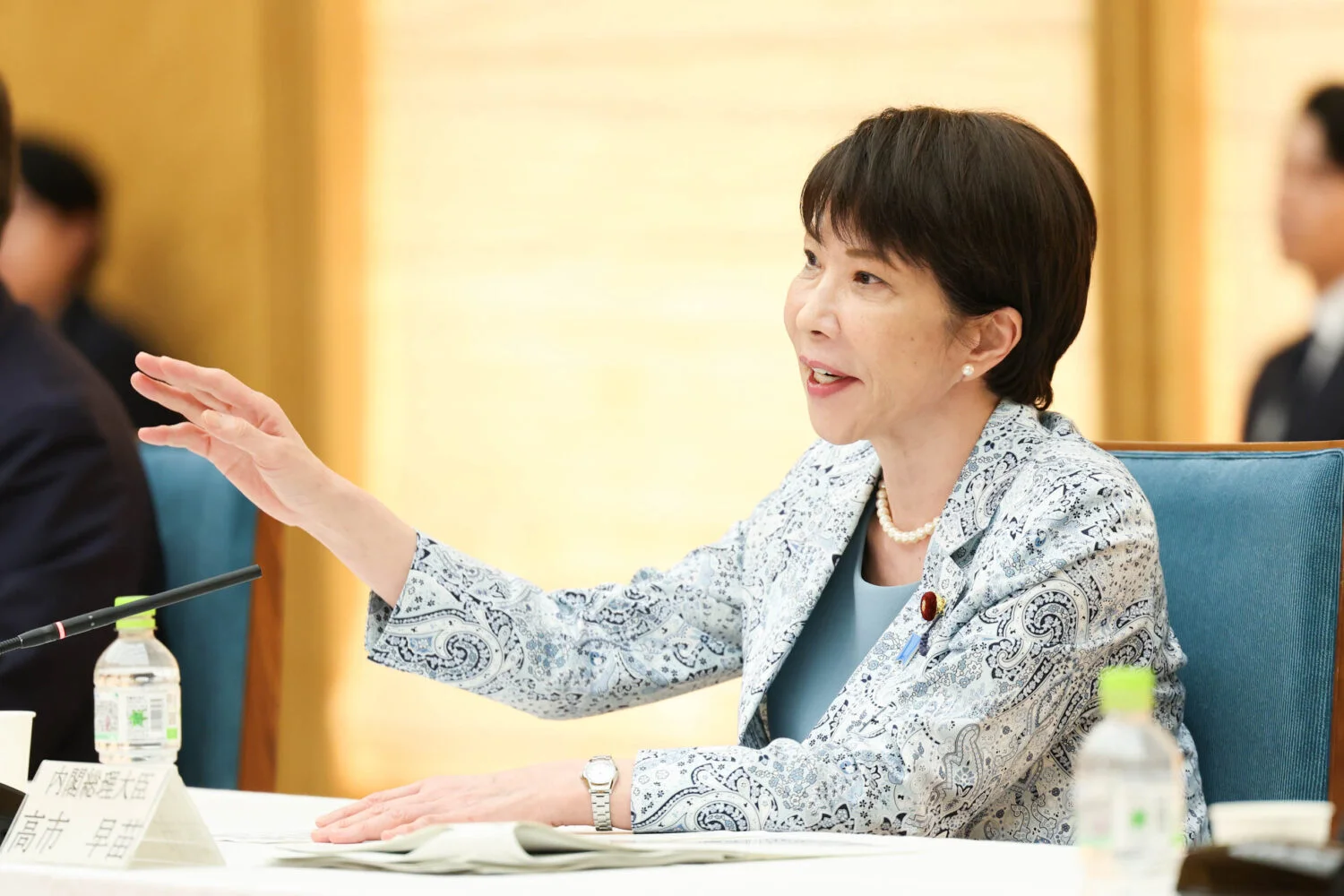
Others spoke of initially feeling distant from decommissioning. MORIYAMA Rairu, a third-year student at Fukushima Prefectural Odaka Industrial Technology and Commerce High School, recalled that although he grew up in a region closely connected to post-disaster recovery, he initially perceived decommissioning as “dangerous and something with no clear end.” However, through classroom learning and site visits, his perspective changed. He said he was particularly struck by the idea that “decommissioning is a project to create safety for the future,” and expressed his ambition to contribute as an electrical technician.
ITO Hina of beABLE Co Ltd, who works in the construction sector supporting decommissioning-related projects, shared that she had not initially been strongly interested in decommissioning. However, through her work, she developed a deeper interest in on-site operations and requested a transfer to the construction division. She is now engaged in managing on-site vehicles using drones, supporting operational processes. She also emphasized that the involvement of local personnel helps build trust with external workers and fosters a sense of reassurance within the community.
From the education sector, TAKAMURA Yasuhiro, a teacher at Fukushima Prefectural Soma High School, highlighted the challenges of engaging general academic-track students with nuclear and decommissioning topics. He introduced efforts to deepen understanding through site visits and opportunities for dialogue.
Throughout the discussion, participants shared the view that, in addition to hands-on experiences such as site visits, “voices from people close to them” play a crucial role in raising interest among younger generations. As memories of the disaster fade, even within Fukushima Prefecture, interest in decommissioning is not necessarily high. Hashimoto noted that awareness varies significantly among his peers, with some lacking even basic knowledge of the plant’s location. To address this, participants suggested leveraging school trips and utilizing virtual reality (VR) experiences provided through TEPCO’s website as entry points for engagement.
Moderator SUZUKI Shigekazu, Vice President and Professor at the National Institute of Technology, Fukushima College, concluded that developing a decommissioning workforce requires not only increasing opportunities for students to visit sites and hear directly from professionals, but also enhancing educators’ own understanding. He emphasized the need for collaboration among government, industry, and educational institutions to expand opportunities for young people to engage with decommissioning.
Decommissioning at Fukushima Daiichi is an unprecedented, long-term project on a global scale and represents a significant technological challenge. As the work enters a new phase, how its significance and appeal are communicated—and how the base of human resources is expanded—will be a decisive factor in its future progress.