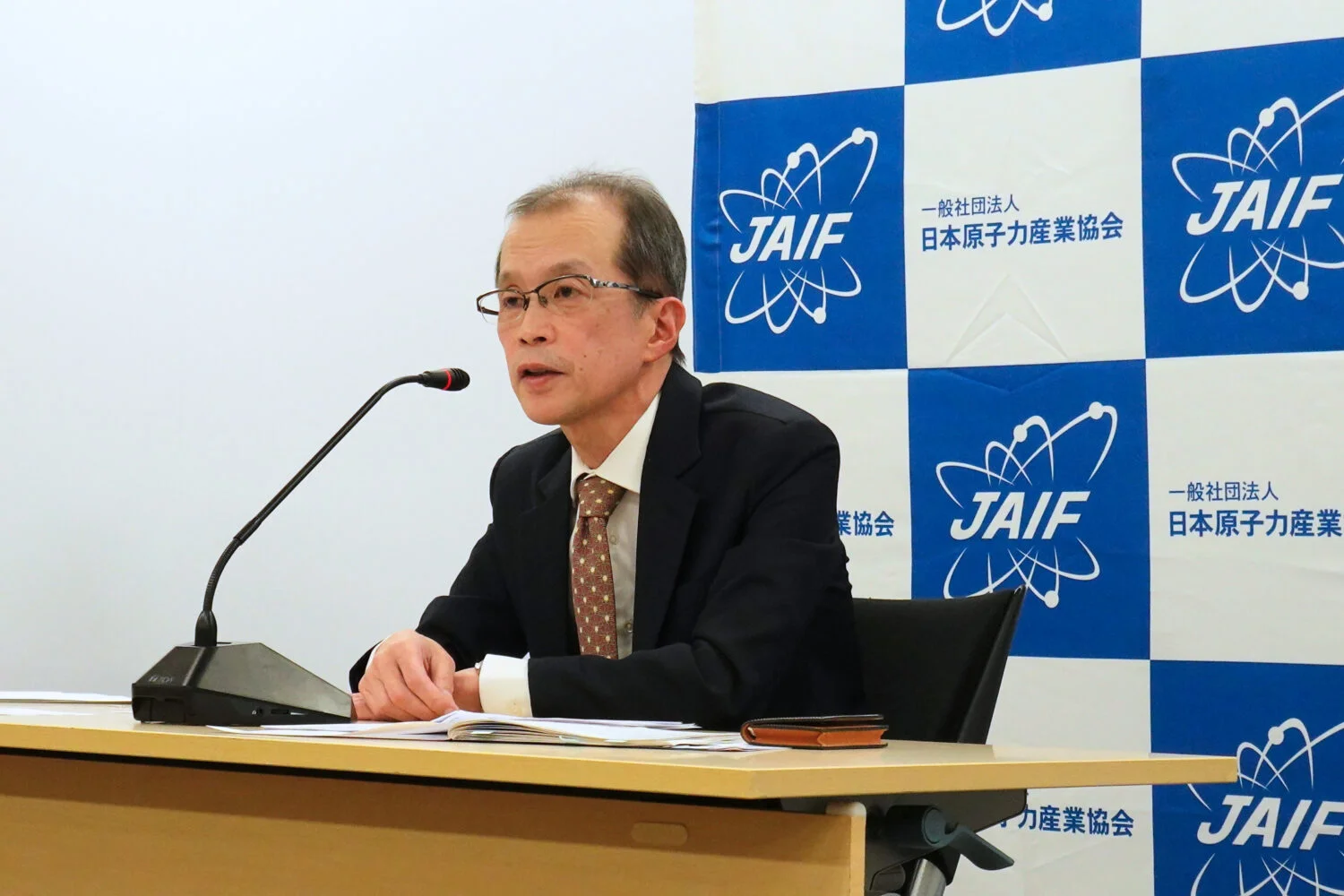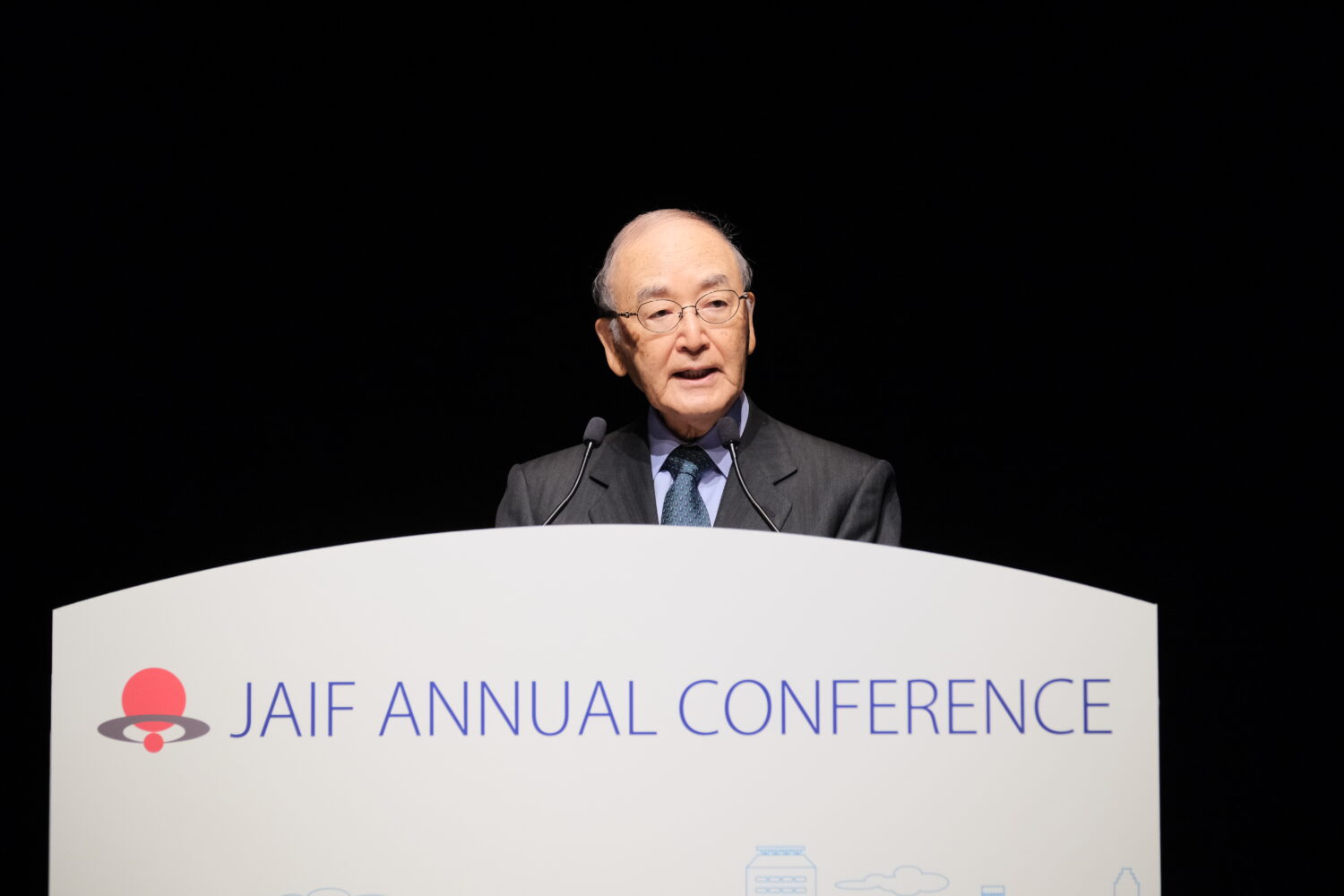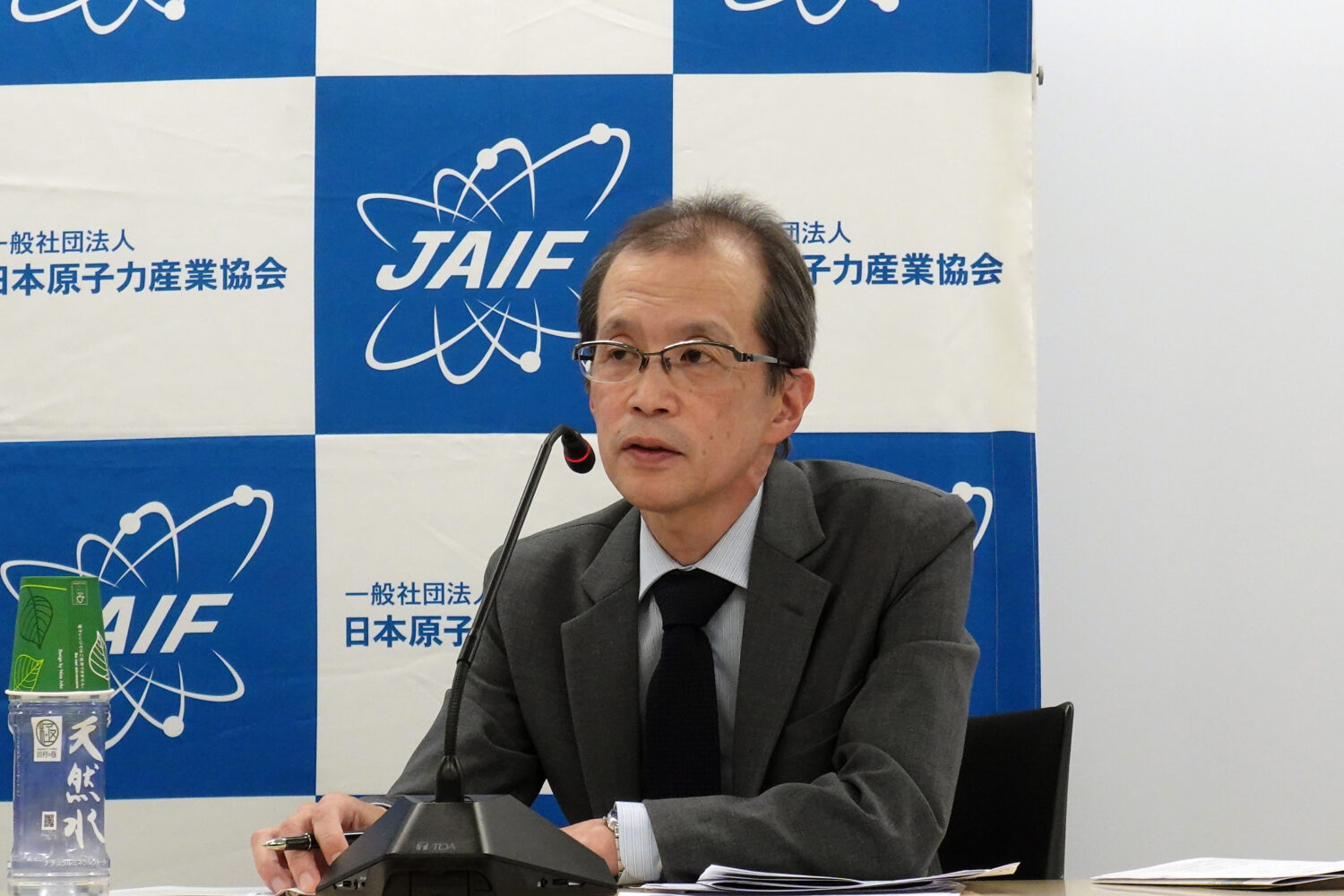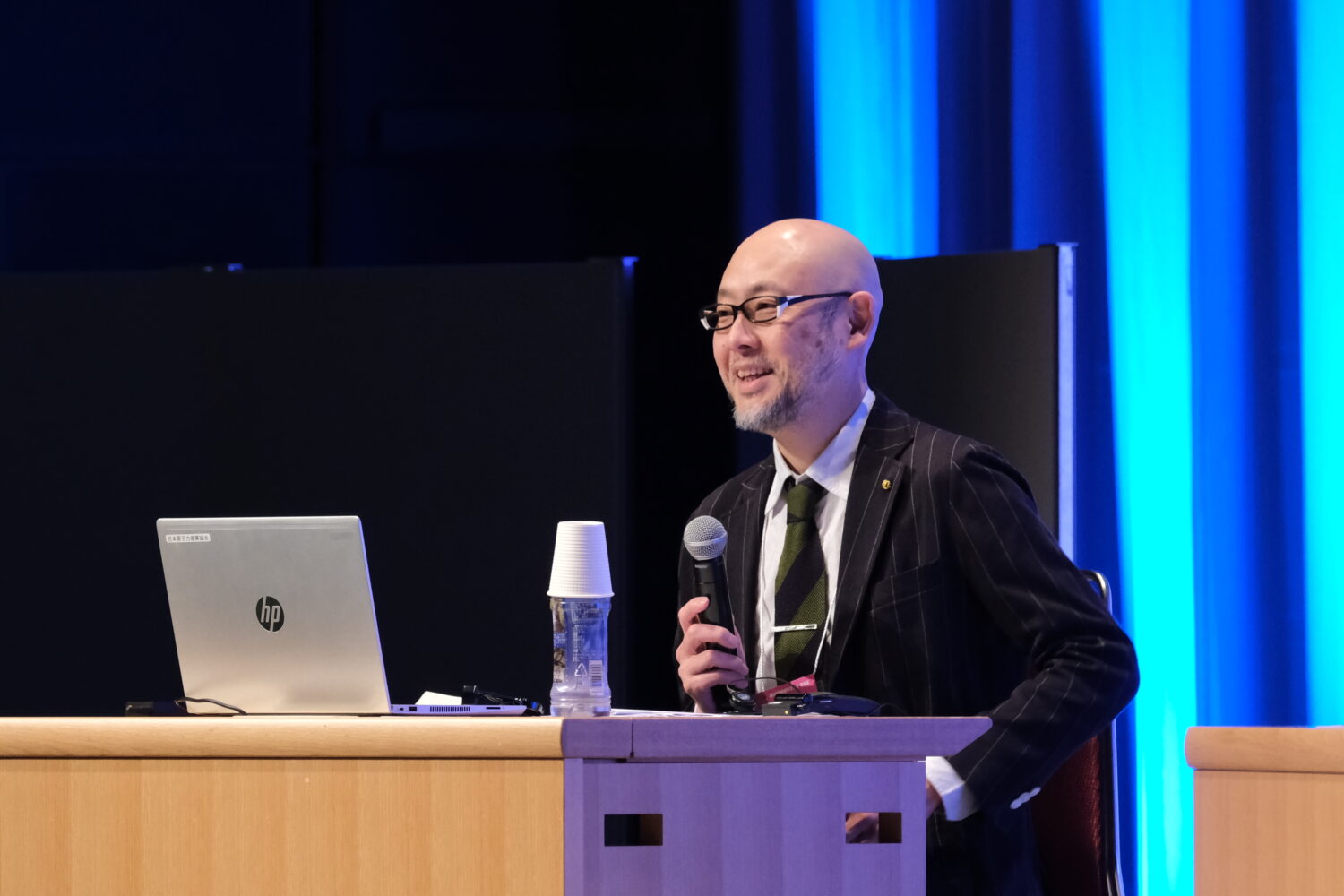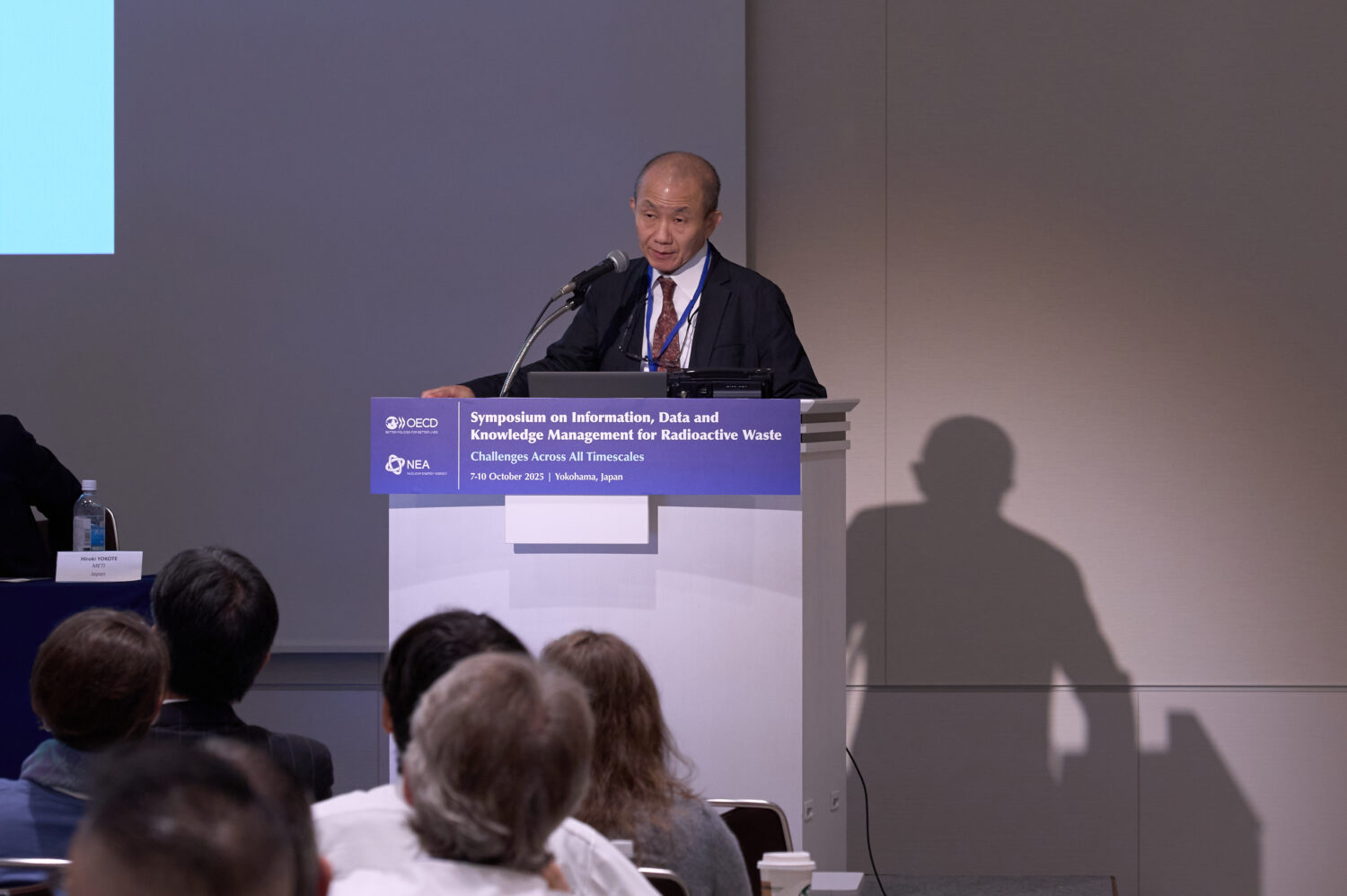

Moderator KUROSAKI Ken, Director and Professor at the Institute for Integrated Radiation and Nuclear Science, Kyoto University, noted that Japan’s nuclear sector is at a major turning point. While nuclear energy has been positioned for “maximum utilization” under the Strategic Energy Plan, with a defined role in the 2040 power mix, he emphasized that securing and developing the workforce to support this vision remains a critical challenge. He pointed out that, nearly 15 years after the Fukushima Daiichi accident, both R&D capabilities and human resources have yet to fully recover.

Kurosaki also highlighted that Japan is facing a structural dilemma in which workforce numbers are declining while workloads continue to increase—a trend not unique to the nuclear sector, but particularly pronounced due to heightened safety requirements.
From an industry perspective, YOSHIMURA Masahito, Chairperson of the Strategy Working Group at the Japan Nuclear Human Resource Development Network (JN-HRD.NET), explained key challenges identified through the development of a nuclear workforce strategy roadmap. While various initiatives have been outlined, many have yet to reach the implementation stage. He cited difficulties in securing necessary resources, misalignment of priorities among stakeholders, and uncertainty in future workforce demand as major obstacles.
He emphasized the need to identify high-priority measures and establish a “command center” function to drive their execution, integrating workforce demand analysis with concrete implementation. Through this discussion, the development of such a coordinating function emerged as a central issue going forward.

From the government side, ARIBAYASHI Koji, Director of the Atomic Energy Division at the Ministry of Education, Culture, Sports, Science and Technology (MEXT), presented data illustrating the weakening of the educational foundation. Compared to the 1990s, enrollment in nuclear-related academic programs has declined significantly, and the number of faculty members has also decreased—particularly among younger educators.

In addition, the reduction in research reactors has limited opportunities for hands-on training, making it increasingly difficult for individual universities to provide comprehensive education. As a response, Aribayashi introduced the Advanced Nuclear Education Consortium (ANEC), which promotes collaboration among universities and research institutions to share educational resources. The program has achieved notable results, with approximately 70% of participating students advancing to nuclear-related fields and around 60% entering relevant industries. Expanding participation to students from other disciplines and strengthening ties with industry were identified as future challenges.

From an international perspective, Soazig DREVILLON of the Universite des Metiers du Nucleaire outlined France’s workforce strategy. With the nuclear industry employing approximately 250,000 people and an additional 100,000 expected to be needed over the next decade, France has developed a comprehensive “skills roadmap” integrating education, training, and recruitment. Initiatives include improving visibility of nuclear career paths, organizing Nuclear Career Weeks, and expanding scholarship programs.

Tatiana IVANOVA of the OECD/NEA emphasized that workforce shortages are a global challenge. As nuclear expansion progresses, demand is increasing across all areas, including construction, operation, and the fuel cycle, while workforce aging is advancing in many countries. She stressed the importance of enhancing education and training and strengthening international cooperation.

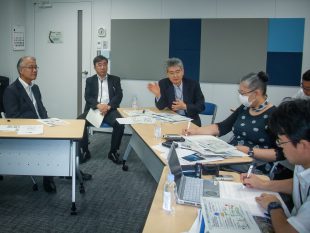
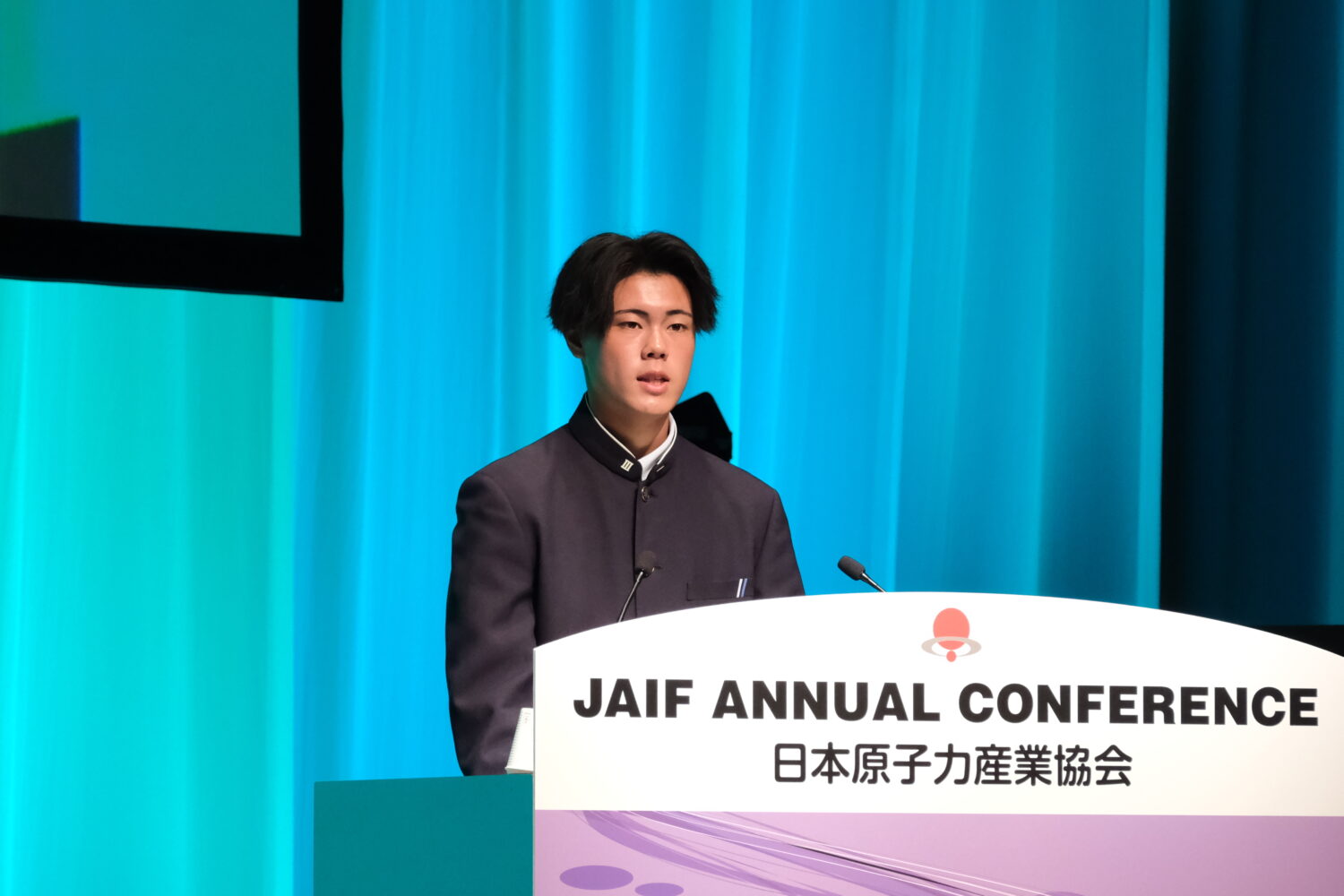
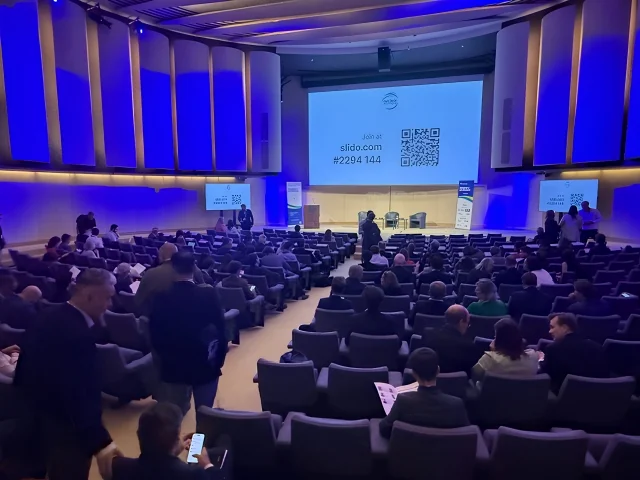
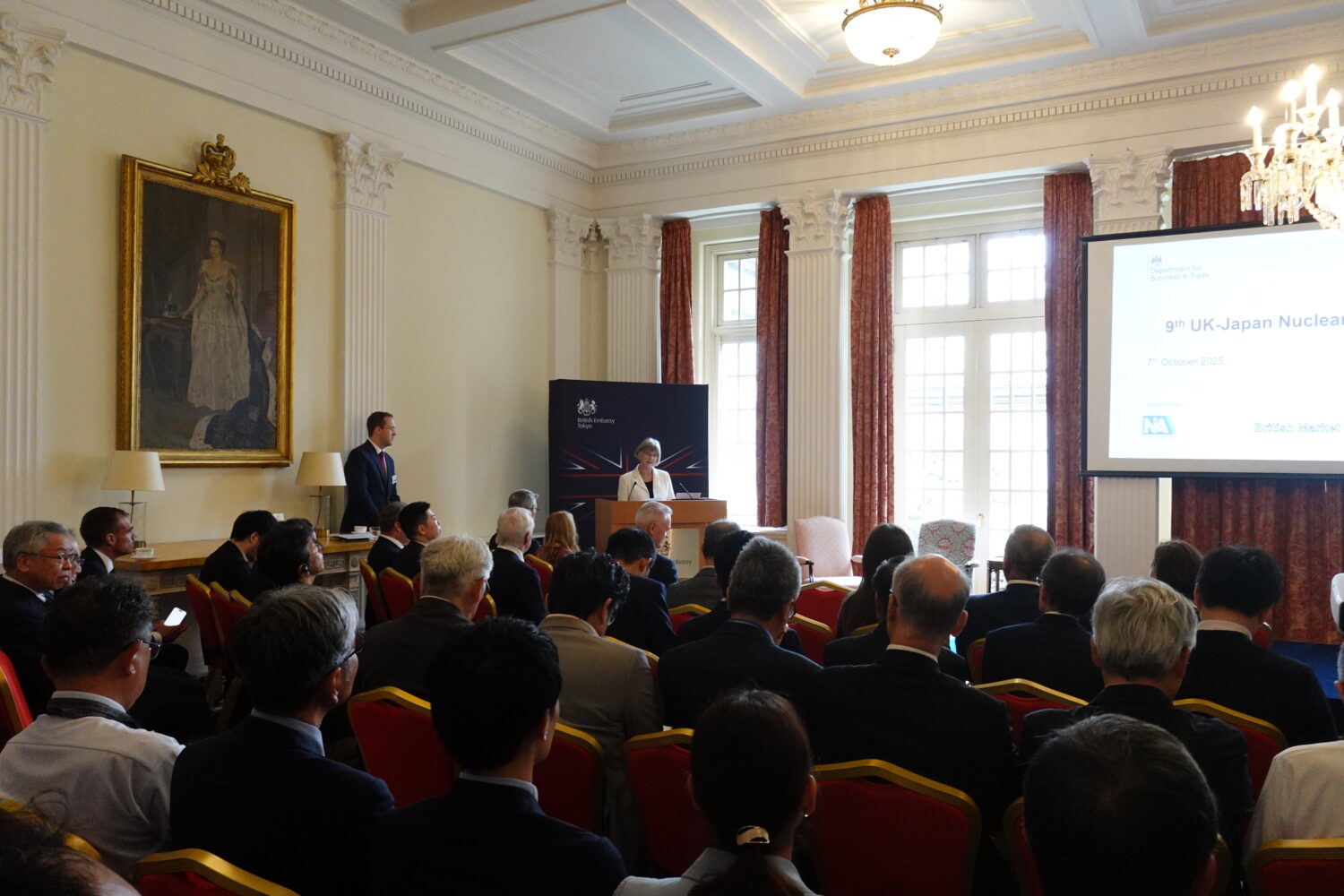
During the Q&A session with students in the latter half, numerous hands were raised from the audience. Questions reflected the concerns of younger generations, including the role of liberal arts students, psychological barriers to entering the nuclear field from other disciplines, and challenges faced by international students, such as nationality-related constraints.

In response, panelists emphasized that nuclear energy is an interdisciplinary field requiring not only engineering expertise but also knowledge from the social sciences. They also highlighted the importance of broadening societal understanding of nuclear energy as a foundation for attracting talent.

In his concluding remarks, Professor Kurosaki noted the increasing participation of younger generations and the shift in the atmosphere of discussions. He emphasized the need for the nuclear field to move beyond its traditionally “closed” nature and become more open to society. Restoring trust and fostering public understanding are essential prerequisites for workforce development, requiring a shift in mindset “from a closed nuclear community to broader society.”

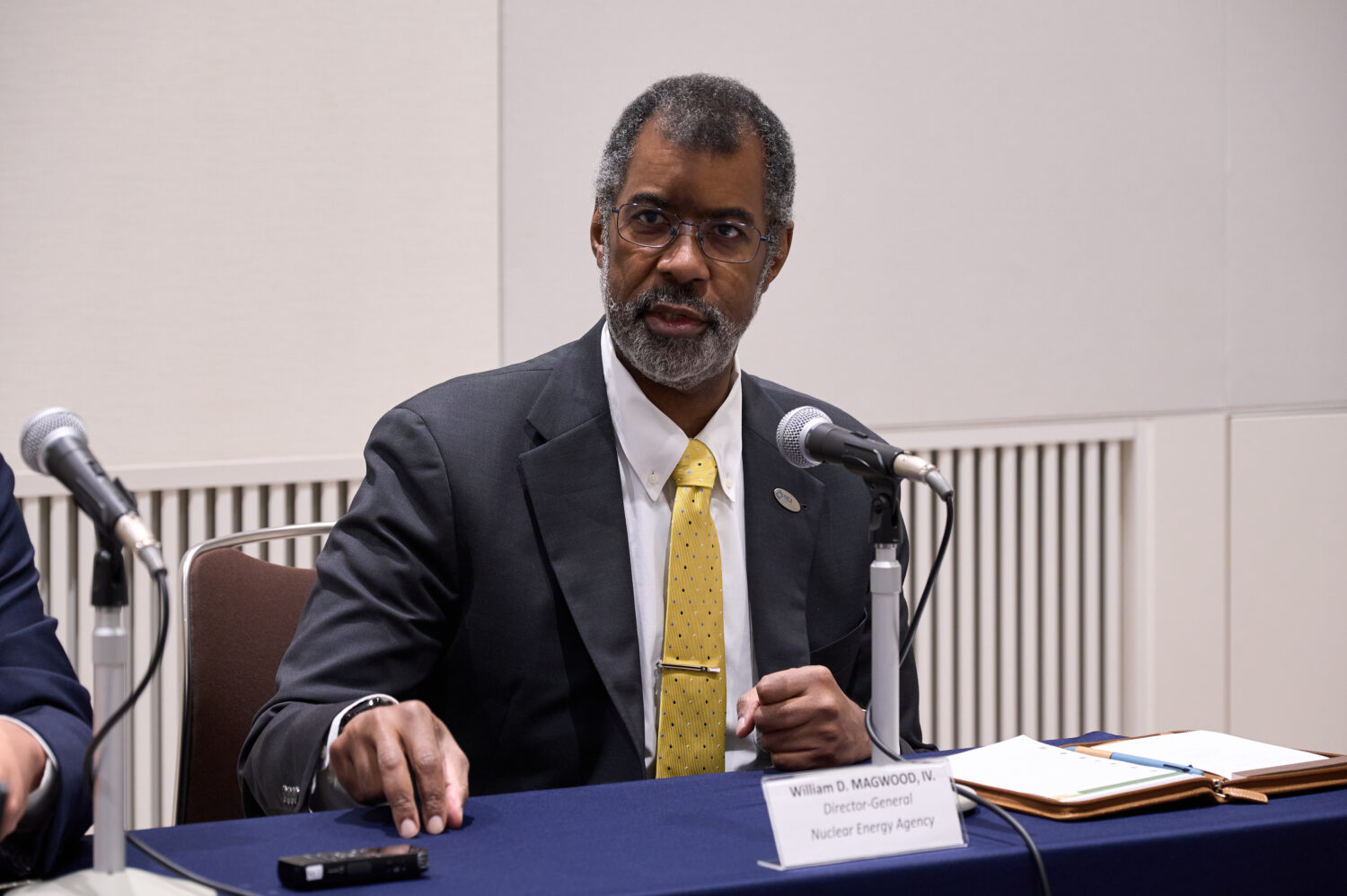
Finally, William D. MAGWOOD IV, NEA Direector General, reiterated that workforce shortages cannot be resolved in the short term and require sustained, long-term efforts. In addition to early-stage education, he stressed the importance of securing a diverse workforce that includes not only engineers but also professionals from the social sciences. He concluded by emphasizing the need for coordinated action among government, industry, and educational institutions.