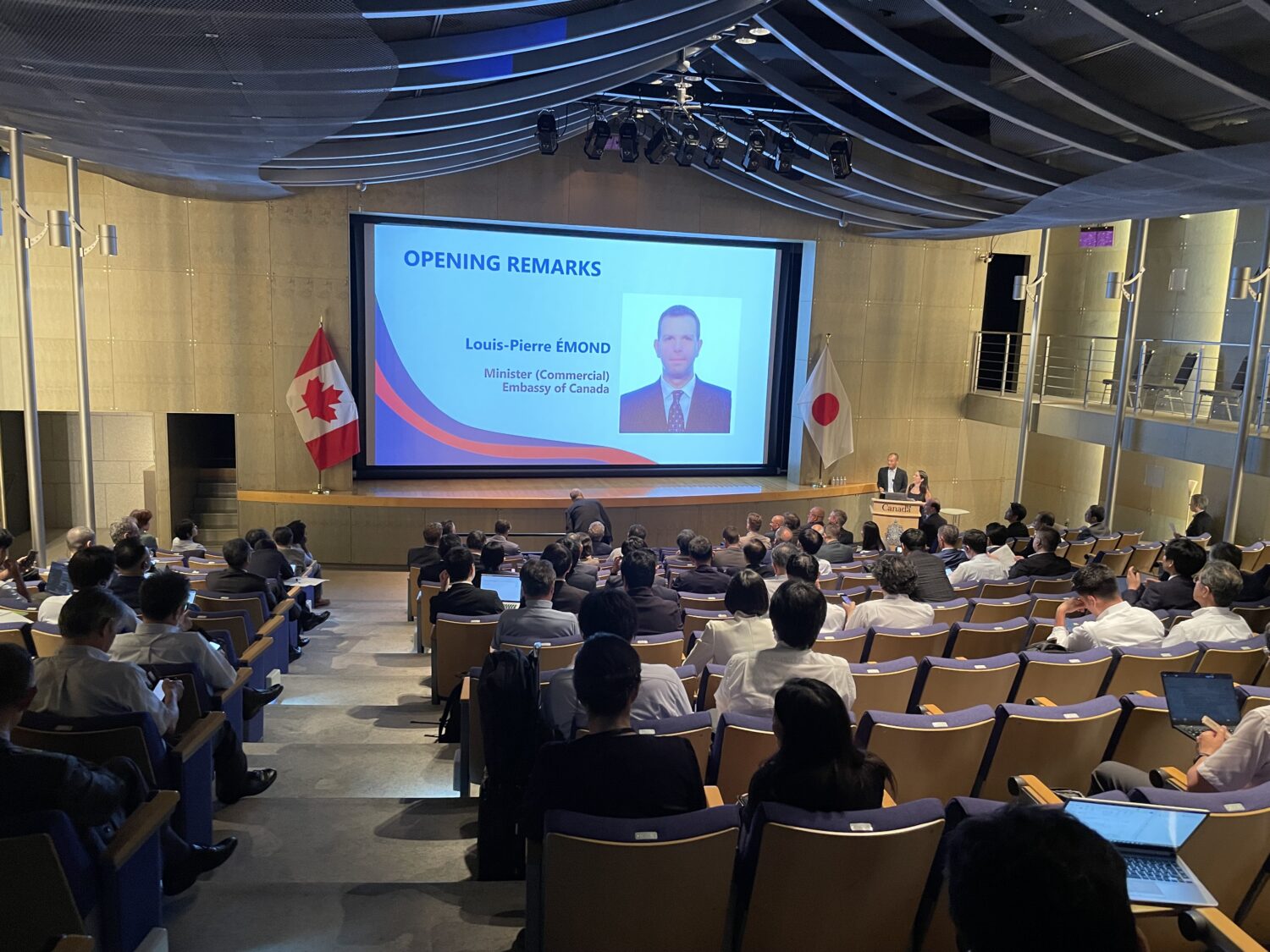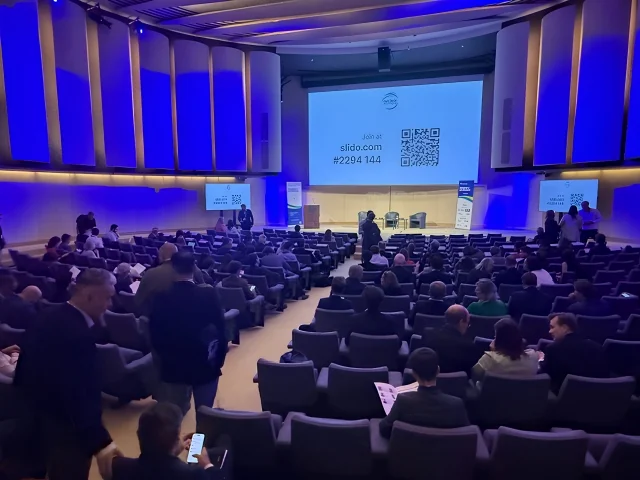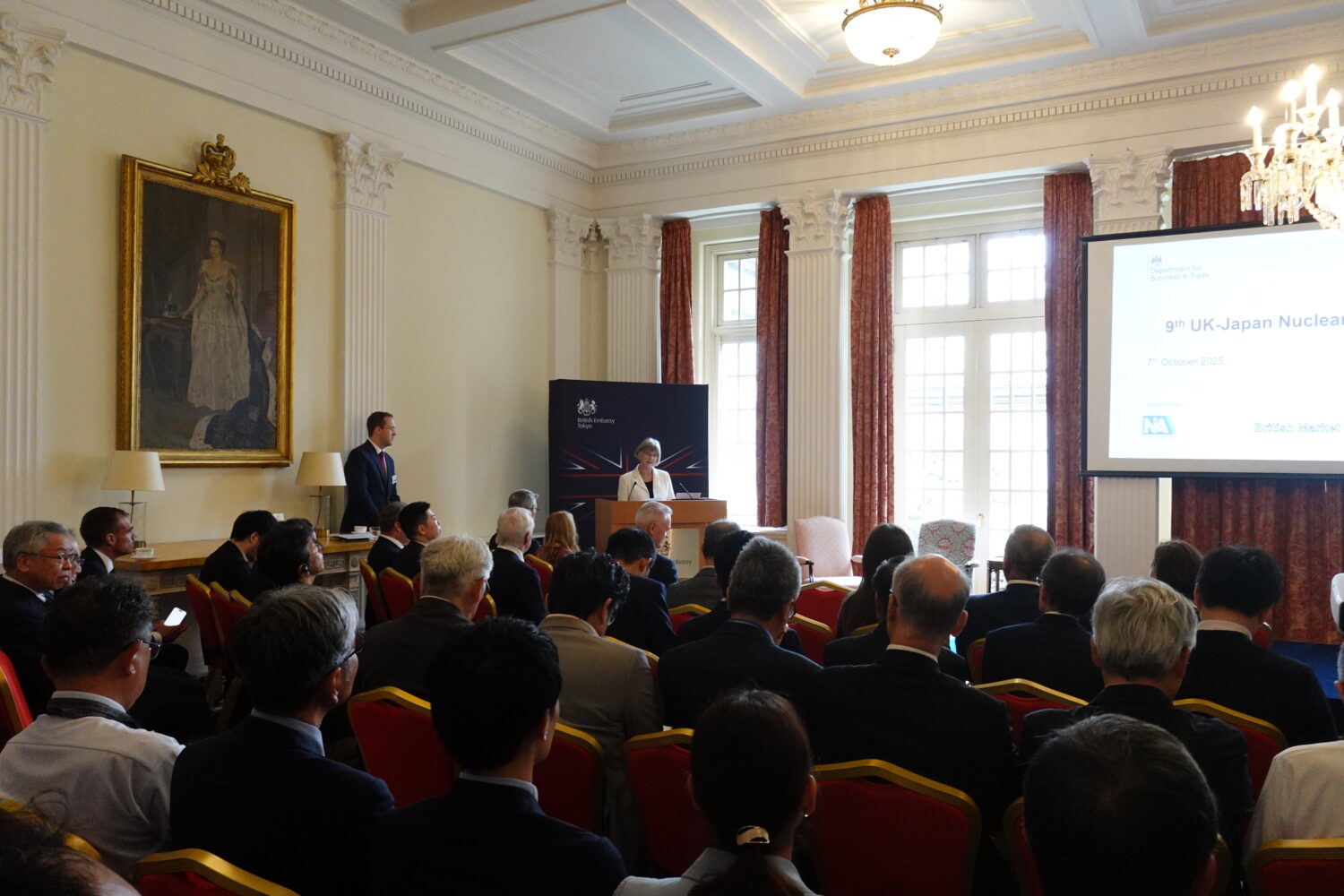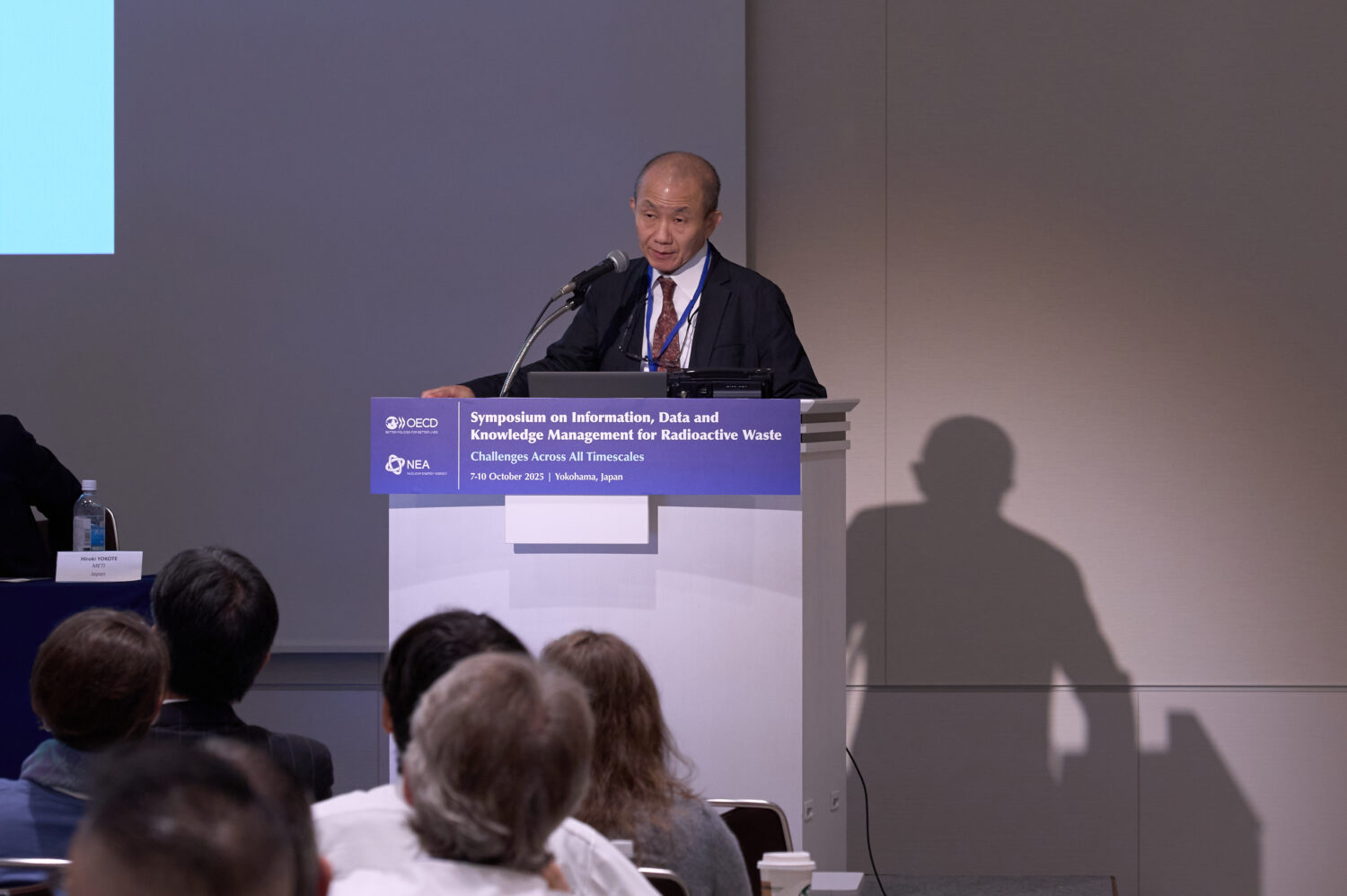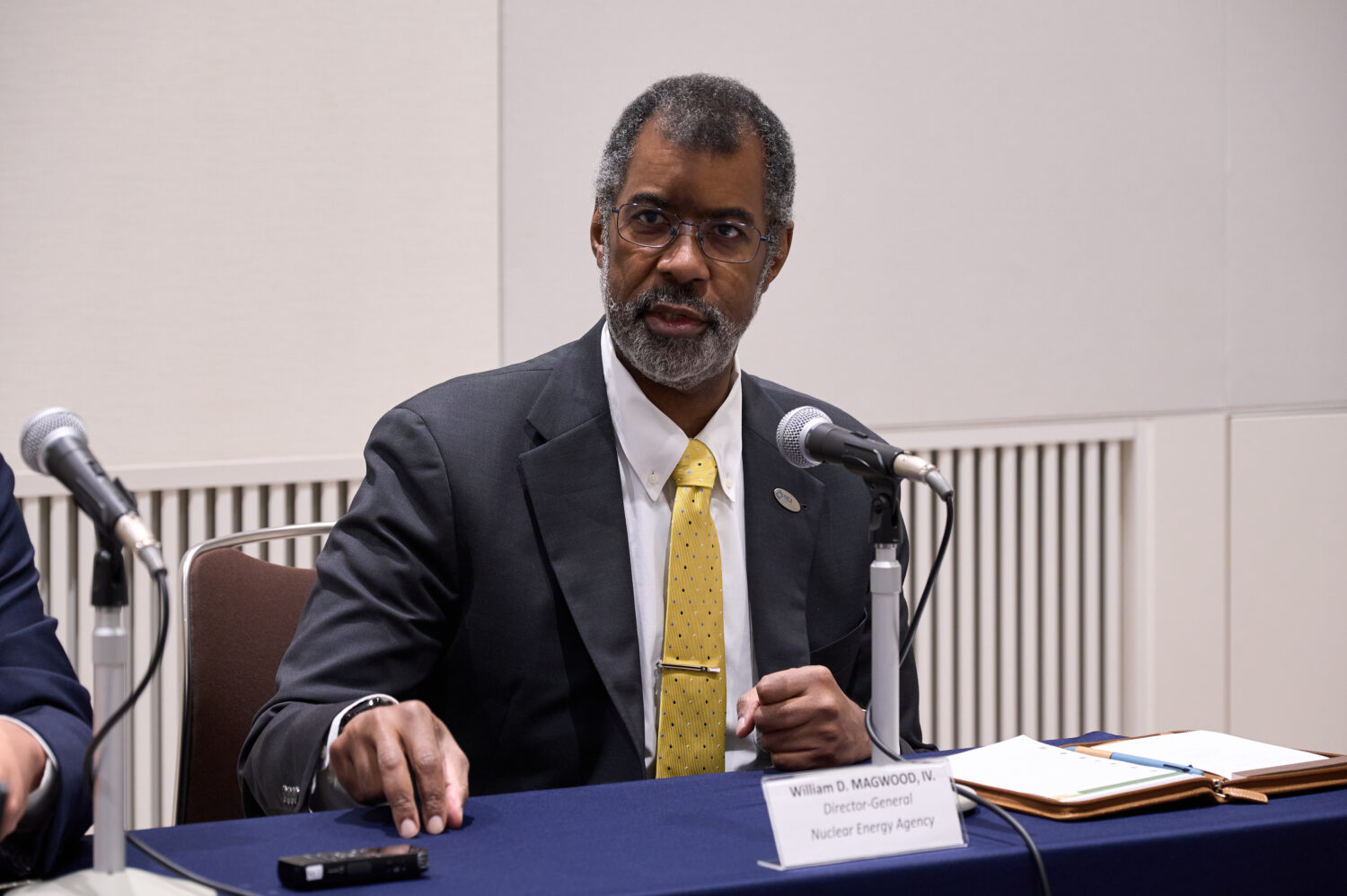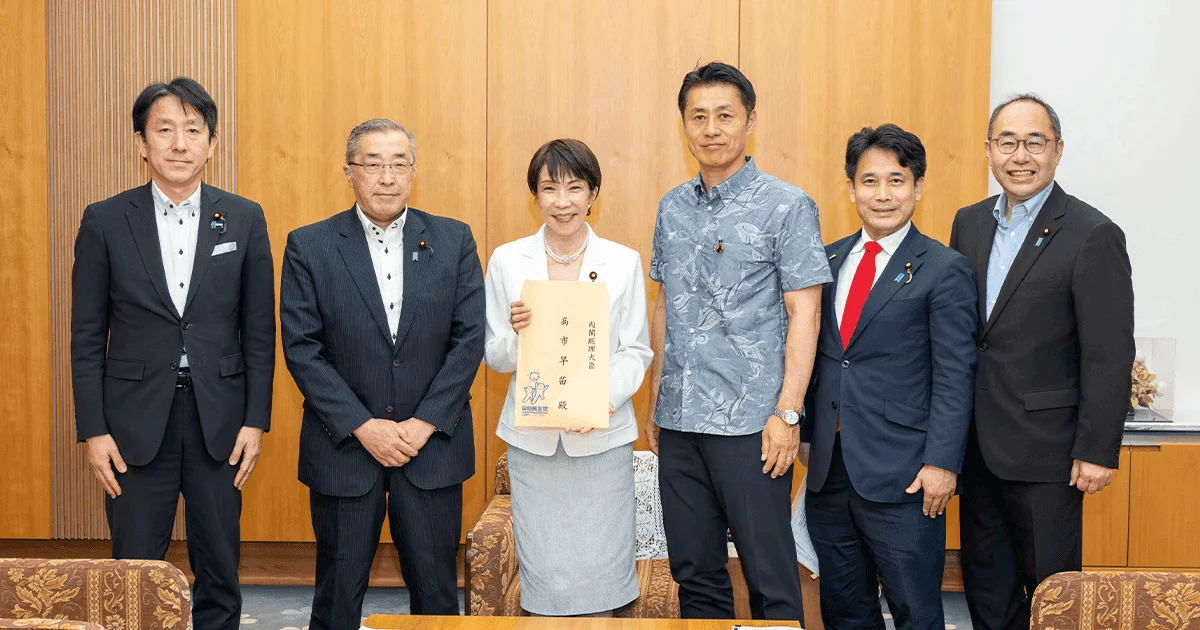

Participants from government, electric utilities, plant manufacturers, engineering companies, and IT firms discussed initiatives to strengthen the industrial foundation supporting nuclear power, including next-generation reactor development, supply chain resilience, and human resource development.

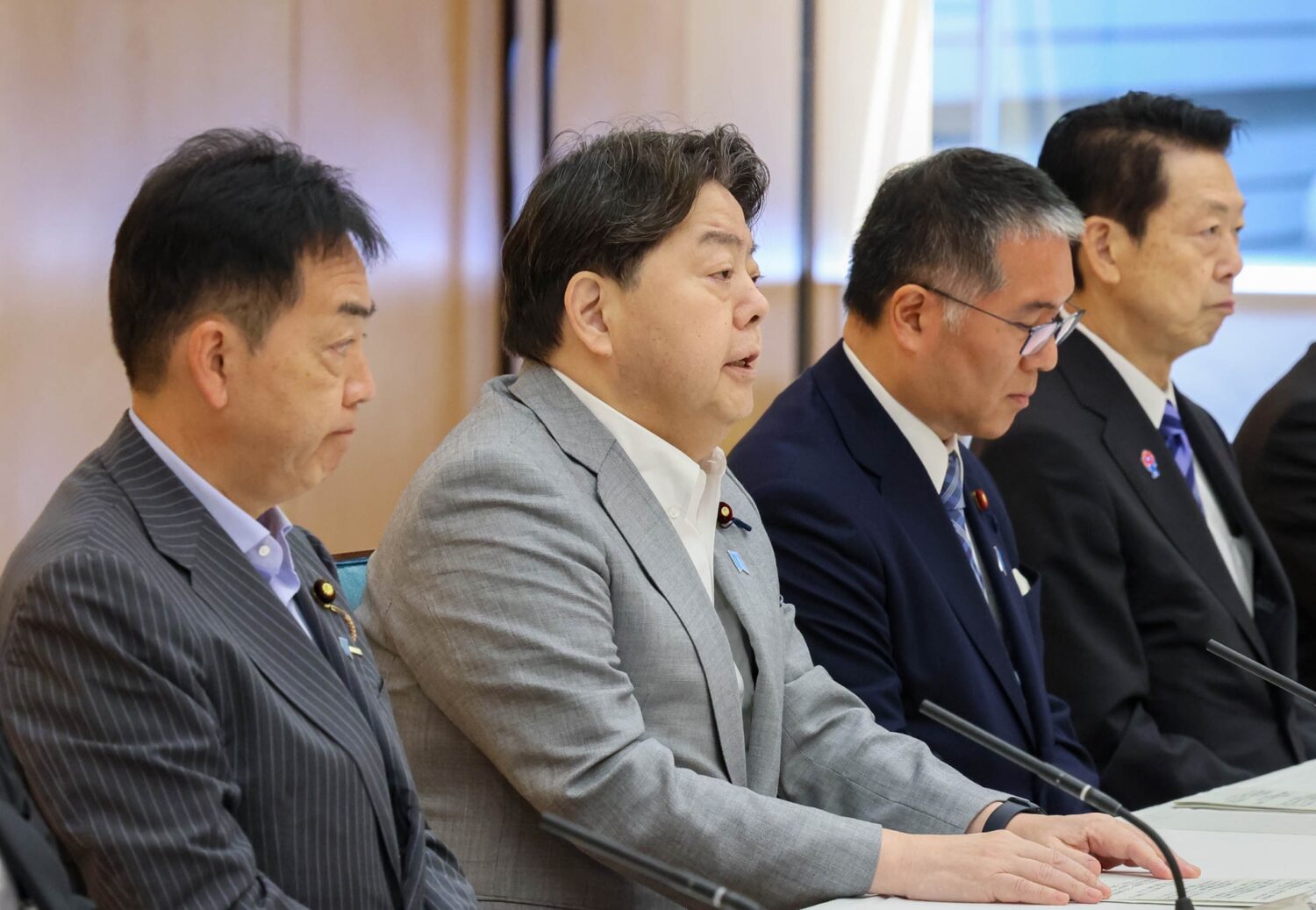
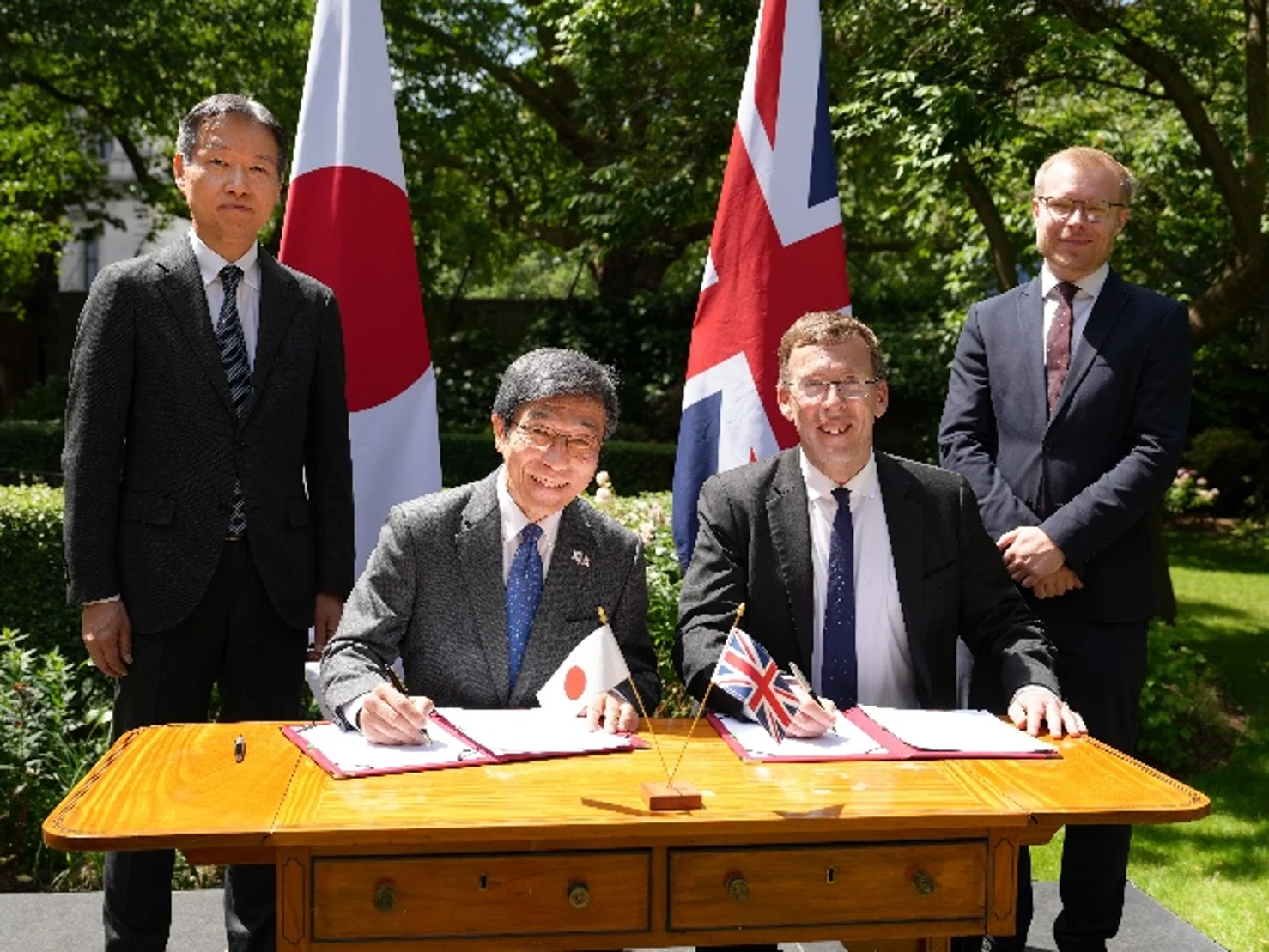
In his opening remarks, KOMORI Takuo, Parliamentary Vice-Minister of Economy, Trade and Industry, stated that “maximizing the use of power sources with high decarbonization benefits, including nuclear energy, is indispensable.” He reaffirmed the government’s policy of advancing restarts of existing reactors and promoting the development and construction of next-generation advanced reactors, while maintaining safety and gaining public understanding in host communities.
In a keynote speech, KUME Takashi, Director-General of the Electricity and Gas Industry Department at ANRE, also noted that electricity demand is expected to grow as data centers and the semiconductor industry expand. He reiterated the government’s outlook that nuclear power should account for around 20% of total electricity generation by fiscal 2040, emphasizing that achieving this target will require not only restarting existing reactors but also introducing next-generation reactors.
KITO Shunichi, Committee Chair on Energy and Resources of the Japan Business Federation (Keidanren) and Representative Director and Chairman of Idemitsu Kosan, stated that stable and affordable energy supplies will become increasingly important for economic growth as electricity demand rises with the spread of AI and digitalization.

He also introduced an estimate suggesting that maintaining a 20% nuclear share by 2050 would require roughly 40 reactors, indicating that alongside restarts of existing reactors, Japan will need to move forward with replacements and new construction using next-generation reactors.

Quint Simon, Head of Public Policy APAC at Amazon Web Services (AWS), also spoke at the symposium, noting that reliable power sources capable of providing electricity around the clock will become increasingly essential in the future, implicitly highlighting the role of nuclear power.

AWS aims to achieve net-zero emissions by 2040. The company has invested in more than 700 carbon-free energy projects in 28 countries, including 32 projects in Japan, with a combined generating capacity exceeding 40 GW.

In the nuclear field, AWS is participating in a project involving four SMRs totaling approximately 320 MW in Washington State, with operations targeted for the early 2030s. Simon also expressed the view that Japan’s high-quality precision manufacturing technologies will play an important role in global nuclear construction.

Next-Generation Reactor Development

A session on next-generation reactor development highlighted initiatives by major Japanese manufacturers.

Mitsubishi Heavy Industries (MHI) explained the development status of its next-generation advanced light water reactor SRZ-1200, reporting that basic design work has been largely completed.

Hitachi GE Vernova Nuclear Energy presented progress on the BWRX-300 SMR, noting that projects are moving forward overseas, including in Canada.

Toshiba Energy Systems & Solutions introduced the safety design of its advanced ABWR “iBR.”

Meanwhile, IHI and JGC Global outlined their participation in SMR projects led by the U.S.-based NuScale Power, while Mitsubishi Electric presented technologies supporting nuclear plants, including instrumentation and control systems.

Challenges for Supply Chains

During a panel session on supply chain strengthening, participants shared challenges related to maintaining Japan’s nuclear industrial base.

The Federation of Electric Power Companies (FEPC) noted the possibility that nuclear capacity could decline in the future and indicated that reactor replacements may become necessary in the 2040s.

The Atomic Energy Association (ATENA) introduced initiatives addressing discontinued components and promoting the adoption of online maintenance technologies.

Hitachi GE Vernova also explained its efforts in Commercial Grade Dedication (CGD)—a process for qualifying general industrial components for nuclear applications—as one measure to address potential supply disruptions.

Engineering firms also pointed to workforce shortages. Taihei Dengyo explained that the number of engineers with experience in nuclear plant construction has declined, emphasizing the importance of passing on technical expertise.

The Mitsubishi Research Institute introduced research on improving procedures for entering power plant sites using digital technologies such as AI, highlighting the potential for improving working environments.

Human Resource Development

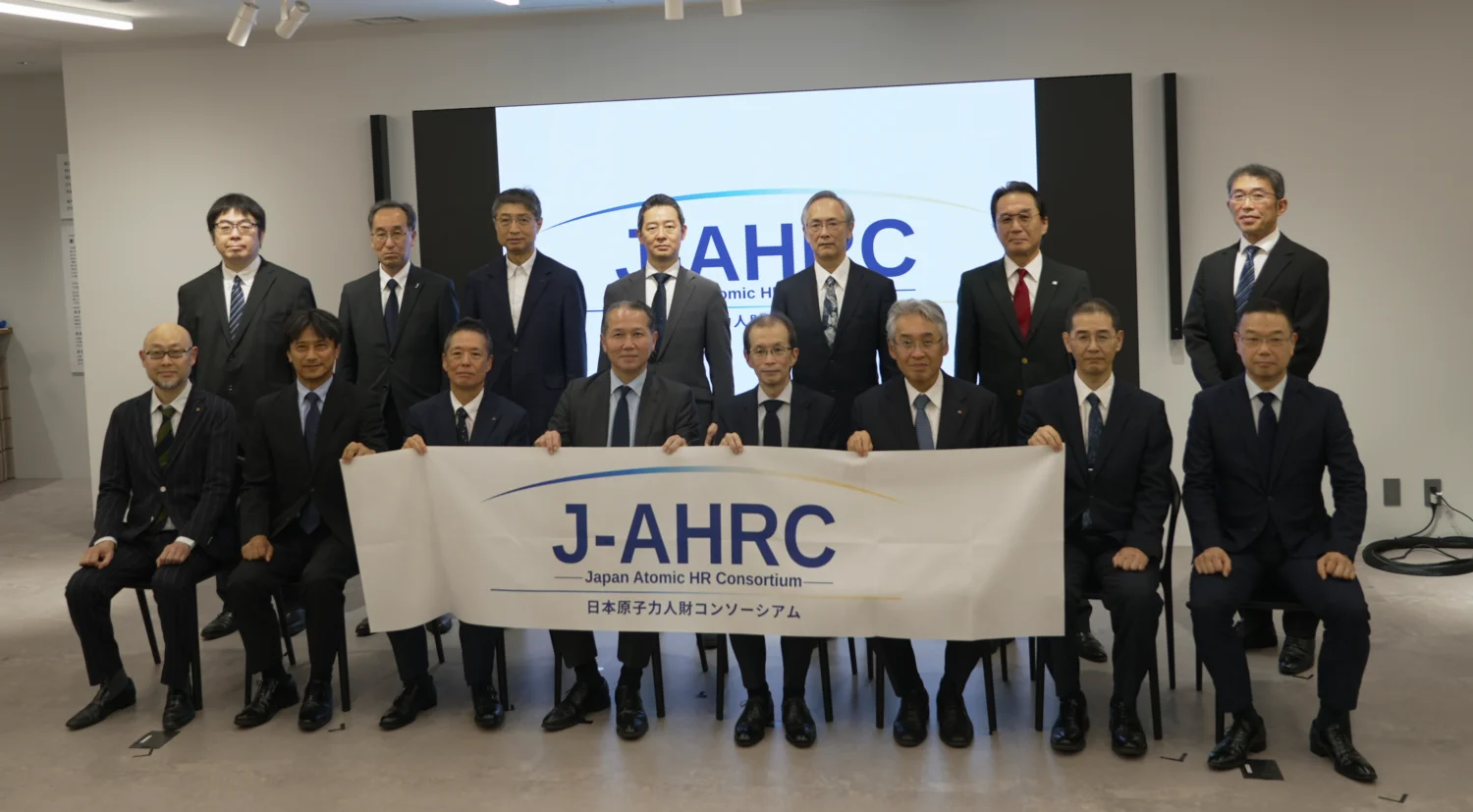
A separate session focused on human resource development, highlighting initiatives to secure talent through cooperation among industry, academia, and government.

METI explained that it has established a Nuclear Human Resource Development Council to promote collaborative policies across industry, universities, and government.

The Ministry of Education, Culture, Sports, Science and Technology (MEXT) introduced ANEC, an educational program linking universities, and noted that stronger cooperation with industry will become increasingly important.

The Nuclear Regulation Authority (NRA) also explained challenges in securing personnel for regulatory work, emphasizing the need for collaboration among industry, academia, and government.

Closing Remarks

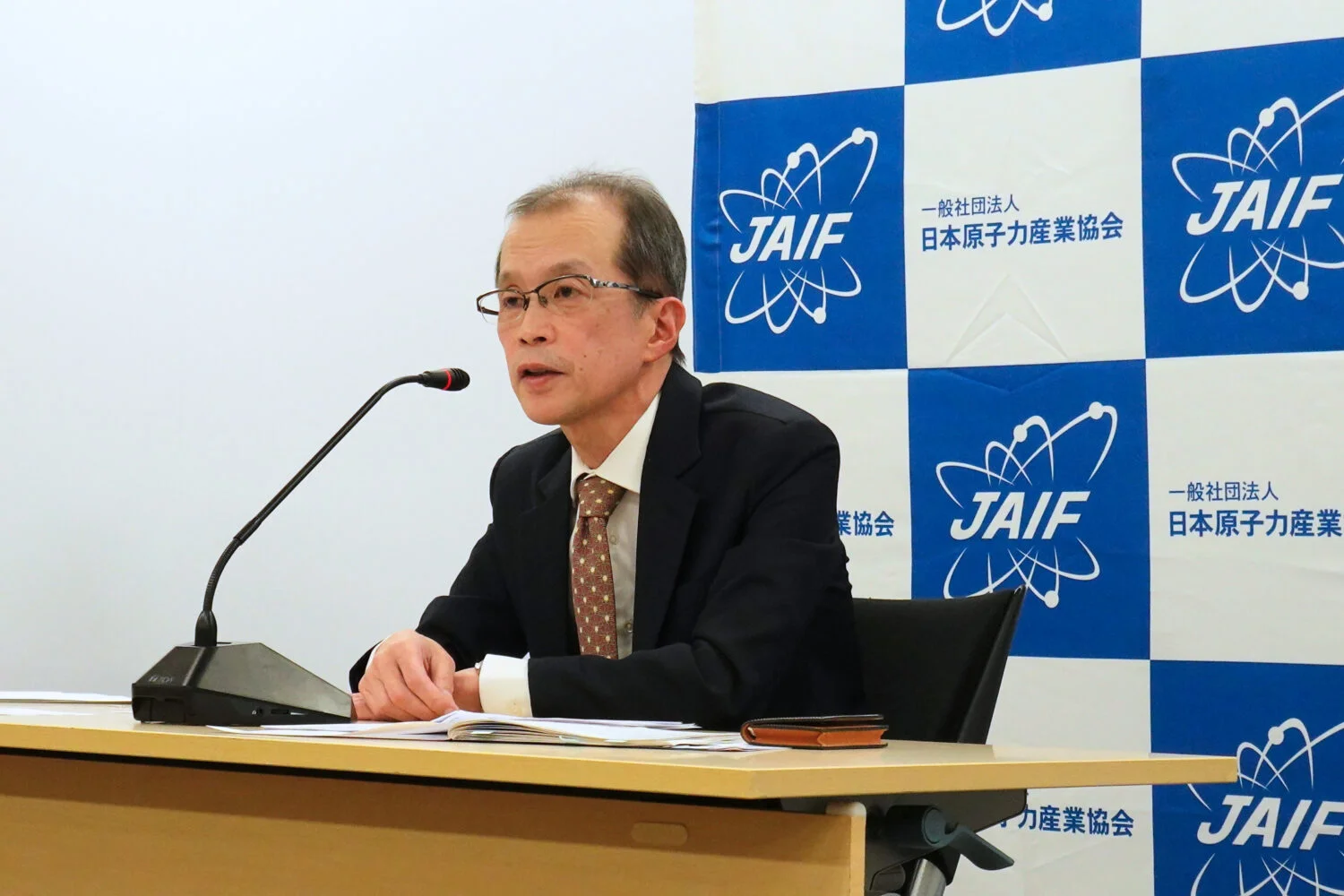
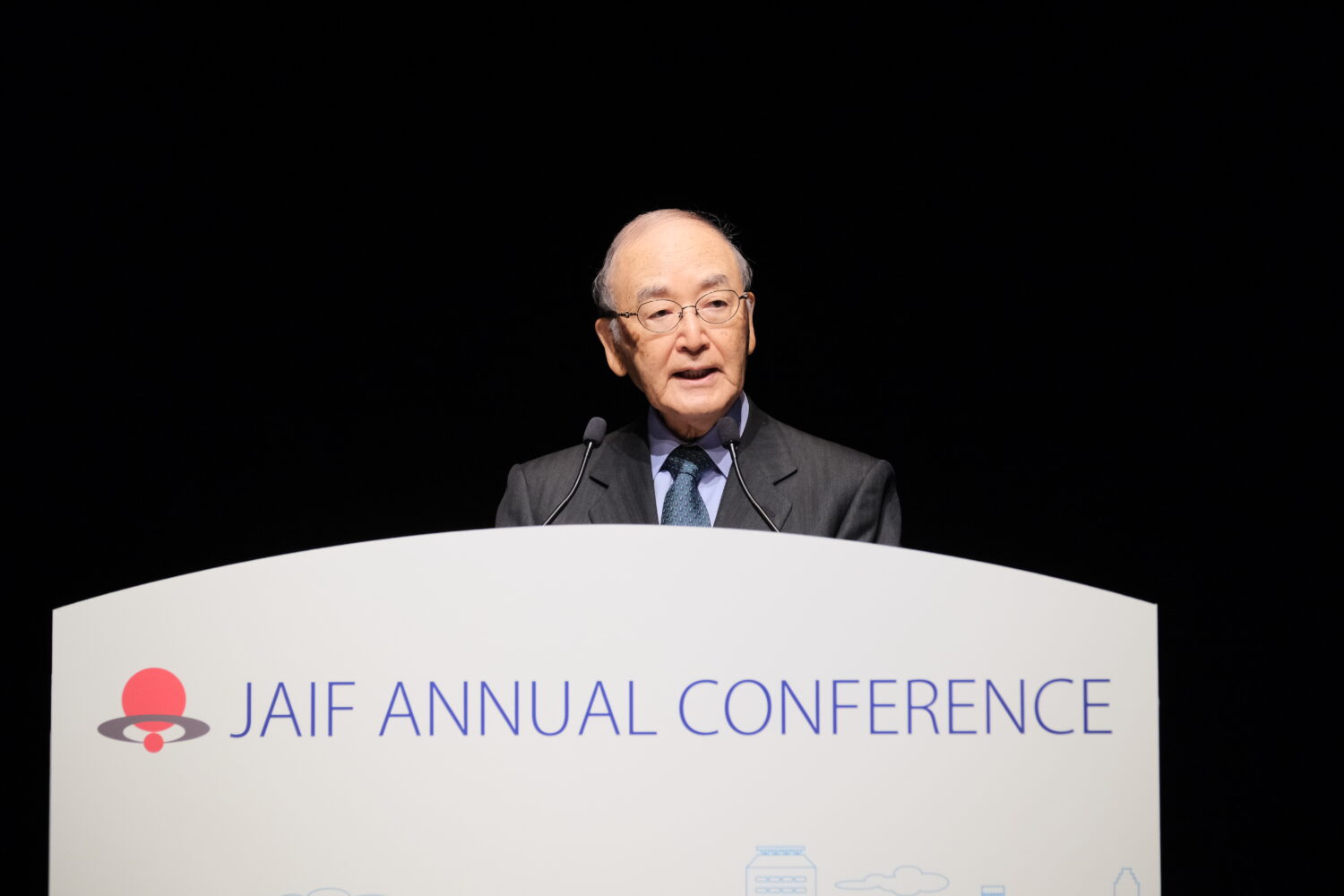
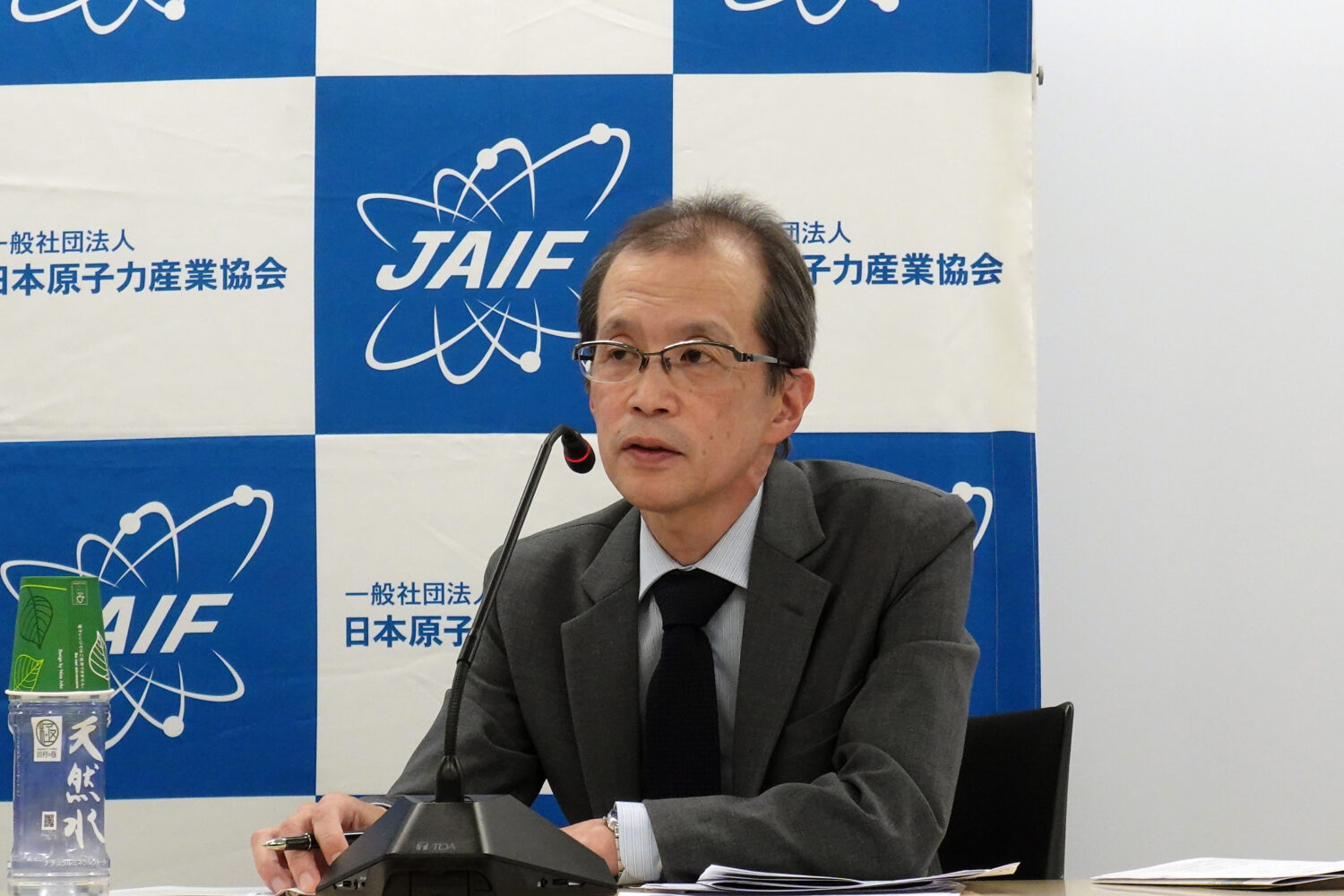
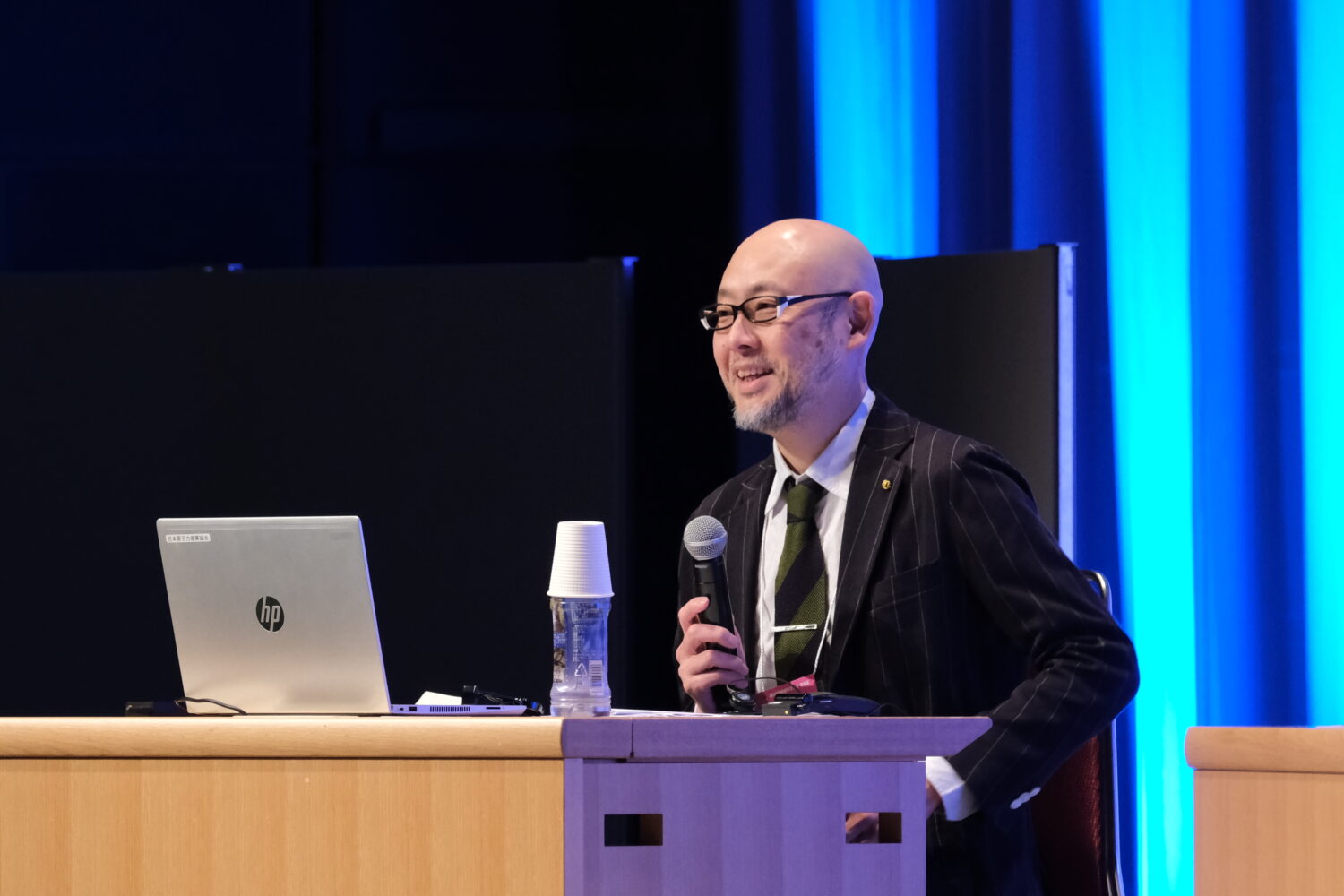
In closing remarks, MASUI Hideki, President of JAIF, pointed out that one year after the Cabinet approval of the Strategic Energy Plan, policy discussions on the development and deployment of next-generation reactors have begun to take more concrete shape.

He noted that progress is being made in various areas, including discussions on improving the business environment necessary to enable investment decisions, dialogue with regulatory authorities, and moves by electric utilities to consider reactor replacements.

Masui also highlighted that the symposium demonstrated growing expectations for nuclear energy from both the business community and IT companies. He added that progress in next-generation reactor development and participation in overseas projects will be important for sustaining Japan’s domestic nuclear supply chain.

He stressed that maintaining and strengthening the nuclear supply chain requires presenting a clear outlook for the future scale of nuclear power generation and construction plans.

Masui concluded that securing and developing human resources is a fundamental pillar supporting the maximum utilization of nuclear power, and that industry, educational institutions, and government must work together to address this challenge.

The discussions highlighted that the future of nuclear energy will depend not only on reactor technologies themselves but also on the industrial base that supports them. Maintaining a robust supply chain—from manufacturing and engineering to digital technologies and skilled personnel—will be essential as countries move toward deploying next-generation reactors.

Japan’s strengths in precision manufacturing and quality control position it to play a key role in the global nuclear supply chain. As policy discussions on reactor replacement and new construction move forward, closer alignment between government policy and industrial capabilities could open a new phase of development for Japan’s nuclear sector.